
Choosing a bottle for dinner should not feel like an exam.
The easiest food and wine pairings usually start with a few simple ideas: acidity refreshes rich food, fruit can complement savory flavors, salt makes many wines feel softer, and the intensity of the drink should make sense beside the intensity of the dish.
That still leaves plenty of room to experiment.
For this MyDrinx pairing guide, we selected five bottles that can take you from the first aperitif to seafood, meat, cheese and even dessert:
-
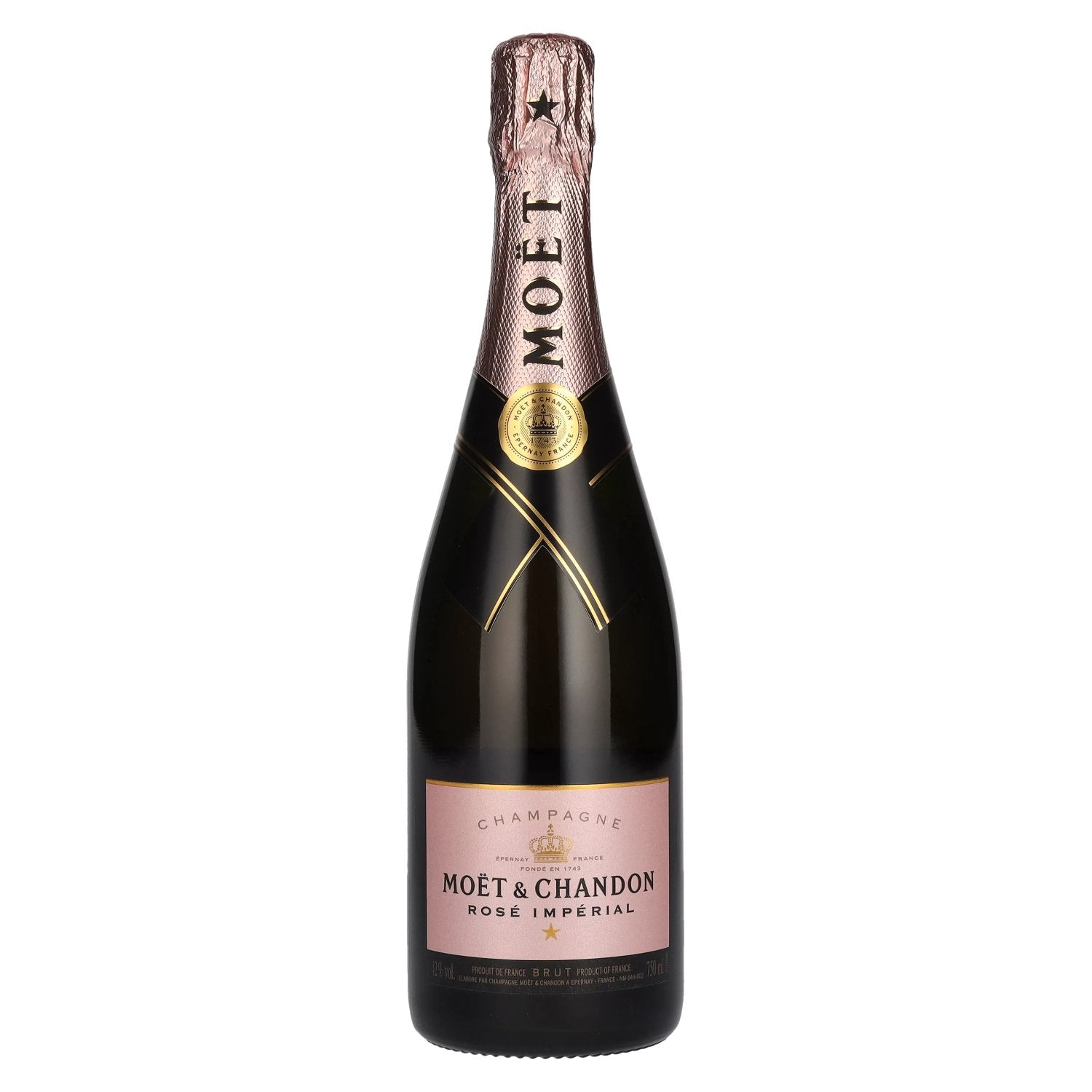
Moët & Chandon Rosé Impérial Brut Champagne
-
Lillet Rosé
-
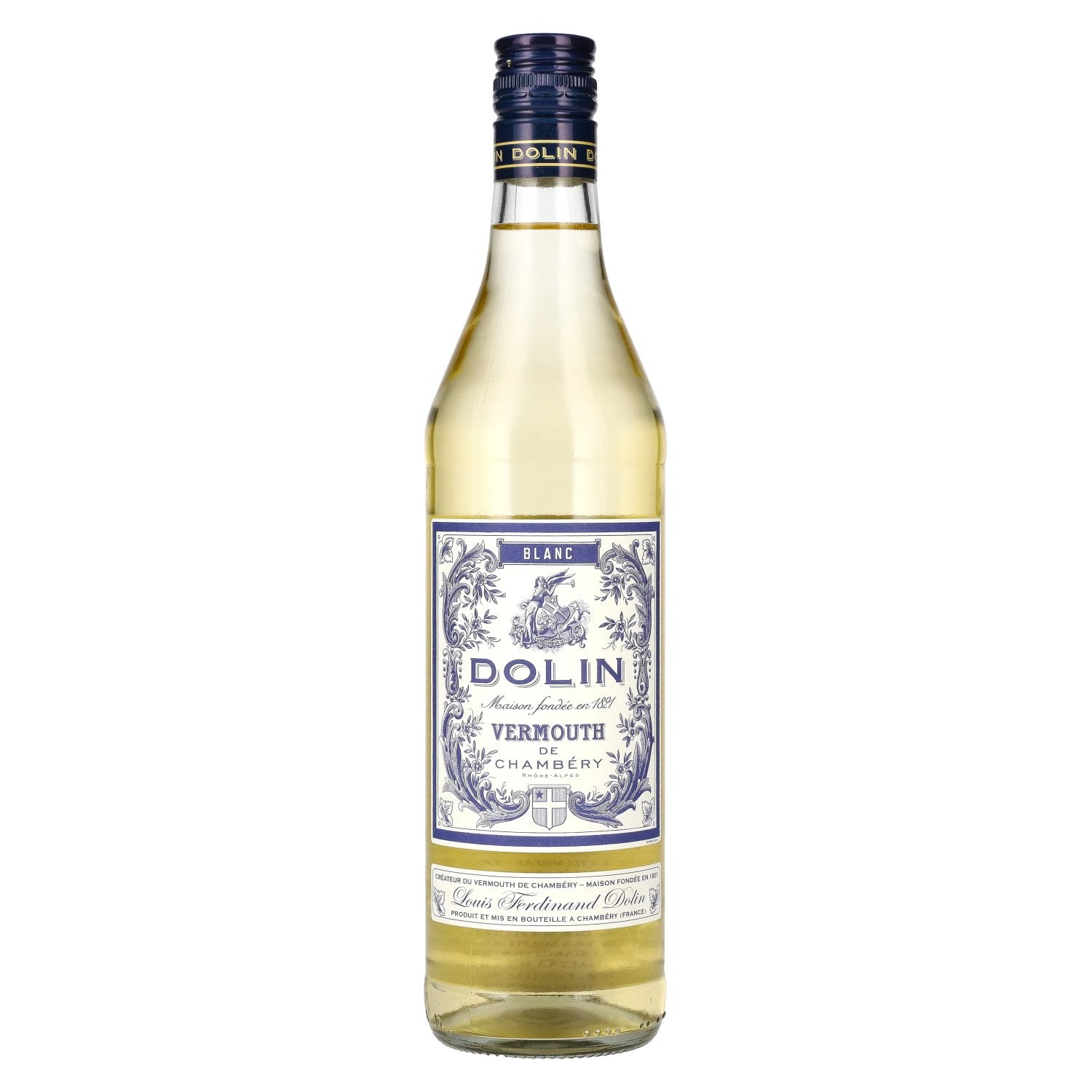
Dolin Vermouth de Chambéry Blanc
-
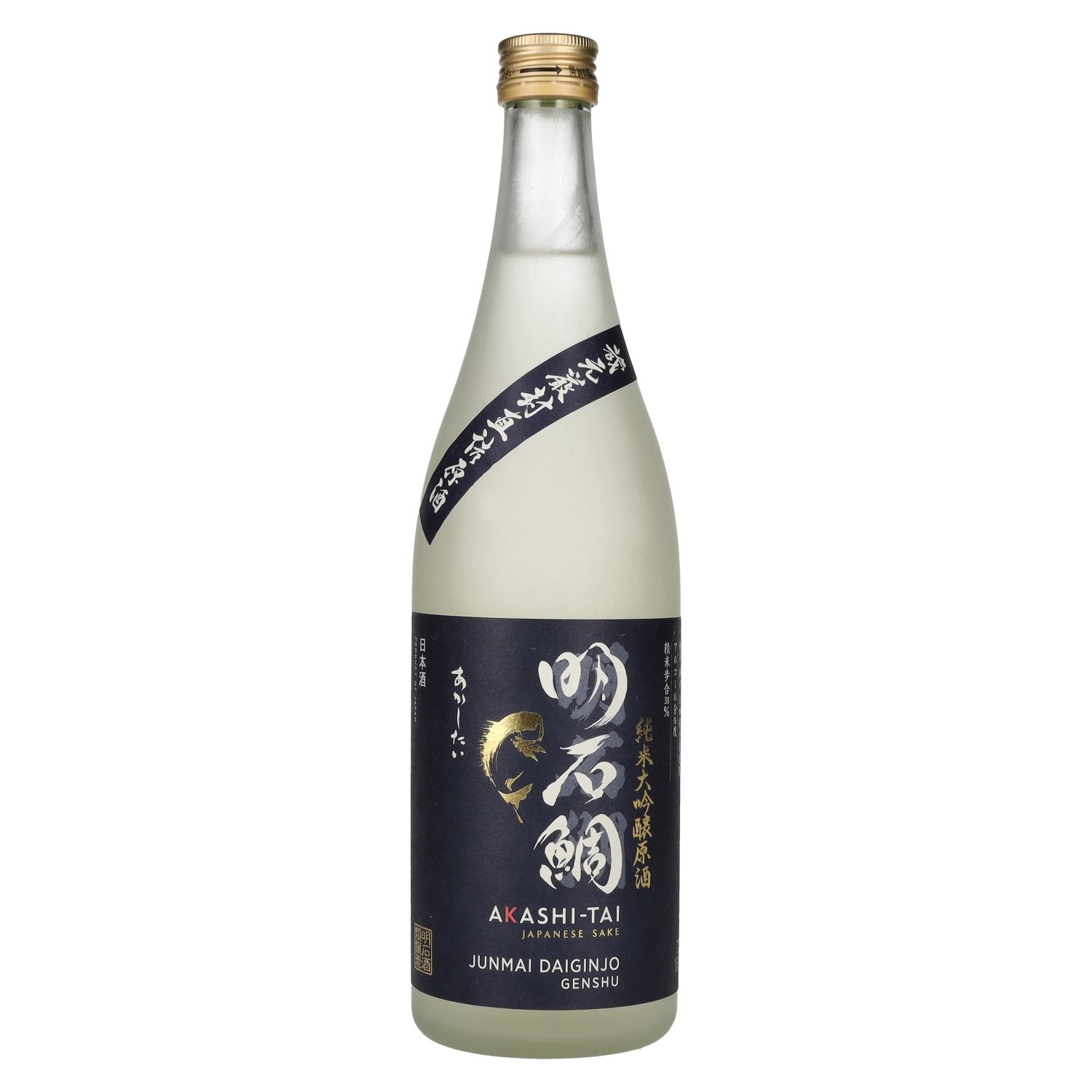
Akashi-Tai Junmai Daiginjo Genshu Japanese Sake
-
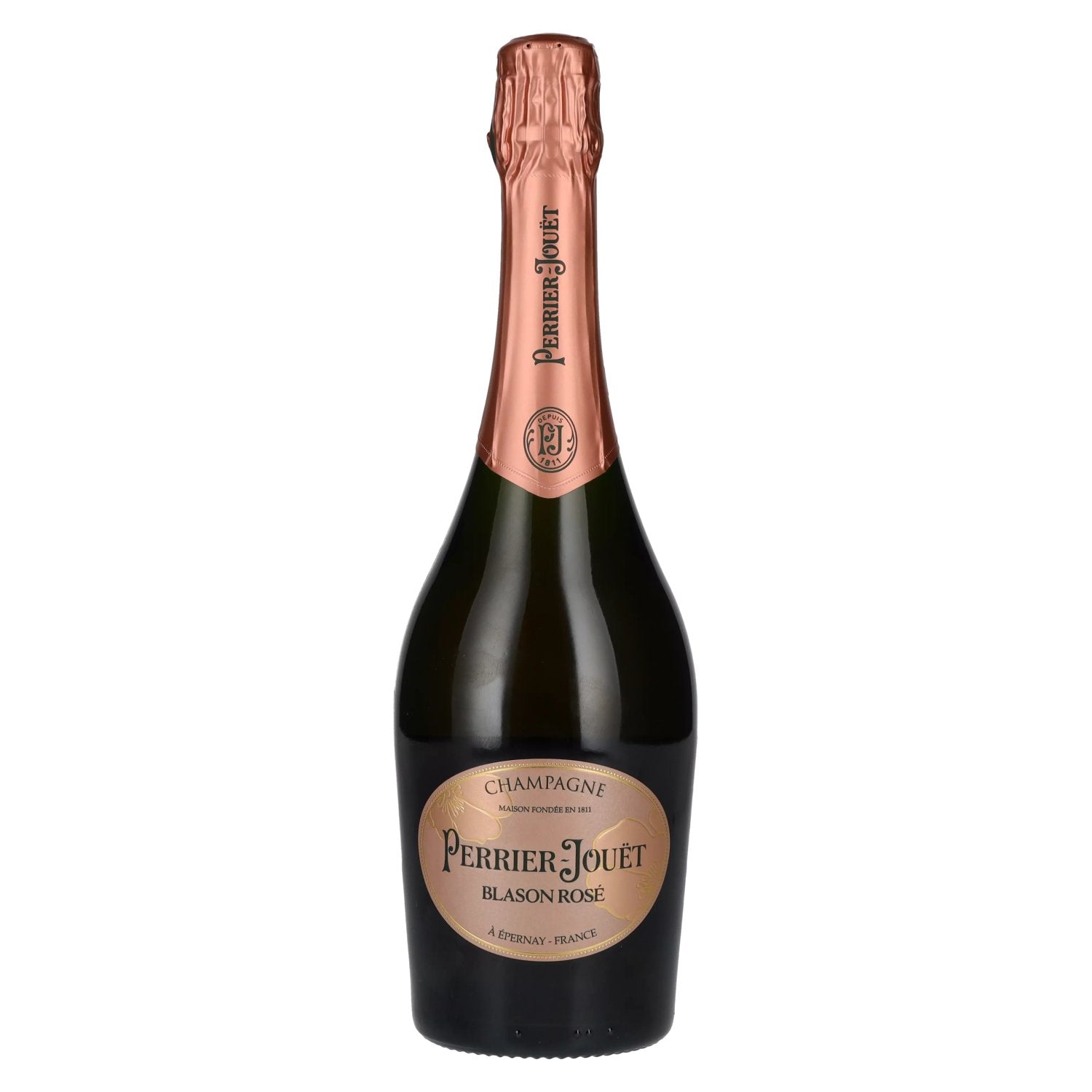
Perrier-Jouët Blason Rosé Brut Champagne
Not every bottle here is technically wine in the same sense. Lillet and Dolin are wine-based aperitifs, while Akashi-Tai is premium Japanese sake.
But around a dinner table, that variety is exactly the point.
Quick Pairing Guide
| Bottle | Style | Main Flavor Direction | Best Table Role |
|---|---|---|---|
| Moët & Chandon Rosé Impérial | Brut Rosé Champagne | Strawberry, raspberry, cherry, peach, pepper | Red meat, duck, seafood |
| Lillet Rosé | French wine aperitif | Red fruit, grapefruit, orange blossom | Aperitif, soft cheese, light starters |
| Dolin Vermouth de Chambéry Blanc | White vermouth | Alpine herbs, citrus, elderflower, almond, peach | Cheese board, aperitif |
| Akashi-Tai Junmai Daiginjo Genshu | Premium Japanese sake | Melon, citrus, herbs, mineral freshness | Seafood, sashimi, white fish |
| Perrier-Jouët Blason Rosé | Gastronomic Rosé Champagne | Red and black fruit, pomegranate, peach | Meat, tuna, cheese, dessert |
The simplest way to remember it:
Meat → Moët Rosé Impérial or Perrier-Jouët Blason Rosé
Seafood → Akashi-Tai Junmai Daiginjo
Cheese → Dolin Blanc or Lillet Rosé
Dessert → Perrier-Jouët Blason Rosé
How to Make Food and Wine Pairing Easier
You do not need to memorize hundreds of rules.
A few basic principles cover most dinner-table decisions.
Rich Food Likes Freshness
Fatty or creamy food can coat the palate.
A drink with good acidity or lively carbonation refreshes the mouth between bites, which is one reason Champagne can work surprisingly well beyond appetizers.
Salt Is Usually Wine-Friendly
Cheese, charcuterie and many seafood dishes contain plenty of salt.
Salt can soften the perception of bitterness and acidity in a drink, making wine feel rounder and fruitier.
Match Flavor Intensity
A delicate drink can disappear beside a heavily roasted or highly spiced dish.
Likewise, a powerful bottle may overwhelm very subtle seafood.
Look for balance rather than an abstract idea of the “perfect” pairing.
Dessert Needs Special Attention
Sweet food can make a dry wine seem sharper and less fruity.
That is why dessert pairings are often harder than meat or seafood pairings.
Fortunately, some structured rosé Champagnes are specifically designed with enough fruit and generosity to cross into dessert territory.
1. Moët & Chandon Rosé Impérial: A Rosé Champagne for Meat and Savory Dishes
Moët & Chandon Rosé Impérial Brut 12% 0.75L proves that Champagne does not have to stop when the appetizers leave the table.
Its blend combines Pinot Noir, Meunier and Chardonnay, with Pinot Noir providing much of its intensity and structure.
The aromatic profile moves through:
wild strawberry + raspberry + cherry + rose petals + peach + pepper
On the palate, vivid red fruit is balanced by freshness and a subtle peppery, almost mint-like finish.
Best Pairing: Red Meat
Moët itself recommends Rosé Impérial with raw or lightly grilled red meat.
That makes it a useful alternative when you want something more refreshing than a conventional red wine.
Try it with:
-
beef carpaccio;
-
rare steak;
-
grilled veal;
-
duck breast;
-
roast duck with red-berry sauce.
One particularly natural pairing is duck with raspberry or redcurrant.
The fruit in the dish echoes the Champagne's red-berry character without making the combination feel heavy.
Also Excellent with Seafood
Rosé Impérial can also move toward the sea.
Think:
-
grilled rock fish;
-
shellfish bisque;
-
lightly grilled tuna;
-
richer seafood dishes.
The key is avoiding excessively sharp vinegar or aggressive lemon that could dominate the Champagne.
What Not to Pair with It
Moët specifically does not position Rosé Impérial as a dessert Champagne.
So even though the wine is intensely fruity, save the cake for another bottle in this guide.
Who Should Choose Moët Rosé Impérial?
Choose it if you want:
-
Champagne that can continue into the main course;
-
a rosé style with real structure;
-
red-fruit character;
-
something for duck or lightly grilled meat;
-
a bottle that works for both celebration and dinner.
Move Champagne beyond the toast. Moët & Chandon Rosé Impérial brings vibrant red fruit, structure and freshness to meat, duck and richer seafood dishes.
Shop Moët & Chandon Rosé Impérial Brut 0.75L at MyDrinx
2. Lillet Rosé: A Fresh French Aperitif for Light Cheese and Starters
Lillet Rosé 17% 0.75L occupies a different place at the table.
It is not conventional rosé wine.
Lillet Rosé is a French wine-based aperitif made with selected wines and fruit and botanical infusions.
Its aromatic direction includes:
red fruit + orange blossom + grapefruit + citrus
The palate is fresh, lively and fruity, with light acidity and a long aromatic finish.
That makes Lillet particularly useful before dinner, when the food is lighter and the goal is to wake up the palate rather than compete with the main course.
Best Pairing: A Light Cheese Board
For Lillet Rosé, think freshness rather than powerful aged cheese.
Good options include:
-
fresh goat cheese;
-
chèvre;
-
young Brie;
-
burrata;
-
mild creamy cheeses;
-
ricotta crostini.
The grapefruit and citrus character provides contrast to creamy textures, while the red-fruit notes work naturally with accompaniments such as strawberries or fresh figs.
Build a Simple Aperitif Board
Try Lillet Rosé alongside:
-
soft cheese;
-
grapes;
-
strawberries;
-
toasted almonds;
-
crackers;
-
prosciutto;
-
citrus-marinated olives.
This is a much more natural role for Lillet than serving it beside a heavy steak.
How to Serve Lillet Rosé
A classic, easy serve is:
-
50 ml Lillet Rosé
-
100 ml tonic
-
plenty of ice
-
grapefruit slice
Serve it before the meal or alongside light appetizers.
Who Should Choose Lillet Rosé?
Choose it if you want:
-
a French aperitif;
-
a lower-intensity start to dinner;
-
grapefruit and red-fruit character;
-
something for soft cheese and finger food;
-
an easy spritz-style serve.
Start the table on a lighter note. Lillet Rosé brings grapefruit, red fruit and floral freshness to aperitif boards, soft cheese and relaxed pre-dinner drinks.
Shop Lillet Rosé 17% 0.75L at MyDrinx
3. Dolin Vermouth de Chambéry Blanc: Alpine Botanicals for the Cheese Board
Dolin Vermouth de Chambéry Blanc 16% 0.75L is one of the most distinctive bottles in this guide.
Dolin traces the white style of Vermouth de Chambéry back to Savoie, and its Blanc expression uses a broad palette of plants and spices.
The official aromatic profile includes:
Alpine botanicals + citrus + elderflower + fresh almond + peach
Dolin Blanc is sweeter and more aromatic than a dry vermouth, with a silky texture and pronounced botanical character.
Best Pairing: Cheese
A cheese board gives Dolin's herbs, floral aromas and gentle sweetness plenty to work with.
Try it with:
-
Comté;
-
Gruyère;
-
young Alpine cheese;
-
creamy goat cheese;
-
Brie;
-
mild washed-rind cheese.
Nutty cheeses are particularly interesting because Dolin Blanc itself shows a fresh-almond note.
A small amount of fruit also helps:
-
pear;
-
peach;
-
green grapes;
-
apricot.
Why Vermouth Works at the Table
Vermouth is often treated only as a cocktail ingredient.
That misses part of its appeal.
Wine provides the foundation, while botanicals add another layer of aroma — something that can be especially useful around cheese, herbs and savory appetizers.
Serve Dolin Blanc:
-
chilled;
-
on the rocks;
-
with a citrus twist;
-
or lengthened with soda for a lighter aperitif.
A Simple Cheese-Board Formula
Build a plate with:
Comté + goat cheese + almonds + pear + crackers
and pour Dolin Blanc over ice.
You get salt, fat, fruit and botanicals without needing a complicated recipe.
Who Should Choose Dolin Blanc?
Choose it if you want:
-
a classic French vermouth;
-
Alpine botanical character;
-
something for cheese and aperitif food;
-
almond, peach and elderflower notes;
-
a bottle that also works in cocktails.
Give the cheese board a French Alpine accent. Dolin Vermouth de Chambéry Blanc combines herbs, elderflower, almond and peach in a silky aperitif made for slow pre-dinner drinking.
Shop Dolin Vermouth de Chambéry Blanc 0.75L at MyDrinx
4. Akashi-Tai Junmai Daiginjo Genshu: The Seafood Bottle
Akashi-Tai Junmai Daiginjo Genshu Japanese Sake 16% 0.72L is the bottle to reach for when seafood takes center stage.
Made from prized Yamadanishiki rice from Hyogo, the rice is polished until only 38% of the grain remains.
The result is an elegant Junmai Daiginjo Genshu with a profile built around:
melon + lemon + bitter orange + herbs + mineral freshness
Akashi-Tai describes the sake as balanced enough to drink through a meal, not simply as a ceremonial pour.
Best Pairing: Seafood
This is where the bottle shines.
The brewery specifically recommends pairings such as:
-
tuna tartare;
-
sea bream;
-
white fish;
-
seafood carpaccio;
-
octopus;
-
calamari.
The clean citrus and mineral character works particularly well with raw or lightly prepared fish.
Try It with Tuna Tartare
A simple combination:
tuna + sesame + ginger + spring onion
works especially well.
The sake's fruit brings lift, while the dry citrus notes keep the pairing from becoming heavy.
White Fish Is Another Easy Match
Try Akashi-Tai with:
-
grilled sea bream;
-
pan-fried cod;
-
sole;
-
sea bass;
-
lightly grilled shellfish.
Yuzu, sesame, ginger and spring onion are all natural bridges between the food and the sake.
It Can Handle Meat Too
Akashi-Tai is not limited to seafood.
Producer pairing materials also suggest dishes such as pork, particularly when richer sauces are involved.
So if your dinner moves from sashimi to pork or poultry, the bottle does not necessarily have to leave the table.
How to Serve It
Serve chilled in either:
-
a sake glass;
-
or a small wine glass.
A wine glass can be especially useful for revealing the sake's floral and citrus aromas.
Who Should Choose Akashi-Tai?
Choose it if you want:
-
premium Japanese sake;
-
an elegant seafood pairing;
-
Yamadanishiki rice;
-
citrus and mineral character;
-
something for sushi, sashimi or white fish.
Bring Japanese precision to the seafood course. Akashi-Tai Junmai Daiginjo Genshu delivers melon, citrus, herbs and a long, clean finish for tuna, sea bream and shellfish.
Shop Akashi-Tai Junmai Daiginjo Genshu 0.72L at MyDrinx
5. Perrier-Jouët Blason Rosé: The Champagne That Can Reach Dessert
Perrier-Jouët Blason Rosé Brut 12.5% 0.75L is arguably the most versatile food bottle in this guide.
The blend is:
50% Pinot Noir + 25% Chardonnay + 25% Meunier
and the house describes a generous profile of:
ripe red fruit + black fruit + pomegranate + peach
with structure, freshness and a long finish.
Most importantly, Blason Rosé was designed with gastronomy in mind.
Perrier-Jouët presents it as a Champagne capable of moving from starter through the main meal and into dessert.
Pair It with Meat
The house recommends serious savory pairings including:
-
rib of beef;
-
duck breast;
-
pigeon;
-
veal.
That makes Blason Rosé much more than a celebration-only bottle.
The Pinot Noir gives it enough structure for meat, while its fruit and acidity stop the combination from becoming too heavy.
Pair It with Tuna and Seafood
Blason Rosé also works with:
-
bluefin tuna;
-
red tuna;
-
rich fish dishes;
-
tomato-based seafood preparations.
Its ripe-fruit character is particularly useful when the seafood has more flavor and texture than delicate oysters or raw white fish.
And Yes — Pair It with Dessert
This is where Blason Rosé becomes particularly interesting.
Perrier-Jouët specifically recommends it with pecan pie.
The contrast works because the Champagne's acidity lifts the rich caramelized nuts and buttery pastry, while its red-fruit profile keeps the finish lively.
Other reasonable directions include:
-
walnut tart;
-
dried-fruit tart;
-
orange and nut desserts;
-
berry desserts that are not excessively sweet.
The key is avoiding a dessert so sugary that it completely overwhelms the Brut Champagne.
Who Should Choose Perrier-Jouët Blason Rosé?
Choose it if you want:
-
one Champagne for several courses;
-
Pinot Noir structure;
-
ripe red and black fruit;
-
a bottle for beef, duck or tuna;
-
a rosé Champagne that can reach dessert.
Choose one bottle that refuses to stay in one course. Perrier-Jouët Blason Rosé moves from tuna and duck to rib of beef and even pecan pie with gastronomic structure and generous fruit.
Shop Perrier-Jouët Blason Rosé Brut 0.75L at MyDrinx
Best Bottle for Meat
Two bottles stand out.
Moët & Chandon Rosé Impérial
Choose it for:
-
duck;
-
lightly grilled beef;
-
veal;
-
meat with red berries.
It is the fresher, brighter direction.
Perrier-Jouët Blason Rosé
Choose it for:
-
rib of beef;
-
duck breast;
-
veal;
-
richer meat dishes.
It has the broader gastronomic range.
Best Bottle for Seafood
For delicate seafood, Akashi-Tai Junmai Daiginjo Genshu is the most focused choice.
Its citrus, mineral and herbal character is particularly well suited to:
-
tuna;
-
sea bream;
-
sashimi;
-
white fish;
-
octopus;
-
shellfish.
For richer seafood or shellfish bisque, Moët Rosé Impérial provides another strong option.
Best Bottle for Cheese
For a full cheese board, start with Dolin Vermouth de Chambéry Blanc.
Its Alpine botanicals, almond, peach and floral notes naturally suit nutty and creamy cheeses.
For a lighter board based around fresh goat cheese, burrata or young Brie, Lillet Rosé makes a fresher alternative.
Best Bottle for Dessert
The clearest choice from this lineup is Perrier-Jouët Blason Rosé.
Rather than assuming every Rosé Champagne belongs with dessert, use one that the producer actually positions for the role.
Pecan pie is the standout official pairing.
For very sweet chocolate cakes or heavy frostings, however, a sweeter wine would generally be easier to match.
Build a Five-Bottle Dinner
If you want to turn all five bottles into a complete table progression, try:
Aperitif
Lillet Rosé with soft cheese and olives
Cheese / starter
Dolin Blanc with Comté, almonds and pear
Seafood
Akashi-Tai Junmai Daiginjo with tuna tartare or sea bream
Main course
Moët Rosé Impérial with duck or lightly grilled beef
Main course into dessert
Perrier-Jouët Blason Rosé with duck, rib of beef and a restrained nut-based dessert
This is not a traditional wine flight.
It is more interesting than that.
It moves from French aperitif culture to Savoie vermouth, Japanese sake and two very different expressions of Rosé Champagne.
FAQ: Easy Food and Wine Pairings
What wine goes best with steak?
From this selection, Perrier-Jouët Blason Rosé is particularly well suited to richer beef dishes, while Moët Rosé Impérial works well with raw or lightly grilled red meat.
Can Champagne really pair with red meat?
Yes. Rosé Champagne with a strong Pinot Noir component can have enough fruit and structure for meat. Both Moët & Chandon and Perrier-Jouët officially recommend meat pairings for the rosé Champagnes featured here.
What should I drink with seafood?
Akashi-Tai Junmai Daiginjo Genshu is the most seafood-focused option in this guide, especially for tuna, white fish and Japanese-style preparations.
What wine works with cheese?
It depends on the cheese. Dolin Blanc is particularly interesting with nutty and creamy cheeses because of its Alpine herbs, elderflower, almond and peach profile.
Is Lillet Rosé wine?
Lillet Rosé is a wine-based French aperitif, not conventional rosé table wine. It combines wine with fruit and botanical infusions.
Is Dolin Blanc a wine?
Dolin Blanc is vermouth, meaning an aromatized fortified wine flavored with botanicals.
Is sake a rice wine?
Sake is often placed in wine sections for retail convenience, but its production method is fundamentally different from grape wine. Akashi-Tai Junmai Daiginjo is brewed from rice, koji and water.
Can Champagne pair with dessert?
Some can, but not all.
Moët & Chandon explicitly advises against dessert with Rosé Impérial, while Perrier-Jouët specifically recommends Blason Rosé with desserts including pecan pie.
That is why the exact cuvée matters.
What is the easiest way to pair wine with food?
Start with the dominant characteristics of the dish.
Richness often welcomes acidity. Salt is generally friendly to wine. Intense food needs enough flavor in the drink to stay present. Sweet desserts usually require extra care because sweetness can make a dry wine taste sharper.
One Table, Five Different Pairing Styles
The best dinner bottle is not always the one that follows the most traditional rule.
Sometimes Rosé Champagne belongs beside beef.
Sometimes sake makes more sense than white wine with seafood.
Sometimes the cheese course works better with botanical vermouth.
And sometimes the Champagne that handled duck at dinner can continue into pecan pie.
Choose Moët & Chandon Rosé Impérial for savory Rosé Champagne pairings and red meat.
Choose Lillet Rosé for the aperitif and a light cheese board.
Choose Dolin Vermouth de Chambéry Blanc for Alpine botanicals and cheese.
Choose Akashi-Tai Junmai Daiginjo Genshu for seafood.
Choose Perrier-Jouët Blason Rosé when you want one gastronomic Champagne capable of moving across several courses.
The easiest pairing rule of all?
Start with a bottle you actually want to drink — then build the table around it.