
From aromatic Moscato to oak-aged Barolo Riserva, discover what makes Italian grappa unique. Compare five remarkable bottles from Sibona, Bottega, Julia, and Luigi Francoli, with expert tasting tips, food pairings, and serving ideas.
Italy's winemaking traditions don't end when the grapes have been pressed.
What remains — the skins, seeds, and other grape solids — can become the foundation of one of the country's most distinctive spirits: grappa.
Sometimes crystal-clear and intensely aromatic, sometimes golden from years in oak, grappa offers an extraordinary range of flavors. Fresh flowers, ripe grapes, dried fruit, vanilla, toasted wood, and spice can all appear depending on the grape variety and production style.
But how do you choose between Moscato grappa, young grappa, Invecchiata, and Barolo Riserva?
At MyDrinx.shop, we're exploring five expressions that reveal different sides of Italian distilling:
-
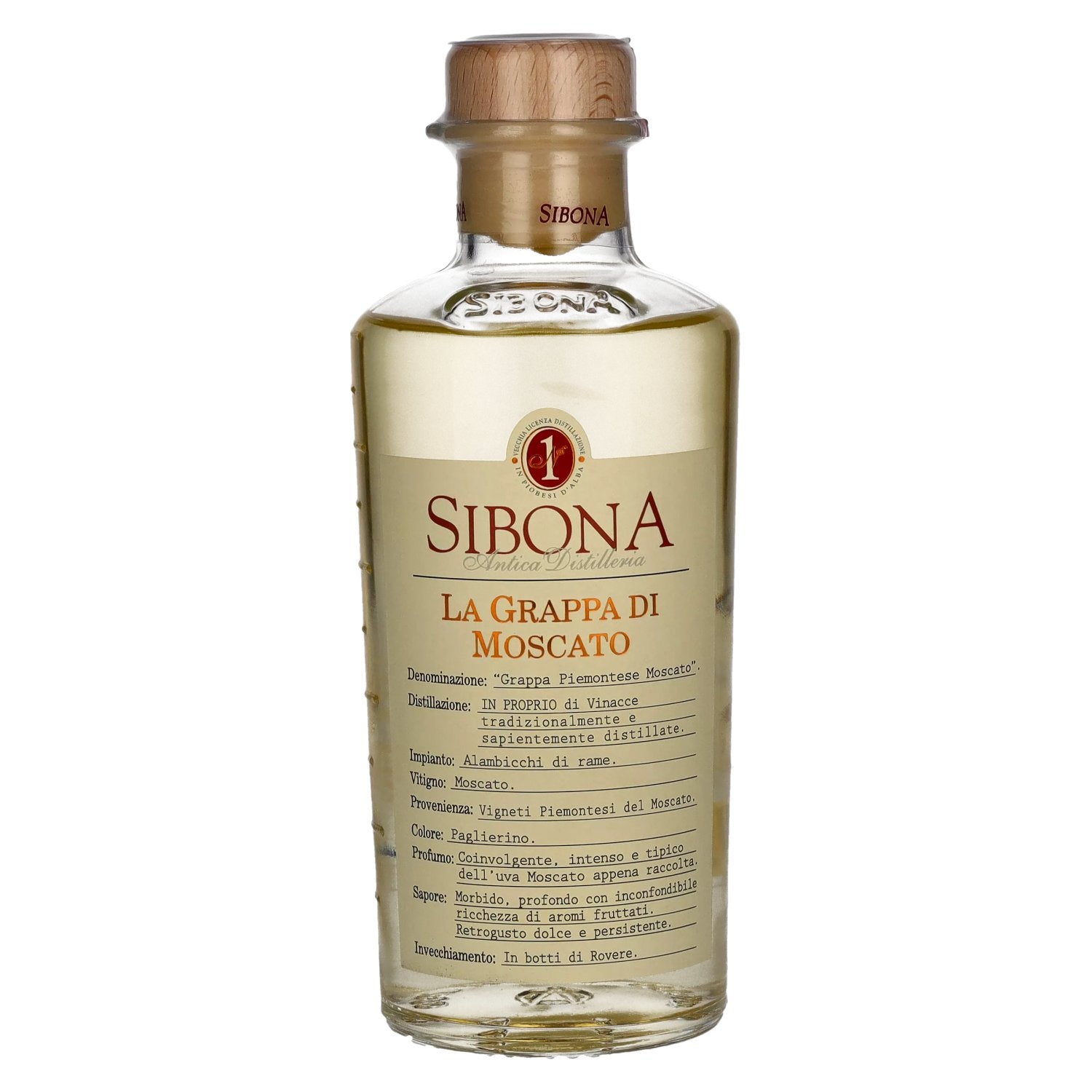
Sibona La Grappa di Moscato — aromatic Piedmontese grappa with fresh grape and floral character.
-
Bottega Grappa Fumé Invecchiata — oak-aged Glera grappa with raisins, vanilla, and warm spice.
-
Bottega Grappa Sandro Moriba — clear, youthful grappa emphasizing fresh fruit.
-
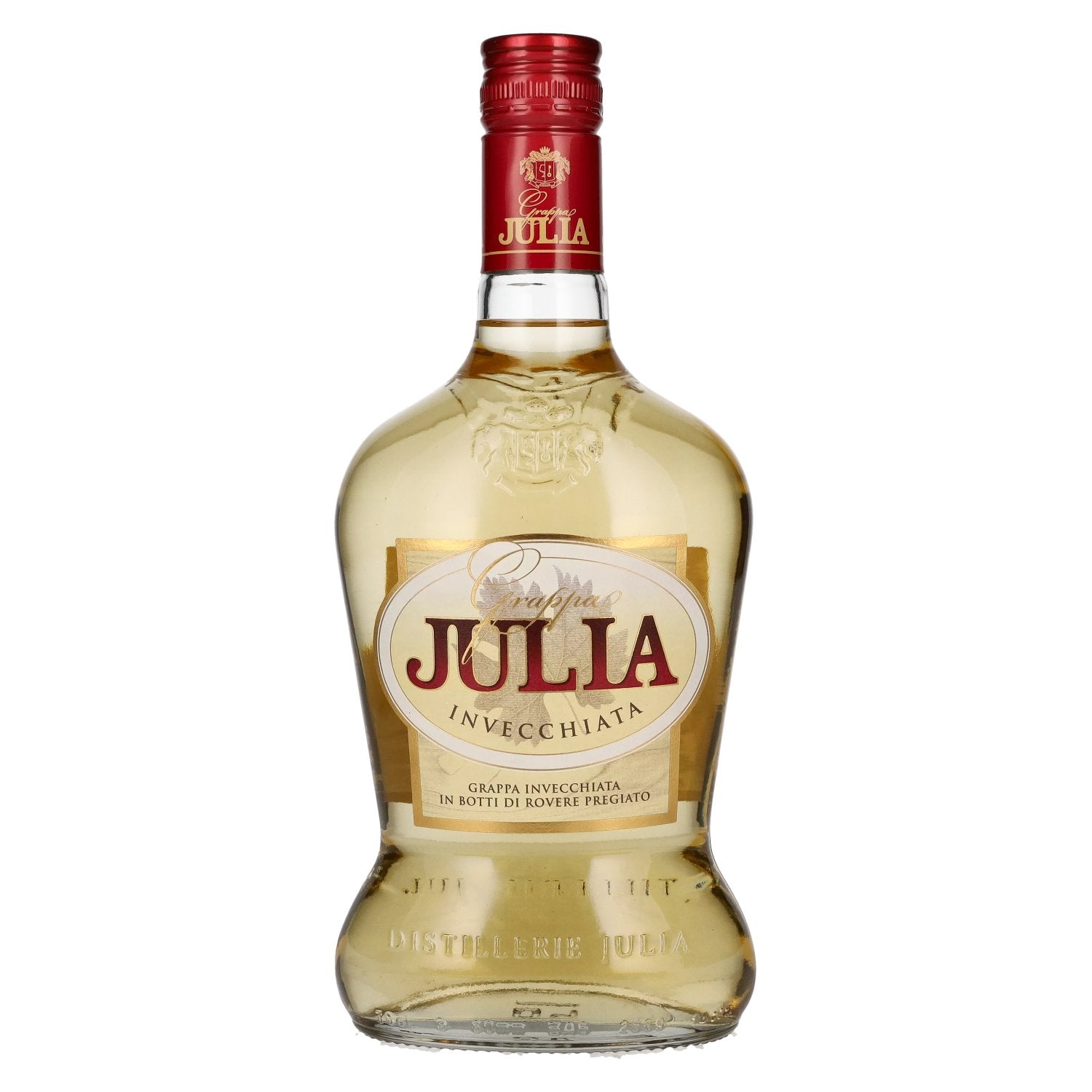
Grappa Julia Invecchiata — a golden Friulian expression matured in oak.
-
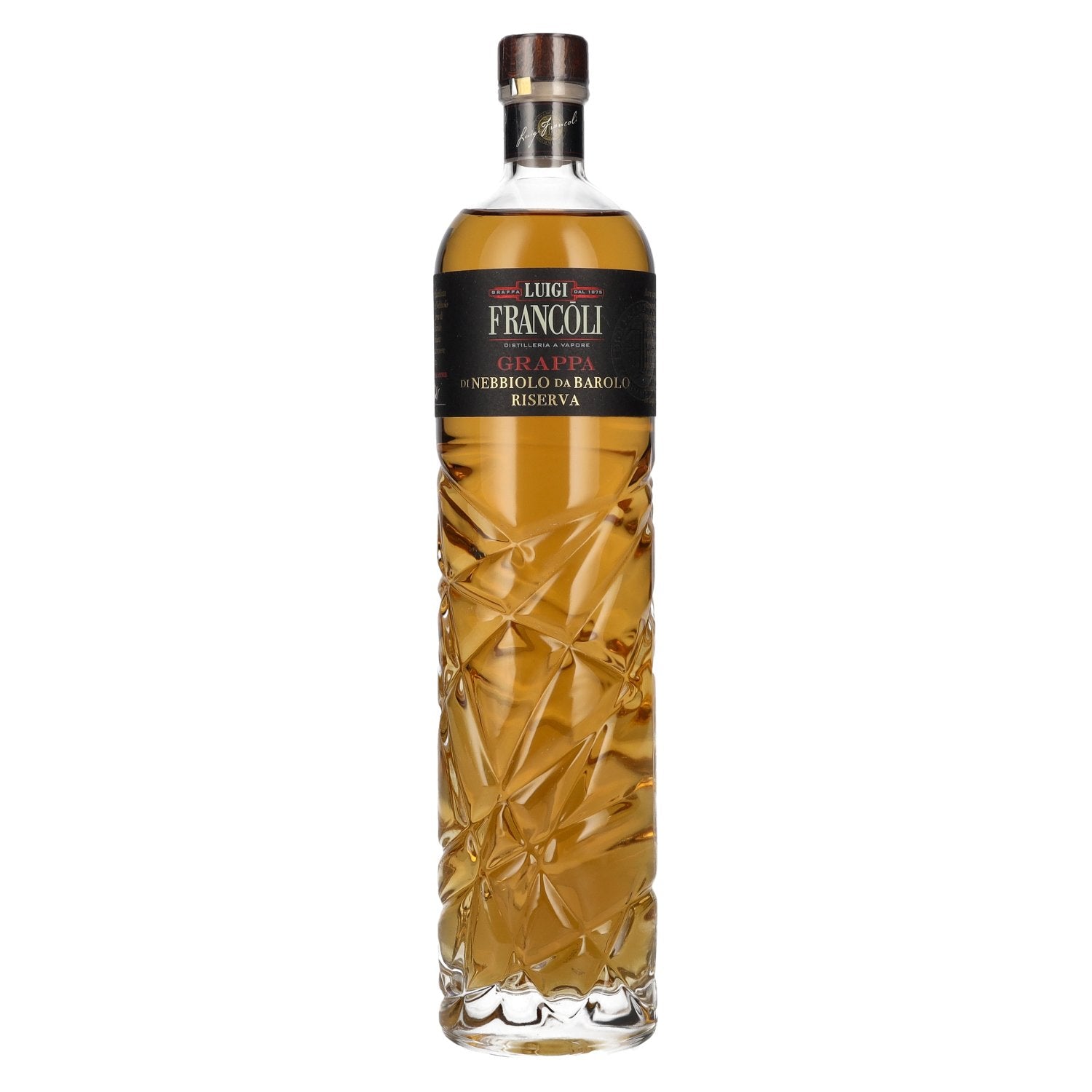
Luigi Francoli Grappa di Nebbiolo da Barolo Riserva — a richer Piedmontese spirit with vanilla, dried grapes, and tobacco notes.
Whether you're buying your first bottle or discovering a new Italian digestif, this guide will help you choose with confidence.
What Is Italian Grappa?
Grappa is a traditional Italian spirit distilled from fermented grape pomace — the skins, seeds, and other solid grape material left after winemaking.
That makes it different from conventional grape brandy, which is generally distilled from wine.
Grappa also has a protected geographical identity. Under Italian and European rules, the name applies to qualifying spirits produced from grapes grown and vinified in Italy and distilled according to the applicable requirements.
The Consorzio Nazionale Grappa provides information about its protected designation and production traditions.
Grappa vs. Brandy: What's the Difference?
| Feature | Italian Grappa | Traditional Grape Brandy |
|---|---|---|
| Raw material | Fermented grape pomace | Wine or fermented grape liquid |
| Origin | Protected Italian designation | Produced in many countries |
| Flavor | Often grape-skin, floral, fruity, or herbal | Often wine-derived fruit, oak, and spice |
| Appearance | Clear to amber | Clear or amber, depending on style |
| Aging | Optional, depending on category | Depends on the type and regional rules |
Grappa isn't simply Italian Cognac. It's a different category, with its own raw materials, distillation heritage, and aromatic character.
For a broader comparison, read our Cognac vs. Armagnac vs. Brandy Guide.
Young Grappa vs. Invecchiata vs. Riserva
Understanding the label is one of the easiest ways to choose your next bottle.
Grappa Giovane (Young Grappa)
Generally rested in inert containers such as stainless steel rather than aged in wood. Often clear, with fresh grape, fruit, and floral aromas.
Grappa Aromatica (Aromatic Grappa)
Made from naturally aromatic grape varieties such as Moscato. The grape itself contributes pronounced fragrance; the word aromatica does not automatically mean the spirit has been artificially flavored.
Grappa Invecchiata (Aged Grappa)
The regulated term Invecchiata or Vecchia requires at least 12 months of maturation in wooden containers.
Grappa Riserva (Reserve Grappa)
The designation Riserva or Stravecchia requires at least 18 months of wood maturation.
These aging categories describe minimum requirements, not guaranteed levels of quality. Grape variety, distillation, barrel type, and producer expertise also influence the finished spirit.
Five Italian Grappas at a Glance
| Bottle | Region | Style | ABV | Flavor Highlights |
|---|---|---|---|---|
| Sibona Moscato | Piedmont | Aromatic, oak-finished | 40% | Moscato grapes, ripe fruit, delicate sweetness |
| Bottega Fumé | Veneto | Oak-aged Invecchiata | 38% | Raisins, vanilla, sweet spices |
| Bottega Sandro Moriba | Veneto | Young, steel-rested | 38% | Fresh fruit, floral aromas |
| Julia Invecchiata | Friuli | Oak-aged Invecchiata | 40% | Gentle fruit, golden oak |
| Luigi Francoli Barolo Riserva | Piedmont | Oak-aged Riserva | 41.5% | Vanilla, tobacco, dried grapes |
Prefer floral aromas? Start with Sibona Moscato.
Enjoy vanilla and oak? Consider Bottega Fumé or Julia.
Want a clean, youthful grappa? Choose Bottega Sandro.
Looking for a richer Riserva? Explore Luigi Francoli Barolo.
1. Sibona La Grappa di Moscato — The Aromatic Side of Piedmont
Moscato is one of Italy's most expressive grape varieties, celebrated for its fragrant fruit and floral aromas.
Sibona La Grappa di Moscato transforms selected Moscato grape pomace into a beautifully aromatic spirit from Piedmont.
The producer, Antica Distilleria Domenico Sibona, operates in Piobesi d'Alba, an area associated with some of Italy's best-known wine traditions.
What Makes Sibona Moscato Special?
According to the official Sibona product guide, production includes:
-
Selected Moscato pomace.
-
In-house distillation in copper stills.
-
Extended resting in stainless steel.
-
Further maturation in oak barrels.
-
Bottling at 40% ABV.
Unlike a completely unaged grappa, Sibona Moscato has a pale straw color resulting from its production and maturation.
Its distinctive graduated bottle features measurement markings and a practical pouring spout.
Tasting Notes
Appearance: Pale straw yellow.
Aroma: Freshly harvested Moscato grapes, expressive fruit, and floral impressions.
Palate: Smooth, rich fruit character, a delicately sweet impression, and a persistent finish.
The appeal lies in the grape's natural fragrance rather than strong wood influence.
How to Serve Sibona Moscato
Sibona recommends approximately 18°C in a tulip-shaped tasting glass.
Pour a modest amount and let the aromas develop naturally.
Avoid serving it straight from the freezer if you want to appreciate its distinctive Moscato bouquet.
Food Pairings
Try it with almond biscotti, walnuts, dried fruit, chocolate, mature cheeses, or hazelnut pastries.
Who should choose it?
Sibona is particularly interesting for wine enthusiasts, lovers of aromatic grape spirits, and anyone exploring the character of Moscato beyond sparkling wine.
Discover the fragrance of Piedmontese Moscato in a beautifully presented Italian grappa, carefully distilled and finished in oak.
SHOP SIBONA LA GRAPPA DI MOSCATO →
2. Bottega Grappa Fumé Invecchiata — Glera Grappa with Oak-Aged Depth
The Glera grape is best known as the principal variety behind Prosecco.
But in the hands of Veneto producer Bottega, Glera pomace becomes something very different: an amber-colored grappa shaped by oak maturation.
Bottega Grappa Fumé Invecchiata offers a richer, more spice-driven expression for those who appreciate aged spirits.
What Makes Bottega Fumé Special?
According to Bottega's official Fumé product information, its production includes:
-
Selected Glera grape pomace.
-
Copper alembic distillation.
-
Indirect bain-marie heating.
-
12 months of maturation in oak barrels.
-
Intensively toasted barrel staves.
The barrel treatment contributes to its color and distinctive aromatic character.
The name Fumé refers to this wood influence; it doesn't mean smoke flavoring has been added.
The featured bottle contains 38% ABV.
Tasting Notes
Appearance: Warm amber.
Aroma: Dried grapes, raisins, vanilla, and sweet spice.
Palate: Rounded, with wood-derived complexity and a gently spicy finish.
Compared with a young grappa, Fumé places greater emphasis on maturation and oak.
How to Serve Bottega Fumé
Bottega recommends approximately 10–12°C.
A small tulip glass lets you explore the relationship between dried fruit and wood.
For a useful tasting comparison, try it alongside Bottega Sandro to see how dramatically maturation can change the experience.
Food Pairings
Dark chocolate, almond biscuits, roasted hazelnuts, coffee cake, and pistachio pastries complement its richer flavor profile.
Who should choose it?
Bottega Fumé is an attractive option for aged grappa enthusiasts and drinkers who appreciate vanilla, warm spice, and oak in whisky or brandy.
Explore the richer side of Italian grappa with Bottega Fumé — a distinctive Glera spirit shaped by twelve months in toasted oak.
SHOP BOTTEGA GRAPPA FUMÉ INVECCHIATA →
3. Bottega Grappa Sandro Moriba — Fresh, Clear and Traditionally Italian
Not every great grappa needs years in a barrel.
Bottega Grappa Sandro Moriba celebrates the fresh, fruit-driven character of a young Italian grape-pomace spirit.
Its clear appearance and aromatic profile offer an interesting contrast to Bottega Fumé.
The featured bottle is sold by MyDrinx as Sandro Moriba, while the producer identifies the range as Sandro Bottega.
What Makes Bottega Sandro Different?
According to Bottega's official Sandro collection and the MyDrinx product listing, the grappa is produced using copper distillation equipment and indirect bain-marie heating.
After distillation, it rests for approximately six months in stainless steel tanks.
That preserves a fresher profile without the strong influence of oak.
Its sculptural bottle evokes the shape of a falling drop of grappa.
The featured expression contains 38% ABV.
Tasting Notes
Appearance: Crystal-clear.
Aroma: Fresh fruit, delicate floral notes, and a light herbal impression.
Palate: Clean, dry, and fruit-forward.
Its character is more direct and youthful than the amber-colored Fumé.
How to Serve Bottega Sandro
The manufacturer recommends approximately 10–12°C.
It's a natural starting point for a comparative grappa tasting because it shows how a young expression differs from wood-aged styles.
Traditional Italian Serving Idea: Caffè Corretto
Caffè corretto is an Italian espresso served with a small amount of spirit, often grappa.
For a simple version:
-
Prepare one fresh espresso.
-
Add approximately 10 ml Bottega Sandro.
-
Stir briefly and serve.
The coffee's bitterness creates an interesting contrast with the grappa's fruity aromas.
Food Pairings
Try it alongside fresh fruit, vanilla desserts, dark chocolate, or light pastries.
Who should choose it?
Bottega Sandro is a useful introduction to clear Italian grappa, especially for those who want to understand the original grape aromas before exploring oak-aged expressions.
Experience the freshness of young Italian grappa with Bottega Sandro — an elegant, clear spirit with fruit and floral character.
SHOP BOTTEGA GRAPPA SANDRO MORIBA →
4. Grappa Julia Invecchiata — Golden Grappa from Friuli
Friuli is another important region in northern Italy's grappa tradition.
Grappa Julia Invecchiata offers a recognizable aged style, combining fruit character with the roundness that develops during maturation in oak.
It's an appealing choice for buyers who enjoy golden spirits but don't necessarily want the intensity of a long-aged Riserva.
What Makes Julia Invecchiata Special?
The MyDrinx product description identifies:
-
Production associated with Friuli, Italy.
-
Distillation using copper equipment.
-
A blend of locally grown grape pomace.
-
12 months of maturation in small oak barrels.
-
Bottling at 40% ABV.
The retailer's description names Malvasia, Sangiovese, and Cabernet among the grape varieties.
An independent technical sheet confirming the exact blend was not available, so the producer's complete formulation should not be treated as independently verified.
Tasting Notes
Appearance: Bright golden yellow.
Aroma: Soft fruit with delicate woody notes.
Palate: Rounded, balanced, and gently influenced by oak.
Julia offers an approachable way to explore the difference between a clear young grappa and a matured expression.
How to Serve Julia Invecchiata
Serve a modest pour in a tulip glass at a moderately cool temperature.
Allow the fruit and wood aromas to open before tasting.
For a side-by-side comparison, Julia and Bottega Fumé provide two different interpretations of the 12-month-aged category.
Food Pairings
Its balanced profile works with toasted nuts, aged cheese, almond biscuits, apple tart, and dark chocolate.
Who should choose it?
Julia suits drinkers seeking a straightforward, traditionally styled aged grappa with fruit and gentle wood character.
Discover the smooth golden character of Friulian grappa with Julia Invecchiata — an inviting introduction to Italian oak-aged spirits.
SHOP GRAPPA JULIA INVECCHIATA →
5. Luigi Francoli Nebbiolo da Barolo Riserva — Piedmontese Depth and Elegance
Nebbiolo is one of Italy's most prestigious red grape varieties.
It's the foundation of Barolo, the renowned wine produced in Piedmont.
But Nebbiolo pomace also provides the raw material for a distinctive aged grappa.
Luigi Francoli Grappa di Nebbiolo da Barolo Riserva combines that grape heritage with extended wood maturation.
What Makes Francoli Barolo Riserva Special?
The official Luigi Francoli technical guide confirms that this expression uses Nebbiolo pomace originating in the Barolo DOCG production area.
It's important to understand the distinction: this is not finished Barolo wine distilled into brandy.
It's a spirit made from the grape pomace associated with that wine-growing area.
Production involves continuous steam distillation followed by fractional distillation in a copper column.
Maturation includes:
-
Extended resting in 700-liter oak tonneaux.
-
Additional aging in Limousin oak barriques for at least 18 months.
The finished grappa contains 41.5% ABV.
Tasting Notes
Appearance: Intense gold with amber hues.
Aroma: Vanilla, tobacco, dried grapes, and mature wood.
Palate: Refined, enveloping, and richly aromatic.
Compared with Sibona Moscato's fragrant fruit character, Francoli Riserva emphasizes maturation, depth, and wood-derived complexity.
How to Serve Francoli Barolo Riserva
Serve neat in a small tulip glass at a moderate temperature.
Give the spirit time to open before tasting.
Its vanilla, tobacco, and dried-fruit notes are worth exploring without strong mixers.
Food Pairings
Try it with Parmigiano Reggiano, dark chocolate, dried figs, roasted hazelnuts, or almond pastries.
Why It Makes an Interesting Gift
For someone who already appreciates Nebbiolo wines, Italian spirits, or mature grape distillates, Francoli offers a distinctive connection to Piedmont.
Its origin and aging process give the bottle a clear story beyond its appearance.
Discover the depth of Barolo-area Nebbiolo pomace transformed into a refined Italian Riserva with vanilla, dried-grape, and oak aromas.
SHOP LUIGI FRANCOLI BAROLO RISERVA →
Which Italian Grappa Should You Buy?
The easiest way to choose is to focus on the flavors you already enjoy.
| Your Preference | Recommended Grappa |
|---|---|
| Fragrant grapes and floral aromas | Sibona Moscato |
| Raisins, vanilla, and toasted oak | Bottega Fumé |
| Fresh fruit and clear young spirits | Bottega Sandro Moriba |
| Gentle oak and rounded fruit | Julia Invecchiata |
| Rich wood, tobacco, and dried grapes | Luigi Francoli Barolo Riserva |
Best Grappa for Beginners
Start with Bottega Sandro if you want to discover the young style.
Choose Sibona Moscato if you enjoy fragrant grape varieties and expressive fruit aromas.
Best Aged Grappa
Bottega Fumé is interesting for its toasted-oak treatment and raisin-like aromas.
Julia Invecchiata offers a softer fruit-and-wood profile.
Luigi Francoli Barolo Riserva provides a more mature, wood-influenced expression.
Best Grappa for Gifts
Sibona's graduated bottle, Bottega's distinctive presentation, and Francoli's Barolo-area heritage all provide different reasons to choose a bottle as a gift.
For the widest selection, browse the Italian Grappa collection at MyDrinx.
How to Drink Italian Grappa Properly
Grappa can be enjoyed neat, with coffee, or in selected cocktails.
For a first tasting, keeping the spirit simple is usually the most revealing approach.
Choose a Tulip-Shaped Glass
A tulip glass allows aromas to concentrate near the rim.
Use small pours and avoid excessive swirling, which may make alcohol vapors dominate delicate aromas.
Pay Attention to Serving Temperature
Producer recommendations vary.
-
Sibona Moscato: Around 18°C.
-
Bottega Sandro: Around 10–12°C.
-
Bottega Fumé: Around 10–12°C.
-
Julia and Francoli Riserva: Start moderately cool and adjust to preference.
Extremely low temperatures can mute aromas, especially in aromatic and aged expressions.
Compare Young and Aged Grappa
For an educational tasting, compare a young expression such as Sandro with an aged expression such as Fumé.
Notice differences in color, grape character, fruit, vanilla, spice, and wood influence.
A small comparative tasting can reveal more about the category than focusing on alcohol strength alone.
Two Easy Grappa Cocktails to Try
Although grappa has a strong tradition as an after-dinner spirit, it also works in selected cocktails.
1. Italian Grappa Citrus Highball
A light, citrus-forward recipe for Bottega Sandro.
Ingredients:
-
30 ml Bottega Sandro Moriba
-
100 ml soda water
-
15 ml fresh lemon juice
-
10 ml simple syrup
-
Ice
-
Lemon peel
Preparation:
-
Fill a highball glass with ice.
-
Add grappa, lemon juice, and syrup.
-
Top with soda water.
-
Stir gently and garnish with lemon peel.
The citrus adds brightness without covering the young grappa's fruit character.
2. Aged Grappa Old Fashioned
A richer cocktail for Bottega Fumé or Julia Invecchiata.
Ingredients:
-
40 ml aged grappa
-
5 ml demerara syrup
-
2 dashes aromatic bitters
-
One large ice cube
-
Orange peel
Preparation:
-
Stir the grappa, syrup, and bitters with ice.
-
Strain into a rocks glass over a large cube.
-
Express orange peel over the glass.
The orange and restrained sweetness complement the aged spirit's vanilla and oak notes.
How to Store Grappa at Home
Store unopened grappa bottles upright in a cool, dark place away from direct sunlight and significant temperature changes.
After opening, close the bottle securely to limit unnecessary air exposure.
Grappa does not continue maturing in the bottle as it does in a wooden barrel.
For more information, read our How to Store Spirits at Home guide, covering temperature, light, oxidation, and opened bottles.
Frequently Asked Questions About Italian Grappa
What is grappa made from?
Grappa is distilled from fermented grape pomace — primarily the grape skins, seeds, and other solids remaining after winemaking.
Is grappa the same as brandy?
No. Traditional grape brandy is generally distilled from wine, while grappa is produced from grape pomace.
Is grappa only made in Italy?
The protected name grappa is associated with Italian production and origin requirements. Similar grape-pomace spirits made elsewhere do not automatically qualify for the designation.
What is the difference between young and aged grappa?
Young grappa is generally rested in inert containers, while aged grappa matures in wood, developing additional color and aromas.
What does Invecchiata mean?
Invecchiata indicates at least 12 months of qualifying maturation in wooden containers.
What does Riserva mean?
Riserva indicates at least 18 months of wood maturation under the applicable grappa rules.
Is Moscato grappa sweet?
Moscato grappa can have a sweet-smelling, intensely fruity aroma, but it should not be confused with a sweetened Moscato liqueur.
Is Bottega Fumé made from Prosecco?
It is produced from Glera grape pomace, associated with Prosecco production, rather than by distilling finished bottled Prosecco.
Is Bottega Sandro Moriba aged in oak?
The featured expression is described as resting in steel tanks for approximately six months, rather than undergoing the oak maturation used for Fumé.
What makes Julia Invecchiata different?
Julia is a Friulian-style aged grappa described by the retailer as spending twelve months in small oak barrels, creating gentle fruit and wood notes.
Is Francoli Barolo Riserva made from Barolo wine?
It is made from Nebbiolo grape pomace originating in the Barolo DOCG production area, not from distilling finished Barolo wine.
What is the best temperature for grappa?
It depends on the bottle. Some producers recommend 10–12°C, while others recommend temperatures closer to 18°C.
Can you mix grappa in cocktails?
Yes. Young grappa can work in citrus highballs, while aged expressions suit more restrained, spirit-forward recipes.
Where can I buy Italian grappa online in the USA?
Explore these five bottles and other Italian spirits in the MyDrinx Grappa collection. Check individual product pages for availability and shipping eligibility.
Discover Italian Grappa at MyDrinx
From fragrant Moscato to mature Barolo-area Nebbiolo, Italian grappa is far more diverse than a single after-dinner tradition.
Sibona Moscato highlights the fresh fragrance of Piedmontese grapes.
Bottega Fumé reveals the effect of toasted oak on Glera pomace.
Bottega Sandro Moriba preserves the clarity and fruit character of young grappa.
Julia Invecchiata introduces golden color and gentle wood influence.
Luigi Francoli Barolo Riserva offers a more mature expression shaped by Nebbiolo and extended oak aging.
Five bottles. Four producers. Five different ways to discover Italy's grape-distilling heritage.
Whether you're exploring a new category or choosing a thoughtful gift for a spirits enthusiast, MyDrinx brings distinctive Italian grappas into one collection.
Discover your next Italian grappa at MyDrinx.
EXPLORE THE ITALIAN GRAPPA COLLECTION →
Sources & Further Reading
-
Consorzio Nazionale Grappa — Italian grappa production, geographical designation, and aging terminology.
-
Sibona — Grappa di Moscato — Moscato pomace, copper distillation, oak maturation, tasting notes, and serving temperature.
-
Bottega — Sandro Fumé — Glera pomace, oak-barrel maturation, and sensory profile.
-
Bottega — Sandro Grappa — Young grappa production and tasting characteristics.
-
Luigi Francoli — Nebbiolo Grappa from Barolo Riserva — Grape origin, distillation, wood aging, and sensory information.
-
MyDrinx — Grappa Julia Invecchiata — Retailer-provided grape, maturation, and tasting information.
-
MyDrinx — Bottega Sandro Moriba — Featured bottling and steel-resting information.