
A home bar can hold bottles from completely different worlds: high-proof whisky, prestige Champagne, aromatic liqueurs, bitter aperitifs and rich cream-based drinks.
They should not all be stored the same way.
Whisky generally belongs upright in a cool, dark cabinet.
Vintage Champagne benefits from stable, cellar-like conditions and careful protection from light.
A strong liqueur is usually relatively forgiving, but still deserves darkness, moderate temperature and a secure closure.
A gentian aperitif such as Suze should be protected from heat and air after opening — but it should not automatically be treated like wine-based vermouth.
And cream liqueurs require the closest attention to the storage instructions printed on the bottle.
This guide uses five distinctive bottles from Ondjaba, Louis Roederer, Pussanga, Suze and Bumbu to explain how to store different types of alcohol at home — before and after opening.
Quick Guide: How to Store Different Bottles
| Type | Unopened | Position | After Opening |
|---|---|---|---|
| Whisky | Cool, dark cabinet | Upright | Reseal tightly; watch headspace |
| Champagne | Dark cellar or wine fridge, ideally around 10–15°C | Follow producer guidance | Refrigerate and use a sparkling-wine stopper |
| Strong Liqueur | Cool, dark cabinet | Upright | Keep tightly sealed |
| Gentian Aperitif | Cool, dark cabinet | Upright | Keep tightly closed and cool |
| Cream Liqueur | Follow bottle instructions | Upright | Refrigerate when the label requires it |
The most important principle is simple:
store the bottle according to what it actually is — not according to where it happens to sit on your bar shelf.
Light, Heat and Air: The Basics of Bottle Storage
Most home-bar storage problems come from three things.
Direct Light
A sunny bar cart may look impressive, but constant exposure to natural light is not ideal for long-term storage.
Light can affect sensitive drinks and can also fade:
-
labels;
-
presentation boxes;
-
colored packaging.
Prestige Champagne in transparent glass deserves especially careful protection.
Heat and Temperature Fluctuations
Avoid storing valuable bottles:
-
above an oven;
-
beside a radiator;
-
against a sunny window;
-
near appliances that regularly generate heat.
A stable environment is generally more important than chasing one exact temperature for every spirit.
Air After Opening
Once a bottle is opened, oxygen becomes more relevant.
A nearly full bottle contains relatively little air.
A bottle with only a small amount remaining has much more headspace, which can gradually affect aroma and flavor — particularly when the bottle is kept for a long time.
Now let us look at how these principles change by category.
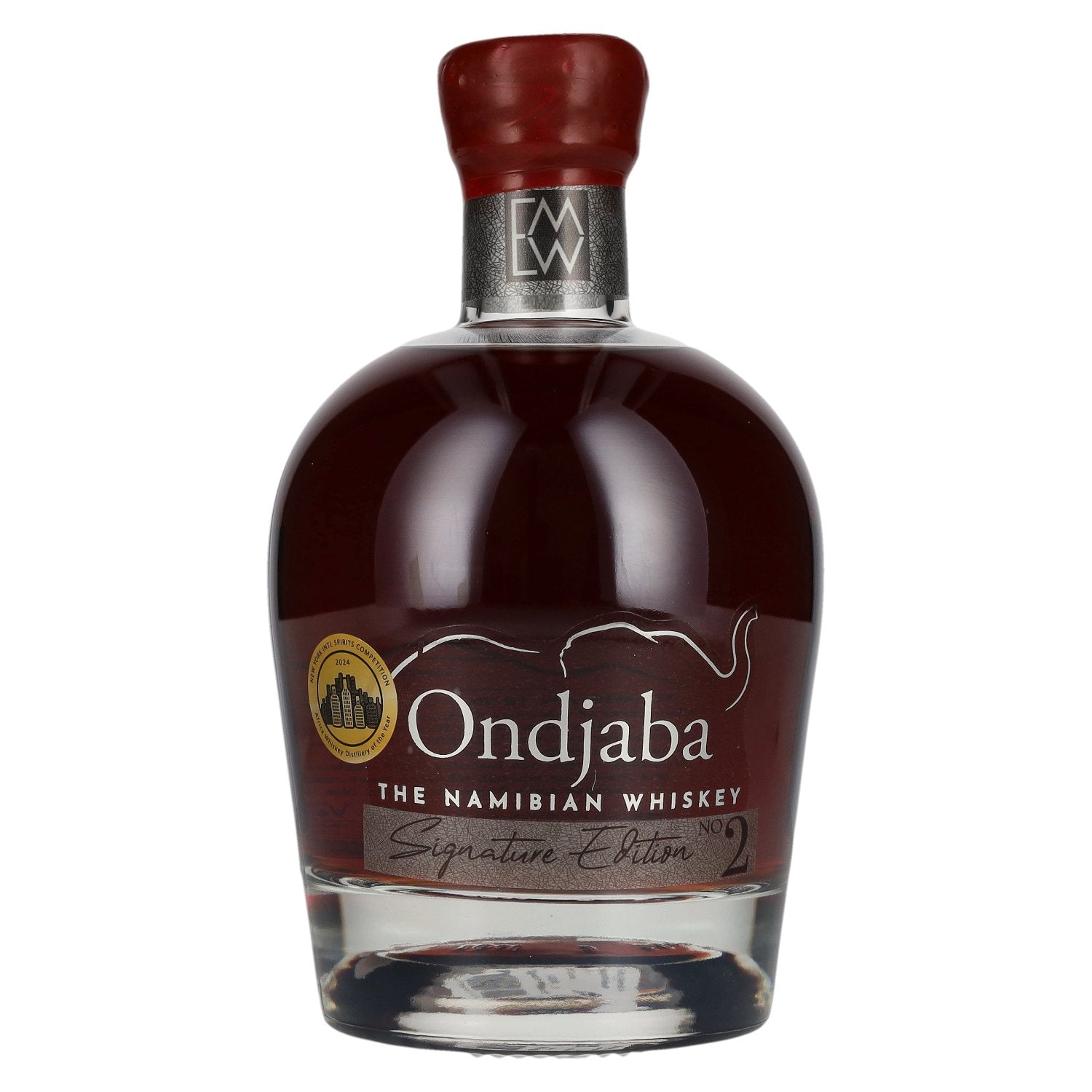
1. Ondjaba Signature Edition No. 2 — How to Store Premium Whisky
Ondjaba Signature Edition No. 2 is not a whisky you buy because it tastes like everything else on the shelf.
Produced in Namibia, Ondjaba is associated with an unconventional grain recipe that includes mahangu millet and an unusual smoking technique involving elephant dung rather than traditional peat.
Signature Edition No. 2 also draws character from a combination of virgin oak, red-wine and brandy casks.
That makes it exactly the kind of distinctive whisky bottle that may stay in a collection for months or years between pours.
Store Whisky Upright
This is the most important whisky-storage rule.
Unlike wine, whisky should normally be stored vertically.
The Macallan recommends upright storage because leaving high-strength alcohol in continuous contact with the closure can damage the cork over time.
Protect Ondjaba from Sunlight
Keep the bottle in:
-
a closed drinks cabinet;
-
a dark shelf away from windows;
-
its original packaging, if available.
Long-term sunlight exposure is unnecessary risk for both the whisky and its presentation.
Keep the Temperature Stable
A normal cool indoor environment is usually suitable for whisky.
Avoid repeatedly moving the bottle between very warm and very cold conditions.
Whisky does not need a refrigerator or freezer for long-term storage.
What Changes After Opening?
Whisky does not suddenly spoil after the first pour.
The bigger issue is gradual oxidation.
If a premium whisky bottle becomes almost empty and you intend to keep the remainder for a long time, transferring it into a smaller, clean glass bottle with a reliable closure can reduce the amount of air surrounding the liquid.
Best Storage for Ondjaba
Think:
upright + dark + stable + tightly sealed.
Protect one of Namibia’s most unusual whisky expressions properly, then bring it out when the occasion calls for something far beyond the familiar Scotch or bourbon shelf.
Shop Ondjaba Signature Edition No. 2 at MyDrinx
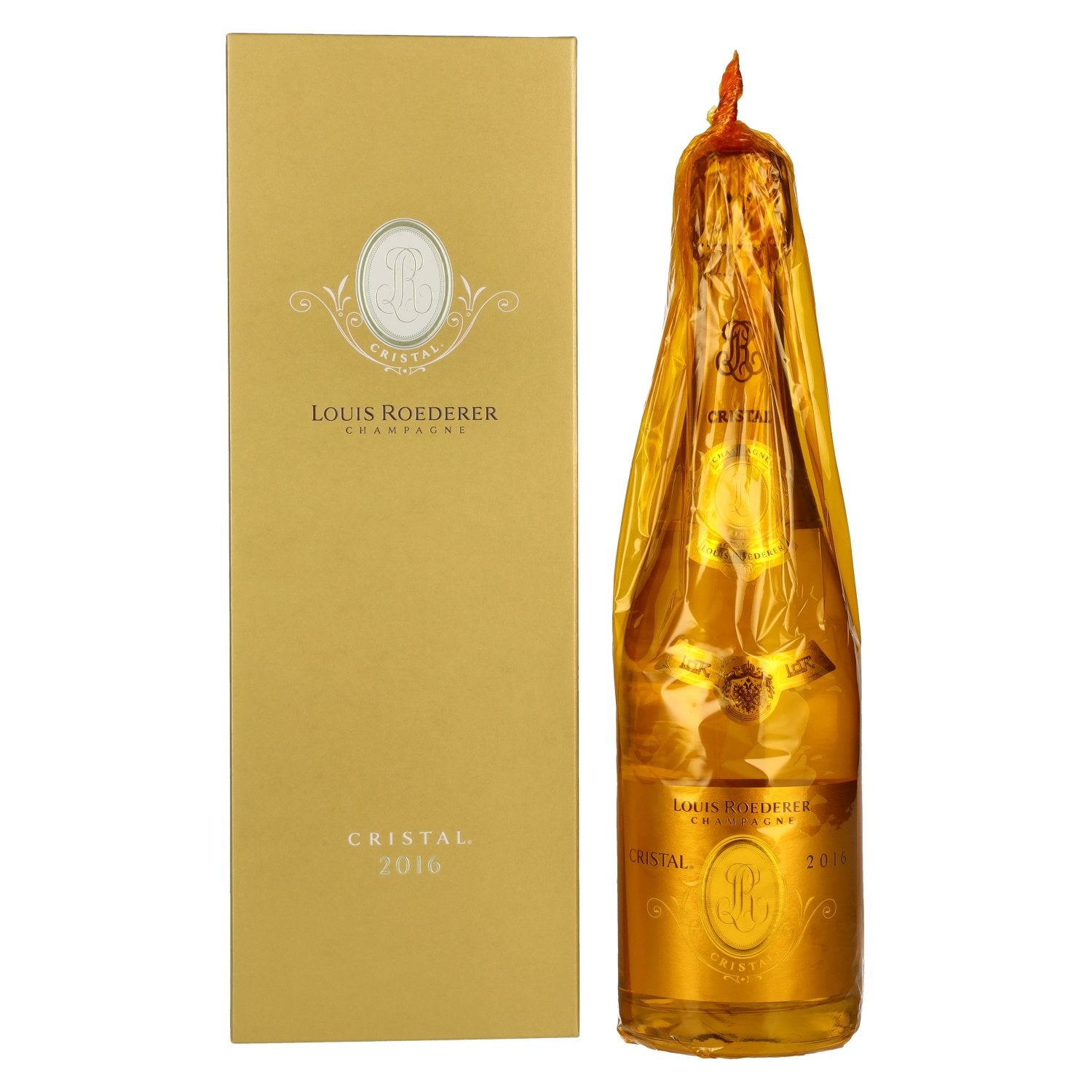
2. Louis Roederer Cristal 2016 — How to Store Prestige Champagne
Champagne requires a completely different approach.
Louis Roederer Cristal 2016 is a prestige vintage Champagne made from 58% Pinot Noir and 42% Chardonnay, according to Louis Roederer.
It also has considerable ageing potential, which means storage conditions matter much more if you plan to keep it for years rather than open it this weekend.
Darkness Is Especially Important for Cristal
Cristal is instantly recognizable because of its transparent bottle.
That beauty also makes protection from light particularly important.
Louis Roederer recommends keeping Cristal inside its original box with the tinted cellophane wrapper intact until serving because the wrapper protects the wine from harmful natural and artificial light.
So do not throw the orange-toned wrapper away.
It has a practical purpose.
What Temperature Is Best?
Louis Roederer recommends cellar storage at approximately 8–14°C, with as little temperature fluctuation as possible.
For serious long-term storage, a proper wine fridge or cool cellar is preferable to a normal kitchen refrigerator.
Upright or Horizontal?
General Champagne storage advice can vary.
For Louis Roederer specifically, the producer recommends horizontal cellar storage, helping keep the cork in contact with the wine.
When the producer of a prestige bottle gives specific storage instructions, those instructions are the best guide to follow.
Keep Cristal Away from Vibration
Louis Roederer also emphasizes peace and minimal vibration during ageing.
Avoid long-term storage:
-
on vibrating appliances;
-
beside powerful speakers;
-
on unstable shelving.
Keep the Original Packaging
With many spirits, a gift box is mainly decorative.
For Cristal, the original presentation is useful storage equipment.
Keep:
bottle + tinted cellophane + original box
together whenever possible.
What About an Open Bottle of Champagne?
Once opened, vintage Champagne should go into the refrigerator with a proper sparkling-wine stopper.
It will not continue ageing like an unopened bottle.
Open it when you intend to enjoy it.
Best Storage for Cristal
Think:
cool + completely dark + stable + quiet + protected by its original packaging.
Cristal is designed to evolve beautifully. Give a prestige Champagne the storage conditions it deserves before the celebration finally arrives.
Shop Louis Roederer Cristal 2016 at MyDrinx
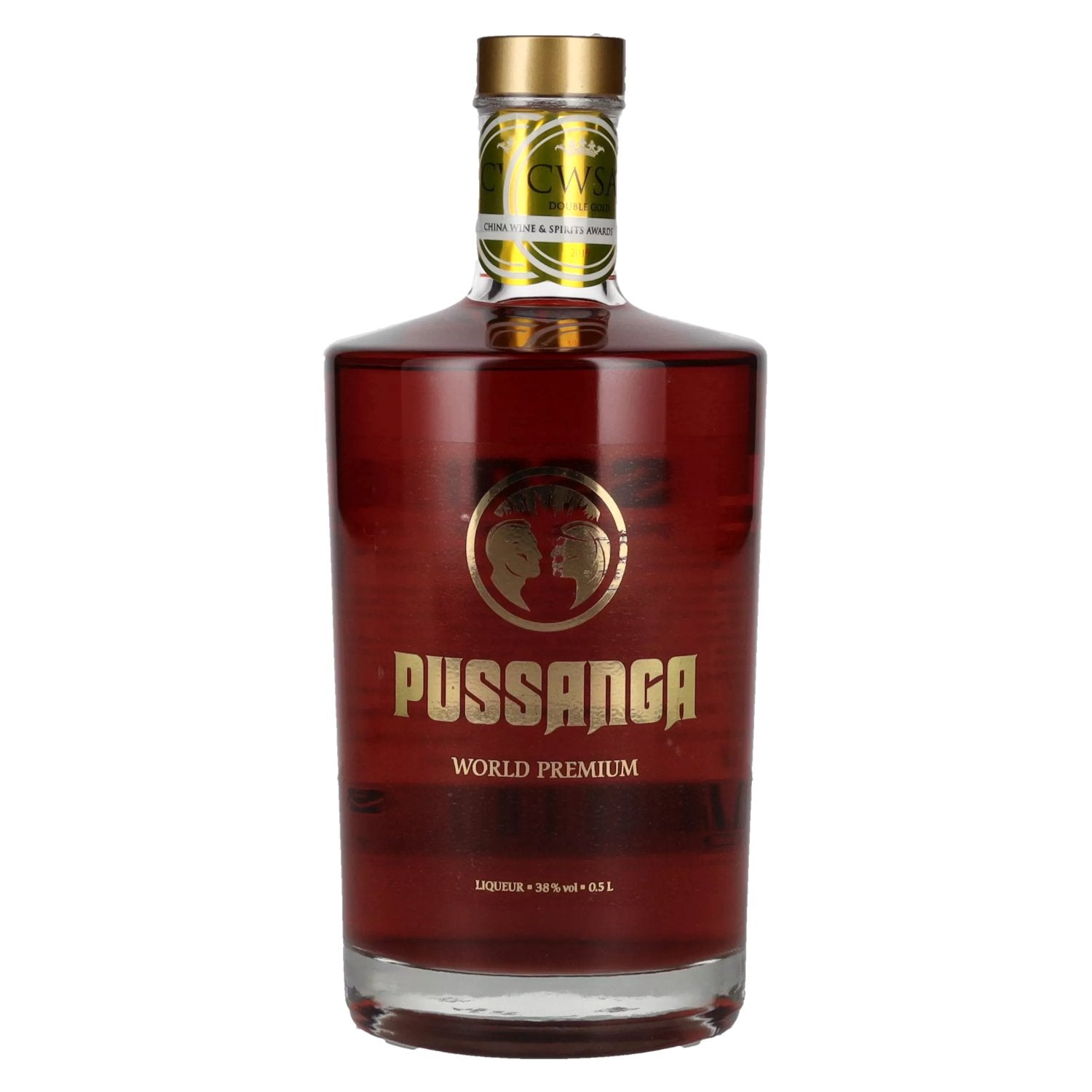
3. Pussanga World Premium Liqueur — How to Store a Strong Liqueur
“Liqueur” is a very broad category.
A high-proof fruit-and-spice liqueur should not automatically be treated the same way as a dairy-based cream bottle.
Pussanga World Premium Liqueur belongs on the stronger, more spirit-like side of the category.
Its distinctive flavor profile combines ingredients associated with:
-
pomegranate;
-
chili;
-
ginger;
-
cardamom;
-
aromatic spices.
Store Pussanga Like a Strong Spirit
For unopened Pussanga, use the same basic environment that works for many spirits:
cool + dark + upright.
A normal drinks cabinet away from sunlight is more useful than refrigeration.
Protect Its Aromatics
A strong alcohol level helps stability, but aromatic ingredients can still change gradually when exposed repeatedly to heat, light and oxygen.
That matters with a bottle built around fruit and spices.
After Opening
Close the bottle properly after each pour.
If you use it only occasionally, do not leave the cap loose for weeks or months.
Aromatic quality matters more here than the question of whether the liquid will technically “spoil.”
Does a Liqueur Improve with Bottle Age?
Do not confuse bottle storage with barrel ageing.
Pussanga is already a finished product.
Keeping it in a cabinet for another decade does not turn it into an older reserve expression.
Store it carefully because you want to preserve the drink you bought — not because you expect the bottle itself to mature like whisky in oak.
Best Storage for Pussanga
Think:
upright + cool + dark + securely closed.
Keep its pomegranate, chili, ginger and spice character ready for bold serves instead of leaving an aromatic liqueur exposed to heat and sunlight.
Shop Pussanga World Premium Liqueur at MyDrinx
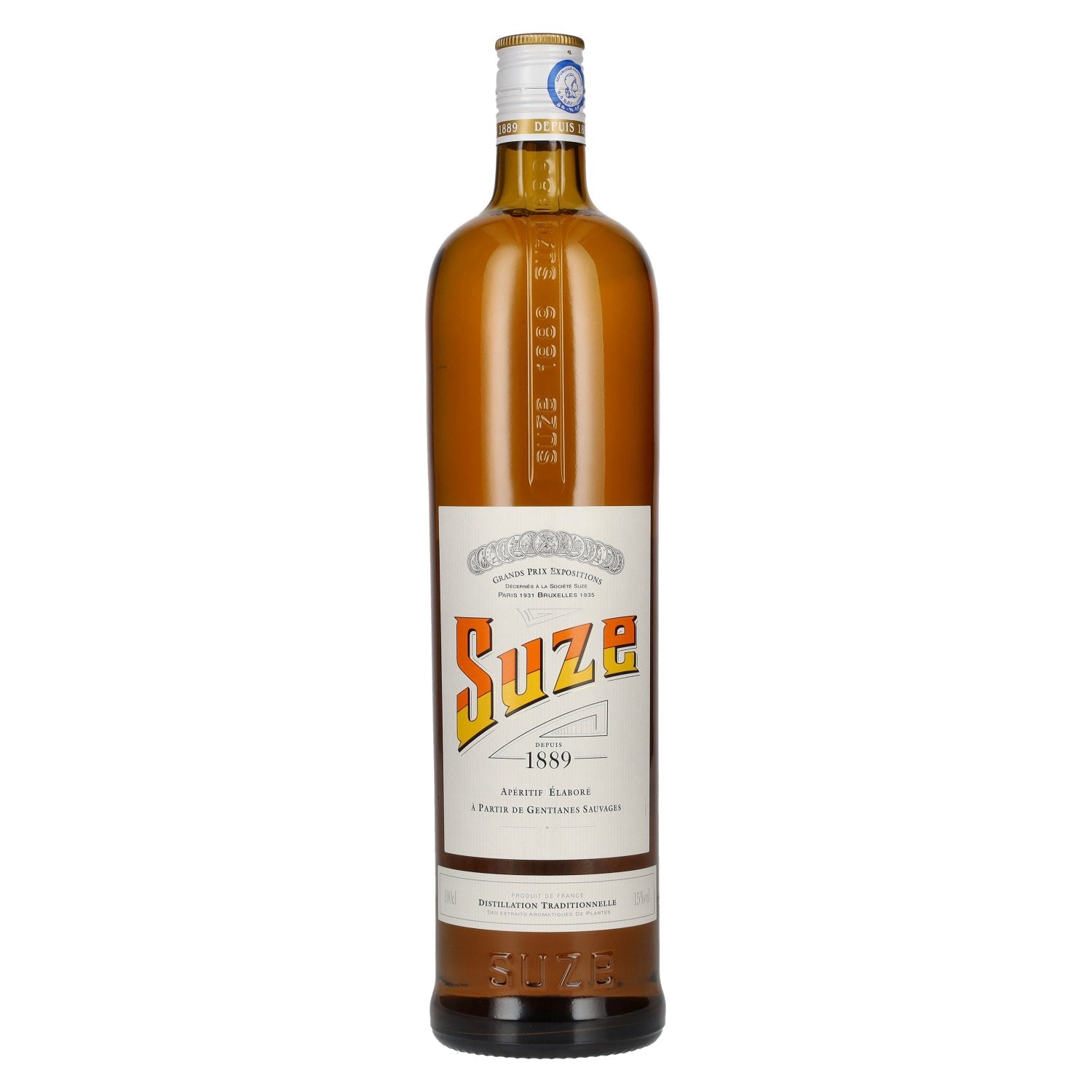
4. Suze L'Originale — Aperitif Storage Depends on the Base
Suze L'Originale is a perfect example of why the word “aperitif” does not tell you everything you need to know about storage.
Suze was created in 1889 and is based around yellow gentian roots rather than wine. The official Suze history describes it as a deliberate break from the wine-based aperitifs that were common at the time.
Its bittersweet gentian character also makes it a classic ingredient in drinks such as the Suze Tonic and White Negroni.
Before Opening
Store Suze:
upright + cool + protected from direct light.
A normal home-bar cabinet is appropriate.
After Opening
Once opened:
-
close the bottle tightly;
-
protect it from heat;
-
avoid leaving it in direct sunlight;
-
follow any storage guidance printed on the bottle you receive.
If your home bar becomes particularly warm, cooler storage can help limit unnecessary flavor changes.
The important point is not to claim that Suze must be refrigerated under the same rules as vermouth.
Suze Is Not Vermouth
This distinction matters.
Vermouth is wine-based. Suze is gentian-based.
The official Suze history specifically explains that the drink was created as an aperitif that would not be based on wine, unlike many alternatives of its era.
Wine-based aperitifs are more sensitive once opened and generally deserve refrigeration.
If you are storing those instead, see our Vermouth 101: Sweet, Dry, Bianco & Rosso guide. MyDrinx’s vermouth guide explains that opened vermouth should usually be refrigerated to preserve freshness.
A Bottle That Is Easy to Use
Good storage also becomes easier when a bottle does not sit forgotten for years.
The official Suze serve combines:
1 part Suze + 2 parts tonic + lemon
for a simple Suze Tonic.
The brand also highlights the White Negroni as one of its classic cocktail applications.
Best Storage for Suze
Think:
upright + cool + dark + tightly closed after opening.
And always distinguish it from wine-based aperitifs when deciding whether refrigeration is necessary.
Bring classic French gentian bitterness into your home bar and keep the bottle properly protected for Suze Tonics, White Negronis and simple bitter aperitif serves.
Shop Suze L'Originale at MyDrinx
5. Bumbu Cream Gift Set — Cream Liqueurs Need Label-Specific Care
Cream bottles deserve more attention than ordinary spirits.
Bumbu Cream combines Bumbu Rum, selected spices and real dairy cream, according to the official Bumbu product page. The producer recommends enjoying it chilled, straight, over ice or in cocktails.
Because dairy is involved, it is important not to apply generic whisky-storage rules automatically.
Read the Storage Instructions on Your Bottle
Storage requirements for cream liqueurs can vary by product, packaging and market.
For Bumbu Cream, the safest rule is:
follow the instructions printed on the bottle and gift packaging you receive.
Where the label directs refrigeration, keep it refrigerated — particularly after opening.
Keep the Bottle Upright
Whether stored in a cabinet or refrigerator according to label instructions, keep the bottle upright.
That helps protect the closure and avoids unnecessary contact between the liquid and cap.
After Opening
Once opened:
-
close the bottle immediately after pouring;
-
follow the refrigeration instructions on the label;
-
respect any best-before or consume-after-opening guidance;
-
do not leave it sitting in a warm room for extended periods.
Do Not Treat Cream Liqueur Like Strong Liqueur
Compare:
Pussanga — strong fruit-and-spice liqueur.
Bumbu Cream — a lower-strength rum cream containing real dairy.
Both may be described broadly as liqueurs, but their ingredients are very different.
That is why there is no single universal answer to:
“How long does liqueur last after opening?”
You need to know what type of liqueur is actually in the bottle.
Watch for Unexpected Changes
If a cream liqueur develops unexpected changes in:
-
texture;
-
aroma;
-
appearance;
do not assume the presence of alcohol automatically makes it suitable to drink.
Follow the manufacturer’s packaging guidance.
What About the Gift Box?
The bottle and packaging do not always have to stay together after opening.
If your bottle requires refrigerated storage, keep the decorative gift packaging separately in a clean, dry place.
That allows you to protect both:
the drink and the presentation.
Best Storage for Bumbu Cream
Think:
upright + label instructions + refrigeration when directed + tightly sealed after opening.
Enjoy Bumbu Cream the way the brand intends — richly chilled — while giving a dairy-based bottle the extra storage attention it deserves.
Shop Bumbu Cream Gift Set at MyDrinx
Whisky vs Champagne vs Liqueur vs Aperitif vs Cream
The easiest way to remember the differences is:
Whisky
Upright + dark + stable.
Champagne
Cool + dark + quiet + producer-specific ageing instructions.
Strong Liqueur
Upright + cool + dark + tightly closed.
Aperitif
Identify the base first.
A wine-based vermouth and a gentian bitter such as Suze are not the same product.
Cream Liqueur
Check the label.
Ingredients and manufacturer instructions matter more than generic spirits advice.
Can You Display Expensive Bottles on an Open Shelf?
Yes — but display and long-term storage are not always the same thing.
A beautiful bottle beside a sunny window may be excellent for photography and poor for long-term preservation.
For:
-
prestige Champagne;
-
rare whisky;
-
limited-edition gift bottles;
consider displaying them temporarily and returning them to appropriate storage afterward.
A closed cabinet away from direct sunlight gives you a better compromise between convenience and protection.
Already building your collection? Explore our Home Bar Essentials guide for bottle, mixer and liqueur ideas — then use this storage guide to keep the collection in better condition.
What Changes Once a Bottle Is Open?
Three habits matter most.
Close It Properly
A loose cork or half-tightened cap increases unnecessary air exposure.
Keep It Away from Heat and Light
Opening the bottle does not make good storage conditions less important.
Pay Attention to Headspace
This matters particularly with valuable spirits.
As the bottle empties, the proportion of air increases.
If only a small amount of whisky remains and you intend to keep it for a long time, a smaller clean glass bottle with a secure closure can reduce headspace.
Common Home-Bar Storage Mistakes
Avoid:
-
storing whisky horizontally for years;
-
leaving Cristal exposed to light without its protective wrapper;
-
keeping premium bottles beside radiators or sunny windows;
-
storing Champagne on vibrating appliances;
-
leaving opened bottles with loose closures;
-
applying vermouth refrigeration rules automatically to every aperitif;
-
treating cream liqueur like ordinary whisky;
-
ignoring bottle-specific storage instructions;
-
keeping collectible gift packaging in damp rooms.
The best storage method is rarely complicated.
It simply needs to match the drink.
FAQ: How to Store Alcohol at Home
Should whisky bottles be stored upright?
Yes. Whisky should generally be stored upright rather than continuously exposing the closure to high-strength alcohol.
Should Champagne be stored horizontally?
Producer guidance should take priority for premium bottles intended for ageing. Louis Roederer recommends horizontal cellar storage for its Champagnes so the cork remains in contact with the wine.
Does Cristal need to stay in its orange wrapper?
For storage, Louis Roederer recommends keeping Cristal’s tinted cellophane wrapper intact because the transparent bottle requires protection from natural and artificial light.
Do liqueurs need refrigeration?
Not all liqueurs do.
A strong fruit-and-spice liqueur and a dairy-based cream liqueur are very different products. Follow category-specific and manufacturer-specific guidance.
Should Suze be refrigerated after opening?
Suze is a gentian-based aperitif rather than wine-based vermouth. Keep it tightly sealed, cool and protected from light, and follow the instructions on your bottle. Do not automatically apply opened-vermouth rules to Suze.
Does Bumbu Cream need refrigeration?
Bumbu confirms that Bumbu Cream contains real dairy cream and is designed to be enjoyed chilled. Storage instructions can vary by market, so follow the directions printed on your bottle, including refrigeration requirements where specified.
Can I keep whisky in the freezer?
Long-term freezer storage is unnecessary for whisky. A stable, cool room-temperature environment away from direct light is generally more appropriate.
Does whisky continue ageing in the bottle?
No. Whisky develops during cask maturation. Once bottled, normal bottle storage is about preserving its existing character rather than continuing barrel-style maturation.
Build a Home Bar Worth Protecting
Buying an interesting bottle is only half the job.
The other half is storing it according to what it actually is.
Keep Ondjaba Signature Edition No. 2 upright, dark and stable.
Give Louis Roederer Cristal 2016 true cellar-style care and protect its transparent bottle from light.
Treat Pussanga as the strong aromatic liqueur it is.
Keep Suze cool and tightly closed without confusing it with wine-based vermouth.
And with Bumbu Cream, follow the bottle’s storage directions carefully because real dairy cream changes the equation.
Good storage does not make an ordinary bottle better.
It helps a good bottle stay closer to the condition its producer intended.
And when your home bar includes rare whisky, prestige Champagne, unusual liqueurs, historic aperitifs and cream bottles, that is worth getting right.
Sources & Further Reading
-
The Macallan — official whisky storage guidance.
-
Louis Roederer — official Champagne cellar and Cristal storage recommendations.
-
Suze — official history, gentian production and serving information.
-
Bumbu — official Bumbu Crème product information confirming real dairy cream and chilled serving.
-
MyDrinx Vermouth 101 — guide to wine-based vermouth styles and opened-bottle refrigeration.