
Why does one whisky taste of tropical fruit and caramel, another of red berries and honey, and a third of raisins and warm spice? Discover how rum, port, and sherry cask finishes shape whisky flavor through five distinctive expressions from Tullamore D.E.W., SLYRS, West Cork, Kavalan, and Nomad.
Two whiskies can begin with similar ingredients, spend years in oak, and emerge with remarkably different personalities.
One may reveal notes of banana, caramel, and sweet spice.
Another might offer dried berries, vanilla, and rich fruit.
A third can develop aromas reminiscent of raisins, honey, toasted nuts, and Christmas cake.
What makes the difference?
Sometimes, it's the final barrel.
Whisky cask finishing is the practice of transferring whisky that has already undergone maturation into another cask for an additional period, allowing the second barrel to add new layers of aroma, flavor, and texture.
When that cask previously held rum, port, or sherry, the resulting whisky can develop an extraordinary range of characteristics.
At MyDrinx.shop, we're exploring five expressions that demonstrate this technique:
-
Tullamore D.E.W. Rum Cask Finish — Irish blended whiskey with a Caribbean Demerara rum-cask influence.
-
SLYRS Rum Cask Finish — Bavarian single malt whisky finished in barrels previously used for Caribbean rum.
-
West Cork Port Cask Finished — Irish single malt with a fruit-forward Portuguese port-cask finish.
-
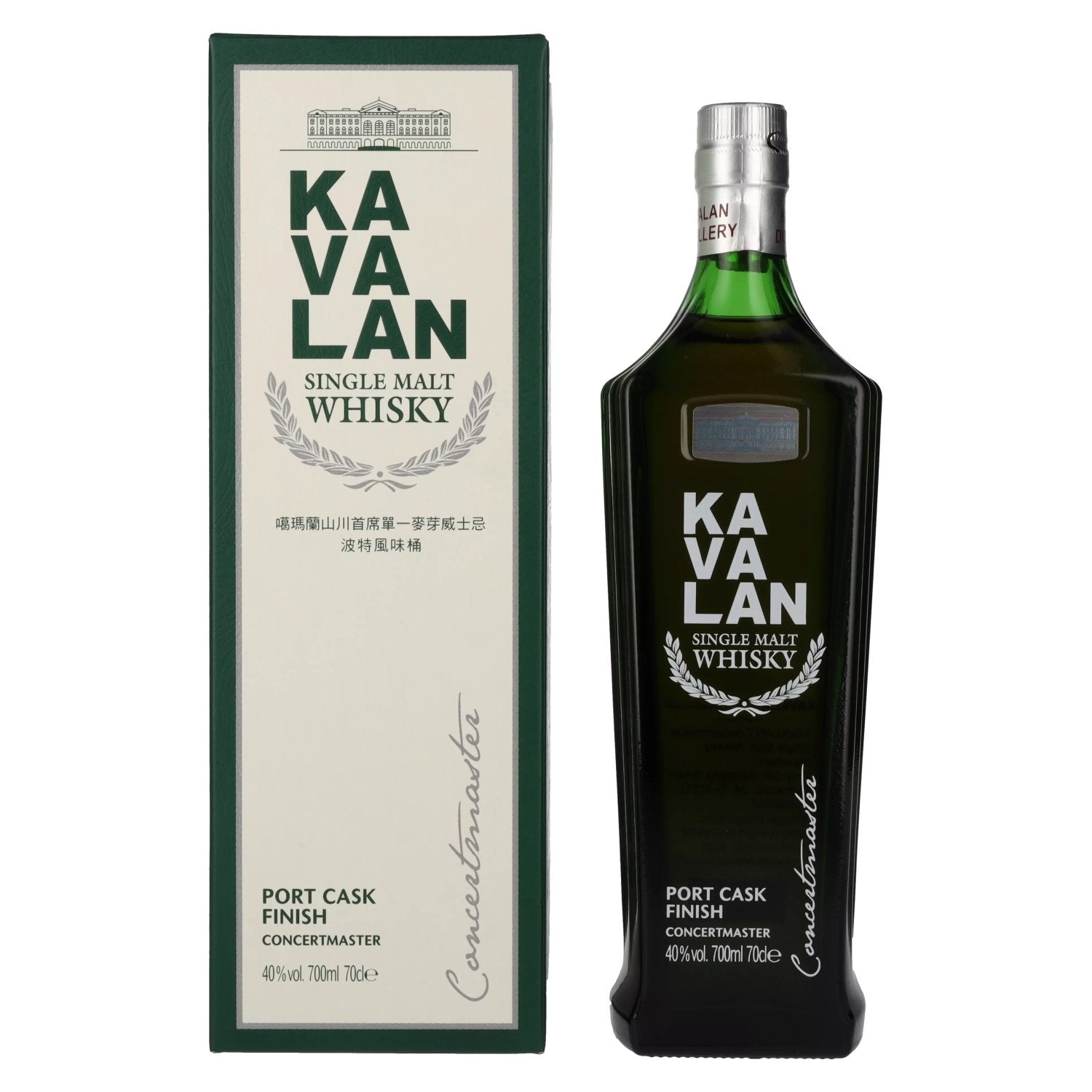
Kavalan Concertmaster Port Cask Finish — Taiwanese single malt combining American oak maturation with Portuguese port barriques.
-
Nomad Outland Sherry Cask Finish — a Scottish-origin blended whisky finished in Pedro Ximénez sherry casks in Jerez, Spain.
Each tells a different story about the relationship between whisky and wood.
Whether you're a curious beginner, a serious whisky collector, or searching for a gift with an interesting production story, understanding cask finishing makes choosing your next bottle much easier.
What Is a Whisky Cask Finish?
A cask finish is an additional period of maturation in a different barrel after the whisky's initial maturation.
It's also called secondary maturation or wood finishing.
During the first maturation period, whisky develops its underlying character through contact with wood.
The distillate can gain color, aroma, and flavor compounds while its character gradually changes over time.
A producer may then transfer the matured whisky into another cask — perhaps one that previously contained Caribbean rum, Portuguese port, or Spanish sherry.
The second barrel introduces another layer of complexity.
According to the Scotch Whisky Association, finishing is an extension of maturation in an emptied cask that previously held another wine or spirit.
The influence comes from the whisky's interaction with the wood rather than simply mixing the whisky with the previous drink.
How Cask Finishing Works
The process can be summarized in four stages.
1. Distillation
Whisky begins with a grain-based spirit, produced according to the traditions and regulations of its country of origin.
2. Primary maturation
The spirit spends time in oak casks, often previously used for bourbon.
These barrels can contribute vanilla, oak, caramel-like impressions, and spice.
3. Secondary maturation
The producer transfers the whisky into a selected finishing cask.
That second barrel may previously have matured rum, port, sherry, wine, or another permitted beverage.
4. Final selection and bottling
The distiller or blender determines when the whisky has reached the desired balance between its original character and the finishing cask.
The result should remain recognizably whisky while displaying additional complexity.
Does a Rum Cask Finish Mean Rum Is Added to Whisky?
No.
A rum-cask-finished whisky is not simply whisky mixed with rum.
Likewise, port-cask-finished whisky isn't made by pouring port wine into a finished bottle.
The whisky develops new characteristics through its contact with the previously used, emptied barrel.
This distinction is especially important when evaluating premium expressions: the craftsmanship lies in selecting the casks and balancing their influence.
Rum vs. Port vs. Sherry Cask Finishes: What's the Difference?
Different casks can encourage different flavor profiles, although the result also depends on the original whisky, the oak, the previous cask contents, and the duration of finishing.
| Cask Finish | Typical Flavor Direction | Common Tasting Impressions | Featured Whiskies |
|---|---|---|---|
| Rum cask | Tropical, rounded, aromatic | Banana, caramel, toffee, orange, honey, spice | Tullamore D.E.W., SLYRS |
| Port cask | Fruity, rich, rounded | Red berries, dried fruit, vanilla, honey, sometimes wine-like notes | West Cork, Kavalan |
| Sherry cask | Dried fruit, nutty, complex | Raisins, figs, dates, toasted nuts, spice | Nomad Outland |
These are tasting tendencies, not guaranteed ingredients.
A whisky with banana notes does not necessarily contain banana. A whisky with raisin aromas doesn't necessarily contain raisins.
The finishing process can create flavor associations through the complex interaction of oak, the previous cask contents, and the whisky.
Which Cask Finish Tastes Sweetest?
There is no universal winner.
Rum casks can create sweet tropical impressions.
Port casks often bring rich fruit notes.
Sherry casks may deliver nutty dryness or intense dried-fruit richness, depending on the sherry style.
Perceived sweetness is not the same as actual sugar content.
A whisky can smell like caramel or honey without containing those ingredients as flavor additives.
The best way to explore the difference is to compare expressions side by side.
1. Tullamore D.E.W. Rum Cask Finish — Irish Whiskey Meets Caribbean Rum
For whisky lovers who enjoy tropical fruit, caramel, and the character of classic Irish whiskey.
Ireland and the Caribbean may seem like unlikely partners.
But Tullamore D.E.W. Rum Cask Finish brings those two traditions together in one bottle.
This 43% ABV Irish whiskey is built on the classic Tullamore D.E.W. blend of grain, malt, and pot still whiskey.
The finishing process adds a distinctive Caribbean influence.
What Makes Tullamore D.E.W. Rum Cask Finish Special?
The producer identifies its expression as Tullamore D.E.W. XO Caribbean Rum Cask Finish.
According to the official Tullamore D.E.W. distillery, the whiskey is finished in casks previously used to mature Demerara rum from Guyana.
Demerara rum is associated with the historic sugar-producing region of Guyana.
The former rum casks contribute additional aromatic character to Tullamore's classic triple-distilled whiskey.
The result combines an approachable Irish whiskey foundation with fruity and sweet-spice impressions.
Tasting Notes
The producer highlights:
-
Banana: Ripe tropical-fruit character.
-
Caramel: Rounded sweetness.
-
Dates: Rich dried-fruit impressions.
-
Raisins: Additional fruit depth.
-
Gentle spice: Complementing the original whiskey.
Rather than tasting exactly like rum, the whiskey retains its Irish identity while developing a more tropical personality.
How to Enjoy Tullamore Rum Cask Finish
Start with a small neat pour to understand its original aroma.
Then try a few drops of water or one large ice cube.
Its fruit-forward profile also suits citrus cocktails.
Cocktail Recipe: Caribbean Irish Whiskey Sour
Ingredients for one cocktail:
-
45 ml Tullamore D.E.W. Rum Cask Finish
-
25 ml fresh lemon juice
-
15 ml simple syrup
-
Ice
-
Orange peel
Preparation:
-
Add the whiskey, lemon juice, and syrup to a shaker.
-
Fill with ice.
-
Shake until chilled.
-
Strain into a rocks glass over fresh ice.
-
Garnish with orange peel.
The acidity balances the whiskey's caramel and fruit aromas.
Food Pairings
Try it with grilled pineapple, roasted almonds, caramel desserts, or orange-infused dark chocolate.
Why Choose Tullamore D.E.W. Rum Cask Finish?
It's an appealing introduction to rum-cask finishing for whiskey enthusiasts who enjoy a recognizable Irish whiskey style.
The Demerara cask influence adds tropical complexity without removing the character that makes Tullamore D.E.W. familiar.
Best for: First-time cask-finish buyers, Irish whiskey enthusiasts, tropical-flavor lovers, and unusual whiskey gifts.
Discover Irish whiskey with a Caribbean accent — explore the caramel, banana, and dried-fruit character of Tullamore D.E.W. Rum Cask Finish.
SHOP TULLAMORE D.E.W. RUM CASK FINISH →
2. SLYRS Rum Cask Finish — Bavarian Single Malt with a Caribbean Accent
For whisky enthusiasts who appreciate small-batch German single malt, deeper oak character, and unusual international cask combinations.
Not every exceptional whisky comes from Scotland or Ireland.
Germany has developed its own single malt traditions, and SLYRS is one of the country's recognizable producers.
Based near Schliersee in Bavaria, SLYRS combines regional whisky production with experimental cask finishing.
Its Rum Cask Finish Single Malt Whisky is an excellent example of how a mature German whisky can develop additional complexity through Caribbean barrels.
What Makes SLYRS Rum Cask Finish Different?
According to the official SLYRS distillery, the single malt spends approximately five years maturing in American white oak casks.
It is then transferred to barrels that previously held premium Caribbean rum.
Some of the finishing casks previously contained rhum agricole, a rum style traditionally made from fresh sugarcane juice rather than molasses.
This creates an interesting connection between Bavarian malt whisky and the diverse rum-producing traditions of the Caribbean.
The expression is bottled at 46% ABV.
The featured MyDrinx presentation includes a gift box.
Tasting Notes
SLYRS provides a detailed tasting profile.
On the nose:
-
Caramel.
-
Beeswax.
-
Cedarwood.
-
Malt.
-
Chamomile.
On the palate:
-
Vanilla.
-
Toasted oak.
-
Orange.
-
Honey.
-
Subtle herbal notes.
On the finish:
Long, full-bodied, and gently woody.
The combination is more complex than simply adding tropical sweetness.
It combines aromatic wood, grain, fruit, and the character of the finishing barrels.
A Recognized German Whisky
SLYRS Rum Cask Finish received the title German Whisky of the Year 2023 at Meininger's International Spirits Award.
Awards don't determine personal taste, but they offer additional context for the expression's recognition within the spirits industry.
How to Enjoy SLYRS Rum Cask Finish
The producer recommends enjoying it neat.
Begin with a small measured pour in a whisky tasting glass.
Let it rest briefly, then explore its aromas before tasting.
Adding a few drops of water can be useful if you prefer a softer presentation of its 46% strength.
Cocktail Recipe: Bavarian Rum-Cask Old Fashioned
Ingredients for one cocktail:
-
45 ml SLYRS Rum Cask Finish
-
5 ml demerara syrup
-
2 dashes aromatic bitters
-
One large ice cube
-
Fresh orange peel
Preparation:
-
Combine whisky, syrup, and bitters in a mixing glass.
-
Add ice and stir until chilled.
-
Strain into a rocks glass over one large ice cube.
-
Express orange peel over the surface.
-
Garnish with the peel.
The restrained sweetness allows the vanilla, roasted oak, and orange notes to remain central.
Food Pairings
Try SLYRS with roasted nuts, aged cheese, honey-glazed dishes, or dark chocolate with orange.
Why Choose SLYRS Rum Cask Finish?
SLYRS offers a distinctive alternative to familiar Irish or Scottish whiskies.
Its Bavarian origin, American-oak maturation, Caribbean rum finish, and gift-box presentation make it particularly appealing to whisky collectors.
Best for: German whisky enthusiasts, premium gift buyers, single malt collectors, and experienced cask-finish drinkers.
Explore the exceptional meeting of Bavarian single malt and Caribbean rum casks with SLYRS Rum Cask Finish — a 46% whisky with remarkable aromatic depth.
SHOP SLYRS RUM CASK FINISH IN GIFT BOX →
3. West Cork Port Cask Finished — Irish Single Malt Meets Portuguese Wine
For whisky lovers who prefer dried fruit, warm spice, and a rounded port-cask influence.
Port wine is one of Portugal's most recognizable fortified wines.
Produced in the Douro region, port offers a broad range of styles, including fruit-driven ruby expressions and more oxidative tawny wines.
When whisky is finished in barrels that previously held port, the casks can contribute attractive fruit and oak characteristics.
West Cork Port Cask Finished Single Malt Irish Whiskey demonstrates that relationship beautifully.
What Makes West Cork Port Cask Finished Special?
West Cork Distillers is an independent Irish whiskey producer based in Skibbereen, County Cork.
Its cask-finish collection explores the effect of different barrels on single malt Irish whiskey.
According to West Cork Distillers, the Port Cask Finished expression:
-
Begins with Irish malted barley.
-
Is triple distilled.
-
Matures first in first-fill bourbon casks.
-
Receives additional maturation in Quinta da Boeira port casks from Portugal.
-
Is bottled at 43% ABV.
-
Is produced without added color and without chill filtration, according to the distillery.
The bourbon casks establish the whisky's initial character, while the port barrels add a richer fruit dimension.
What Does West Cork Port Cask Finished Taste Like?
The producer identifies:
Aromas:
-
Dried fruit.
-
Nutmeg.
-
Black pepper.
-
Vanilla.
-
Toffee.
Taste:
A pronounced fruit character with a sweet impression and balancing spice.
West Cork describes its Port Cask Finish as the sweetest-tasting expression in the relevant cask-finish collection.
That refers to its sensory character rather than guaranteeing added sugar.
How to Enjoy West Cork Port Cask Finished
Start neat, then try a few drops of water.
Its rounded fruit and spice profile also works well in classic whiskey cocktails.
Cocktail Recipe: Port-Cask Irish Whiskey Highball
Ingredients for one serving:
-
40 ml West Cork Port Cask Finished
-
100 ml chilled soda water
-
20 ml chilled cloudy apple juice
-
Ice cubes
-
Orange peel
Preparation:
-
Fill a tall glass with ice.
-
Add West Cork whiskey.
-
Pour in apple juice.
-
Top with soda water.
-
Stir gently and garnish with orange peel.
The apple complements the dried-fruit direction without requiring additional sweetener.
Food Pairings
Try West Cork with aged cheddar, roasted walnuts, dried figs, or dark chocolate.
Why Choose West Cork Port Cask Finished?
West Cork provides a clear example of how a port finish can change a whisky that began its maturation in bourbon barrels.
Its dried-fruit and warm-spice profile makes it accessible to drinkers interested in exploring wine-cask influence.
Best for: Port-cask beginners, Irish single malt enthusiasts, dried-fruit flavor lovers, and whisky tasting flights.
Discover the rich influence of Portuguese port barrels with West Cork Port Cask Finished — an Irish single malt combining bourbon-cask character with dried fruit and spice.
SHOP WEST CORK PORT CASK FINISHED →
4. Kavalan Concertmaster Port Cask Finish — Taiwanese Whisky with Portuguese Port Character
For whisky collectors interested in tropical maturation, rich fruit, and a distinctive Asian single malt.
Whisky production is no longer defined by a handful of traditional countries.
Taiwan has become an important part of the international single malt conversation, largely through the success of Kavalan Distillery.
Located in Yilan County, Kavalan produces whisky in a subtropical climate, where maturation conditions differ significantly from those in Scotland.
Its Concertmaster Port Cask Finish combines this Taiwanese whisky character with Portuguese port casks.
What Makes Kavalan Concertmaster Special?
Kavalan was established by the King Car Group and began distilling in 2006.
The distillery has developed an international reputation for expressive single malts and innovative cask selection.
According to Kavalan's product information, Concertmaster is:
-
Initially matured in selected American oak casks.
-
Finished in Portuguese port wine barriques.
-
Developed using the influence of ruby, tawny, and vintage port casks.
-
Bottled at 40% ABV.
-
Presented in a gift box in the featured MyDrinx edition.
The combination is designed to create a whisky with rounded fruit, complexity, and a distinctive port-influenced finish.
Tasting Notes
Kavalan identifies a rich aromatic profile featuring:
-
Tropical fruit.
-
Honey.
-
Vanilla.
-
Coconut.
-
Candyfloss-like sweetness.
-
A full-bodied, rounded palate.
The producer describes the color as brownish red.
It's a useful example of how port finishing can complement an already expressive tropical single malt rather than simply making whisky taste like European red wine.
Does Taiwan's Climate Affect Whisky Maturation?
Yes, maturation conditions can significantly influence the interaction between whisky and wood.
Temperature fluctuations, humidity, cask construction, and warehouse conditions all affect maturation.
Kavalan's subtropical environment is an important part of the brand's distilling identity.
However, warmer maturation does not create a simple equivalence such as “one year in Taiwan equals three years in Scotland.”
Climate is one factor among many.
How to Enjoy Kavalan Concertmaster
For a first tasting, serve it neat in a suitable whisky glass.
Its fruit and vanilla aromas are worth exploring before adding mixers.
A few drops of water may change how the whisky presents itself.
Cocktail Recipe: Concertmaster Honey & Orange Old Fashioned
Ingredients for one cocktail:
-
45 ml Kavalan Concertmaster Port Cask Finish
-
5 ml diluted honey syrup
-
2 dashes aromatic bitters
-
One large ice cube
-
Fresh orange peel
Preparation:
-
Add whisky, honey syrup, and bitters to a mixing glass.
-
Fill with ice and stir until chilled.
-
Strain into a rocks glass over one large ice cube.
-
Express orange peel over the drink.
-
Garnish with the peel.
Use the honey syrup sparingly to preserve Kavalan's original tropical fruit and vanilla character.
Food Pairings
Kavalan Concertmaster pairs well with dried fruit, dark chocolate, roasted nuts, and mature cheeses.
Why Choose Kavalan Concertmaster?
It combines the story of Taiwanese whisky-making with a distinctive Portuguese port-cask finish.
Its tropical fruit and honey character makes it especially attractive to enthusiasts who enjoy expressive single malts.
The gift-box presentation also adds appeal for collectors.
Best for: Taiwanese whisky discovery, port-finish enthusiasts, premium gifting, and international single malt collections.
Discover the distinctive harmony of Taiwanese single malt and Portuguese port casks with Kavalan Concertmaster — a rich, fruit-forward whisky with elegant gift-box presentation.
SHOP KAVALAN CONCERTMASTER PORT CASK FINISH →
5. Nomad Outland Sherry Cask Finish — Born in Scotland, Raised in Jerez
For whisky enthusiasts who appreciate raisins, honey, dried fruit, and the influence of Spanish sherry barrels.
Few whiskies tell a story quite like Nomad Outland.
Its identity is built around a journey between two countries with different but deeply established spirits traditions.
The whisky begins in Scotland.
Its final maturation takes place in Jerez, Spain — one of the world's most famous centers of sherry production.
The brand describes this approach with a memorable phrase:
“Born in Scotland, raised in Jerez.”
What Makes Nomad Outland Different?
Nomad is associated with González Byass, the historic Spanish sherry producer, and Scottish whisky expertise from Whyte & Mackay.
According to González Byass, the expression is made from a blend of approximately 30 malt and grain whiskies originating in Scotland.
The components have an average age of six years before their additional maturation.
The resulting whisky then spends at least one year in old Pedro Ximénez sherry casks in Jerez.
The product is bottled at 41.3% ABV.
Why Is the Jerez Finish Important?
Many sherry-finished whiskies are matured in sherry-seasoned casks transported to the whisky-producing country.
Nomad follows a different approach.
The whisky travels to the location of the sherry producer and undergoes its additional maturation in González Byass's cellars.
Jerez's conditions and the former Pedro Ximénez barrels contribute to its distinctive character.
This makes Nomad an interesting example of how whisky maturation can cross geographic traditions.
What Is Pedro Ximénez Sherry?
Pedro Ximénez, commonly abbreviated PX, is a grape variety associated with some of the richest sweet sherries produced in southern Spain.
PX sherry is often characterized by dried fruit, raisin, fig, and concentrated sweetness.
Casks previously used for this style of sherry can contribute corresponding aromatic impressions to whisky.
Nomad's original expression uses PX casks, so it should not be confused with the separate Nomad Reserve Triple Cask expression, which has a different maturation process involving Oloroso casks.
Tasting Notes
The official producer describes:
On the nose:
-
Malt.
-
Wood.
-
Pedro Ximénez sherry-like aromas.
On the palate:
-
Raisins.
-
Honey.
-
Smooth, rounded whisky character.
On the finish:
-
Vanilla.
-
Dried fruit.
-
A long, elegant aftertaste.
The flavor is richer and more dried-fruit-oriented than the tropical notes typically associated with rum cask finishing.
How to Enjoy Nomad Outland
Nomad is particularly interesting as a neat tasting whisky.
Start with a small pour and explore its dried-fruit aromas.
A few drops of water can provide another perspective on its balance.
Cocktail Recipe: Jerez Raisin Old Fashioned
Ingredients for one cocktail:
-
45 ml Nomad Outland Sherry Cask Finish
-
5 ml simple syrup
-
2 dashes aromatic bitters
-
One large ice cube
-
Fresh orange peel
Preparation:
-
Combine whisky, syrup, and bitters in a mixing glass.
-
Add ice and stir until chilled.
-
Strain into a rocks glass over one large ice cube.
-
Express orange peel over the drink.
-
Garnish with the peel.
The restrained recipe allows the whisky's raisin, honey, and sherry-cask character to remain prominent.
Food Pairings
Try Nomad with dried figs, dark chocolate, roasted walnuts, or aged Manchego cheese.
Why Choose Nomad Outland?
Nomad offers one of the most distinctive maturation stories in this selection.
Its journey from Scotland to Jerez connects traditional Scottish blending with the Spanish sherry-cask heritage of González Byass.
For enthusiasts who enjoy PX sherry notes, it offers a compelling tasting experience.
Best for: Sherry-cask enthusiasts, Spanish spirits collectors, dried-fruit flavor lovers, and whisky discovery.
Discover the extraordinary Scotland-to-Jerez maturation story of Nomad Outland — a distinctive whisky shaped by Pedro Ximénez sherry casks.
VIEW NOMAD OUTLAND & REQUEST RESTOCK NOTIFICATION →
Currently listed as sold out at MyDrinx. Visit the product page for the latest availability and restock notification option.
Rum Cask vs. Port Cask vs. Sherry Cask: Which Should You Choose?
Each finishing style creates a different tasting experience.
The best choice depends on whether you prefer tropical fruit, rich berries, or dried-fruit complexity.
Choose a Rum Cask Finish If You Like...
Caramel, banana, orange, honey, vanilla, and tropical aromas.
Recommended expressions:
-
Tullamore D.E.W. Rum Cask Finish for approachable Irish whiskey character.
-
SLYRS Rum Cask Finish for a more distinctive Bavarian single malt experience.
Choose a Port Cask Finish If You Like...
Dried fruit, berries, vanilla, honey, and a rounded, wine-influenced whisky profile.
Recommended expressions:
-
West Cork Port Cask Finished for classic Irish single malt with port influence.
-
Kavalan Concertmaster for expressive Taiwanese whisky with a richer tropical-fruit dimension.
Choose a Sherry Cask Finish If You Like...
Raisins, figs, honey, toasted nuts, vanilla, and aromatic spice.
Recommended expression:
-
Nomad Outland for Pedro Ximénez sherry-cask character and an unusual Scotland-to-Jerez story.
Five Cask-Finished Whiskies at a Glance
| Whisky | Country | Finish | ABV | Ideal Buyer |
|---|---|---|---|---|
| Tullamore D.E.W. Rum Cask Finish | Ireland | Demerara rum | 43% | First-time rum-finish explorer |
| SLYRS Rum Cask Finish | Germany | Caribbean rum | 46% | German single malt collector |
| West Cork Port Cask Finished | Ireland | Quinta da Boeira port | 43% | Fruit-forward Irish whiskey enthusiast |
| Kavalan Concertmaster Port Cask Finish | Taiwan | Portuguese port | 40% | International single malt collector |
| Nomad Outland Sherry Cask Finish | Scotland / Spain | Pedro Ximénez sherry | 41.3% | Sherry-finish enthusiast |
How to Organize a Whisky Cask Finish Tasting
A comparison tasting is one of the best ways to understand barrel finishing.
You don't need special equipment beyond suitable tasting glasses, clean water, and a little time.
Step 1: Choose Three Contrasting Finishes
Select one rum-cask whisky, one port-cask whisky, and one sherry-cask whisky.
For example:
-
Tullamore D.E.W. Rum Cask Finish.
-
West Cork Port Cask Finished.
-
Nomad Outland Sherry Cask Finish, when available.
Step 2: Pour Small Samples
Use approximately 15–20 ml per sample rather than full measures.
The aim is comparison, not quantity.
Step 3: Compare the Aromas
Start by smelling each whisky gently.
Look for recognizable differences:
-
Tropical fruit and caramel.
-
Berry and wine-like fruit impressions.
-
Raisins, nuts, and dried-fruit richness.
Step 4: Taste Slowly
Take small sips and let the whisky rest briefly on the palate.
Notice texture, spice, sweetness, and the length of the finish.
Step 5: Add a Few Drops of Water
A small amount of water can change how aromas appear.
Try comparing the whisky before and after dilution.
Step 6: Record Your Preferences
You may discover that the country of origin matters less to your personal preference than the finishing cask.
Or you might prefer the distillery's original style regardless of the secondary maturation.
Both are useful discoveries.
Common Myths About Cask-Finished Whisky
Myth 1: Rum-Finished Whisky Contains Rum
Not necessarily. Cask finishing means the whisky spends time in an emptied barrel previously used for rum. It isn't the same as blending rum into the whisky.
Myth 2: Port Cask Finishing Always Makes Whisky Sweeter
Port casks can create stronger fruit and perceived-sweetness impressions, but the outcome depends on many factors.
The finish does not guarantee measurable sugar content.
Myth 3: Every Sherry Cask Produces the Same Flavor
Sherry styles differ substantially.
Oloroso can produce nutty, oxidative impressions, while Pedro Ximénez is associated with richer dried-fruit sweetness.
The cask itself, its seasoning, and the length of whisky maturation also matter.
Myth 4: A Longer Finish Is Always Better
There is no universal ideal finishing period.
The distiller's goal is balance.
A longer finish can create more pronounced wood influence, but too much of it may overwhelm the original whisky's personality.
Myth 5: Cask-Finished Whisky Is Only for Collectors
Many expressions are accessible to people beginning to explore whisky.
Tullamore D.E.W. and West Cork are especially useful starting points because their cask influences are easy to discuss and compare.
Frequently Asked Questions About Whisky Cask Finishes
What does cask finish mean in whisky?
Cask finishing is an additional maturation stage in which whisky moves into a different barrel after its initial maturation, allowing the second cask to contribute new aromas and flavors.
What is the difference between maturation and finishing?
Primary maturation develops the whisky's core character, while finishing adds an additional period in another cask to adjust or enhance its profile.
Does rum cask whisky contain rum?
A rum-cask finish does not mean rum is deliberately mixed into the whisky. The effect comes from maturation in a barrel previously used for rum.
What does rum cask finish taste like?
Rum casks can contribute tropical fruit, banana, caramel, toffee, orange, and aromatic spice impressions.
What is Demerara rum cask finishing?
It refers to finishing whisky in barrels previously used to mature rum associated with Guyana's Demerara region, as seen in Tullamore D.E.W. XO Caribbean Rum Cask Finish.
What makes SLYRS Rum Cask Finish different?
SLYRS begins with Bavarian single malt matured in American oak and finishes it in Caribbean rum casks, including some formerly used for rhum agricole.
What does port cask finish add to whisky?
Port casks commonly contribute richer fruit aromas, dried berries, vanilla, and rounded wine-influenced impressions.
Is port cask whisky sweet?
It may taste sweeter or fruitier, but perceived sweetness isn't proof of added sugar.
What port casks does West Cork use?
West Cork identifies Quinta da Boeira port casks as the finishing barrels for its Port Cask Finished single malt.
What port casks are used for Kavalan Concertmaster?
Kavalan identifies Portuguese ruby, tawny, and vintage port casks as contributing to Concertmaster's finishing profile.
What does sherry cask whisky taste like?
Sherry casks may contribute raisins, figs, dried fruit, nuts, chocolate, and spice. The exact profile depends on the sherry type and cask history.
What is Pedro Ximénez whisky?
It usually refers to whisky matured or finished in casks previously used for Pedro Ximénez sherry, which is associated with rich dried-fruit character.
Where is Nomad Outland whisky finished?
Nomad begins with Scottish whiskies and undergoes additional maturation in Pedro Ximénez sherry casks in Jerez, Spain.
Is cask-finished whisky better than regular whisky?
Not necessarily. Finishing creates a different flavor profile, but quality depends on the original whisky, cask selection, and balance.
What is the best cask finish for beginners?
Rum and port finishes can be approachable starting points. Tullamore D.E.W. Rum Cask Finish and West Cork Port Cask Finished are good examples to explore.
How should I drink cask-finished whisky?
Start with a small neat pour, then experiment with a few drops of water. Cocktails can also work when they complement the whisky's existing flavors.
Where can I buy rum, port, and sherry cask-finished whisky online?
Explore Tullamore D.E.W., SLYRS, West Cork, Kavalan Concertmaster, and Nomad Outland at MyDrinx.shop. Availability and shipping eligibility vary by product.
Discover How the Final Barrel Changes Everything
A finishing cask can turn a familiar whisky into something unexpected.
Tullamore D.E.W. Rum Cask Finish brings Caribbean Demerara character into Irish whiskey.
SLYRS Rum Cask Finish combines Bavarian single malt with selected Caribbean rum barrels.
West Cork Port Cask Finished adds Portuguese wine-cask influence to Irish single malt.
Kavalan Concertmaster pairs Taiwanese whisky-making with a rich Portuguese port-cask finish.
Nomad Outland connects Scottish whisky traditions with Pedro Ximénez sherry maturation in Jerez.
Five whiskies. Three finishing styles. Five different expressions of oak, origin, and flavor.
Whether you're comparing cask types for the first time, selecting a whisky gift, or discovering a new bottle for your collection, understanding the finishing process helps you make a more informed choice.
The whisky begins its story in one barrel. Sometimes, the final chapter changes everything.
EXPLORE PREMIUM WHISKY AT MYDRINX →
Sources & Further Reading
-
Scotch Whisky Association — Scotch Whisky FAQs — Official definition of cask finishing and Scotch whisky maturation.
-
Scotch Whisky Association — Allowable Casks — Rules concerning maturation and finishing casks.
-
The Whisky Exchange — What Is Cask Finishing? — Technical explanation of secondary maturation and flavor influence.
-
Tullamore D.E.W. — XO Caribbean Rum Cask Finish — Demerara rum barrels and official tasting notes.
-
SLYRS — Rum Cask Finish — Bavarian single malt maturation and rum casks.
-
West Cork Distillers — Single Malt Cask Finishes — First-fill bourbon maturation, Quinta da Boeira port casks, and tasting notes.
-
Kavalan — Concertmaster Port Cask Finish — American oak and Portuguese port-barrique maturation.
-
González Byass — Nomad Outland Whisky — Scottish origin, Jerez finishing, Pedro Ximénez barrels, and official tasting notes.
-
Sherry Wines — Sherry Casks and Scotch Whisky — Sherry seasoning traditions and their influence on whisky.