
The most interesting gin shelf is rarely the one filled only with bottles everyone already knows.
Across Europe, smaller producers and creative distilleries are taking gin in very different directions: Belgian gin built around blue fig and luxurious bottle design, German craft gin inspired by Japanese botanicals, organic Slovenian gin with citrus and spice, and an Austrian Vienna Dry Gin connected to the artistic world of Gustav Klimt.
These rare European gins are not necessarily rare because only a handful of bottles exist. What makes them worth discovering is their combination of regional identity, unusual botanicals, craftsmanship and distinctive presentation.
In this guide, we compare four European gin discoveries from Amuerte, Momotaro, Svarog and Wien Gin, with tasting profiles, easy serving ideas and practical advice on which bottle to choose.
For more unusual bottles, serving inspiration and premium European spirits, explore the MyDrinx Rare European Spirits Pinterest board.
Explore the Rare European Spirits Pinterest board
Looking beyond gin? Our broader MyDrinx guide covers herbal liqueurs, aperitivos, digestifs, brandies and other regional bottles from across Europe.
Read Rare European Spirits Worth Discovering in 2026
Quick Summary
Looking for an unusual European gin? Start here:
-
Amuerte Coca Gin Blue Edition — best for dramatic presentation, blue fig character and premium gifting.
-
Momotaro Craft Gin — best for peach, yuzu, sakura and Sencha tea.
-
Svarog Gin Citra — best for organic Slovenian craft gin with citrus, cardamom and lavender.
-
Wien Gin Gustav Klimt Edition — best for floral Austrian gin, art lovers and Vienna-inspired gifting.
Rare European Gin Comparison
| Gin | Country | Key Botanicals & Style | Best For |
|---|---|---|---|
| Amuerte Blue Edition | Belgium | Blue fig, juniper, herbs | Statement bottle & gifting |
| Momotaro Craft Gin | Germany | Peach, yuzu, sakura, Sencha tea | Unusual botanicals |
| Svarog Gin Citra | Slovenia | Citrus, cardamom, coriander, lavender | Organic craft gin |
| Wien Gin Gustav Klimt Edition | Austria | Lavender, elderflower, herbs, citrus | Art-inspired gifting |
Under European Union rules, gin must be a juniper-flavoured spirit made from agricultural alcohol, with juniper remaining the predominant taste. Gin must also contain at least 37.5% alcohol by volume.
That legal definition leaves plenty of room for creativity — and these four bottles show how differently European producers can interpret the category.
What Makes a European Gin Worth Discovering?
An unusual gin does not need to be a numbered collector’s edition.
A bottle can stand out because of:
-
unusual botanicals;
-
distinctive regional origin;
-
small-scale production;
-
organic ingredients;
-
unusual bottle design;
-
cultural or artistic inspiration;
-
limited availability outside its home market.
That distinction matters.
Amuerte Blue Edition belongs to Amuerte’s permanent collection rather than being a limited release, but its blue-fig profile and gold-detailed bottle make it highly distinctive.
Momotaro is German-made but shaped around Japanese ingredients and aesthetics.
Svarog reflects Slovenia’s smaller craft-distilling scene.
Wien Gin turns Vienna and Gustav Klimt into both an aromatic and visual concept.
1. Amuerte Coca Gin Blue Edition — Best Statement Gin
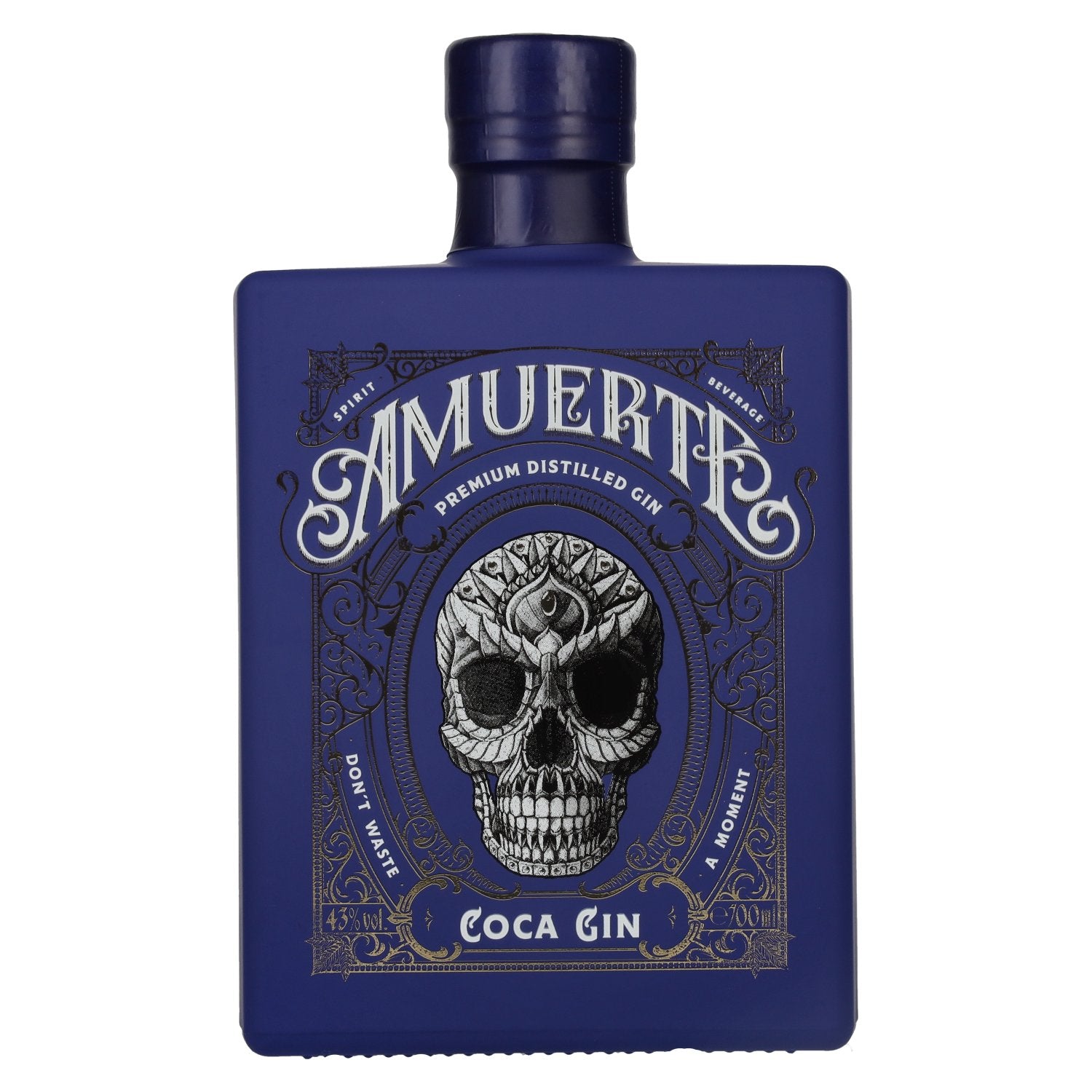
Few gin bottles make an entrance like Amuerte Coca Gin Blue Edition 43% Vol. 0.7L.
Produced in Belgium, Amuerte Blue combines the brand’s signature gin style with blue fig, bringing a softer fruit character into a juniper-led botanical spirit.
The official Amuerte profile describes the gin as complex and balanced, with fig sweetness supported by herbal bitterness, balsamic notes, citrus and juniper.
The bottle is equally distinctive.
Amuerte Blue is presented in a matte dark-blue bottle decorated with gold filigree and finished with 24-carat gold leaves.
What Does Amuerte Blue Taste Like?
Expect:
-
ripe fig;
-
gentle sweetness;
-
juniper;
-
herbal and balsamic notes;
-
citrus;
-
balanced bitterness;
-
a warm, persistent finish.
Blue fig gives the expression its defining personality.
Instead of moving mainly toward lemon or dry juniper, the gin feels rounder and fruitier while retaining enough herbal character to remain recognizably gin.
Easy Serve: Amuerte Blue & Tonic
The brand itself recommends a straightforward serve:
-
50 ml Amuerte Blue
-
150 ml neutral tonic water
-
Plenty of ice
-
Fresh fig
A neutral tonic works particularly well because there is already plenty happening inside the gin.
Using an intensely flavored tonic risks hiding the blue fig that makes the bottle interesting in the first place.
Alternative Serve: Blue & Ginger Beer
Amuerte also suggests pairing Blue Edition with ginger beer.
The spice makes the drink warmer and more assertive while the fig keeps it rounded.
Serve over plenty of ice and garnish with fresh fig.
Try It Neat First
Before adding tonic, pour a small measure neat.
This gives you a better sense of the blue fig, juniper and herbal bitterness before carbonation and quinine change the profile.
Best For
Choose Amuerte Blue for:
-
luxury gin gifts;
-
statement home bars;
-
unusual Belgian spirits;
-
bottle-design enthusiasts;
-
fig lovers;
-
dinner-party gifts;
-
collectors focused on visual presentation;
-
gin drinkers who already own mainstream premium brands.
Its strength as a gift is simple: the bottle creates interest before the recipient has even tasted the gin.
Choose a gin designed to be noticed before it is poured — with Belgian craftsmanship, blue fig and one of the most distinctive bottles in modern European gin.
Shop Amuerte Coca Gin Blue Edition 43% at MyDrinx
2. Momotaro Craft Gin — Best for Japanese-Inspired Botanicals

Momotaro Craft Gin 42% Vol. 0.5L takes European gin in a completely different direction.
It is produced in Germany by Destille Kaltenthaler, but its aromatic inspiration comes from Japan.
The name refers to Momotaro, the famous Japanese folktale of the “peach boy.”
That peach connection carries directly into the botanical recipe.
Momotaro uses:
-
juniper;
-
Momo peach;
-
yuzu;
-
sakura cherry blossom;
-
Sencha tea.
The producer gives the hand-selected botanicals time to develop during maceration before using a slow and gentle distillation process.
What Does Momotaro Taste Like?
The style is fresh, delicate and fruit-driven.
Momo peach brings soft fruit.
Yuzu adds highly aromatic citrus.
Sakura contributes a floral dimension.
Sencha tea gives the gin a subtle green, tea-like character.
Juniper keeps the spirit grounded in the gin category.
The result is very different from a conventional London Dry.
Easy Serve: Momotaro & Dry Tonic
Try:
-
50 ml Momotaro Craft Gin
-
100–120 ml dry tonic
-
Plenty of ice
-
Orange or grapefruit peel
The producer’s own serving guidance also favors a straightforward Gin & Tonic structure, allowing the gin’s fruit and citrus to remain noticeable.
Avoid over-garnishing.
There is no need to add peach, yuzu, flowers and herbs simultaneously when the gin already contains those elements.
Momotaro Soda Highball
For something lighter:
-
40 ml Momotaro Gin
-
Chilled soda water
-
Ice
-
Grapefruit peel
-
Thin peach slice, optional
Soda removes the extra bitterness and sweetness of tonic, making the tea and floral notes easier to notice.
Best For
Choose Momotaro for:
-
fans of Japanese flavors;
-
peach lovers;
-
yuzu enthusiasts;
-
tea drinkers;
-
New Western gin fans;
-
modern cocktail bars;
-
unusual gin gifts;
-
anyone looking beyond classic London Dry styles.
Momotaro also works particularly well in a tasting flight because its peach-yuzu-tea profile is easy to distinguish from more conventional European gin.
Bring peach, yuzu, sakura and Sencha into the gin glass with a German craft spirit inspired by Japanese flavor and finesse.
Shop Momotaro Craft Gin 42% at MyDrinx
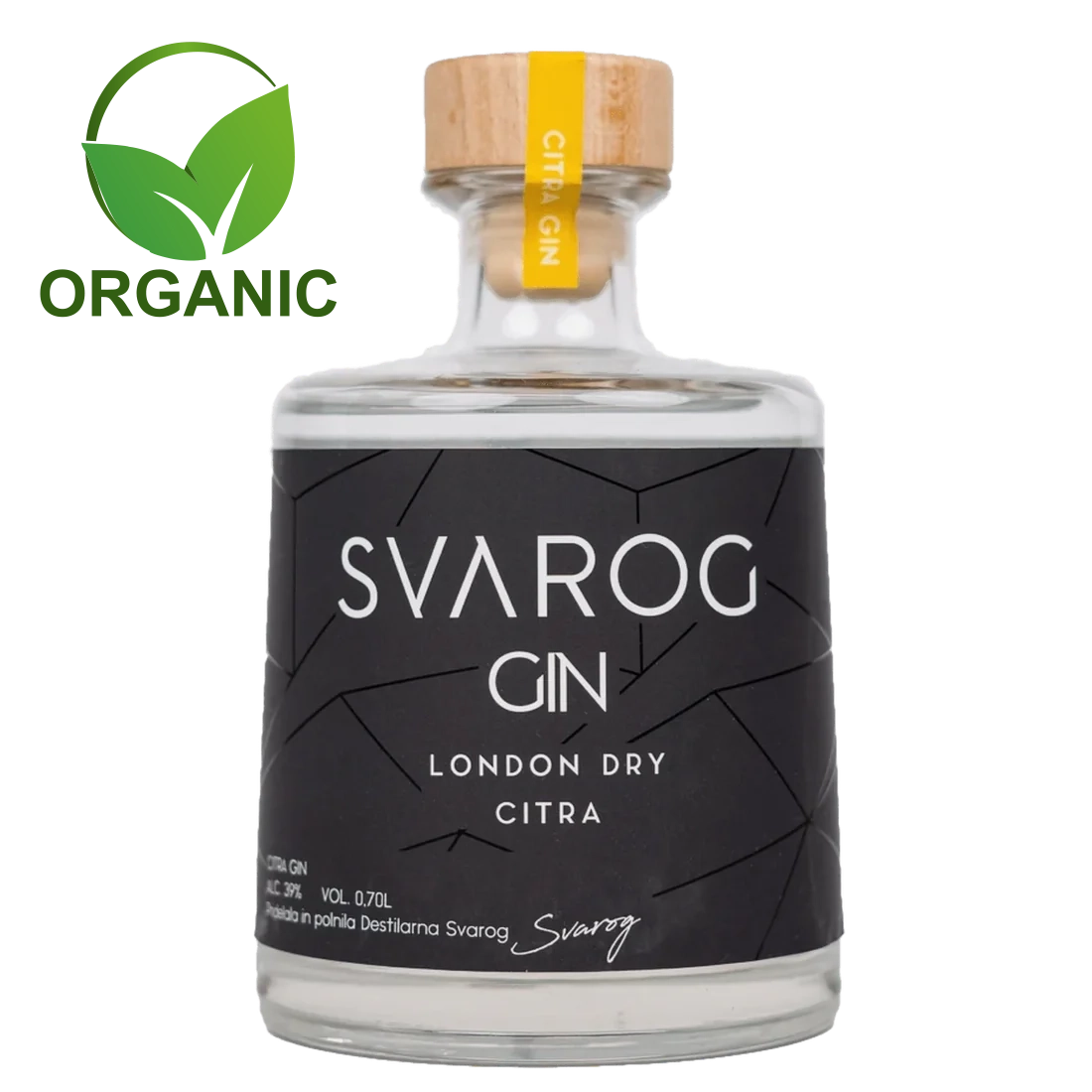
3. Svarog Gin Citra — Best Organic Slovenian Craft Gin

For a more regional European craft story, look to Slovenia.
Svarog Gin Citra 39% Vol. 0.7L is produced by Svarog Distillery, a family-run distillery from Maribor.
The current MyDrinx expression is listed as a certified organic gin made from organic spirit and natural botanicals using traditional copper distillation.
The botanical profile includes:
-
juniper berries;
-
citrus peel;
-
cardamom;
-
coriander;
-
lavender.
How Svarog Gin Citra Is Made
The current production description outlines several stages.
The botanicals first macerate in alcohol for approximately 12–24 hours, allowing aroma and flavor to develop.
The spirit then undergoes slow distillation in copper alembics.
After distillation, the gin rests for several weeks to allow the botanical profile to settle and balance before bottling.
The official Maribor tourism authority also describes Svarog as a young family distillery led by Lidija and Bojan Lunežnik and highlights its use of carefully selected natural ingredients.
Gin Citra is among the Svarog products carrying the regional Our Finest certificate.
What Does Gin Citra Taste Like?
Expect:
-
fresh citrus;
-
classic juniper;
-
aromatic spice;
-
cardamom;
-
coriander;
-
subtle lavender.
This makes Gin Citra more classically structured than Amuerte or Momotaro.
The distinction comes from its balance of citrus, spice and floral character rather than one dominant exotic fruit.
Easy Serve: Slovenian Citrus G&T
Try:
-
50 ml Svarog Gin Citra
-
120–150 ml classic tonic
-
Plenty of ice
-
Grapefruit or lemon peel
A neutral tonic keeps the citrus and cardamom visible.
Gin Citra & Soda
For an even cleaner drink:
-
50 ml Gin Citra
-
Chilled soda water
-
Ice
-
Lemon peel
-
One lightly crushed cardamom pod, optional
Soda exposes more of the botanical structure and works especially well when tasting the gin for the first time.
Why Slovenian Gin Is Worth Exploring
Slovenia is internationally better known for wine, mineral water and fruit spirits than for large-scale gin production.
That is part of the appeal.
Adding a bottle from a smaller regional distillery makes a European gin shelf feel more curated than simply buying another expression from one of the category’s dominant markets.
Best For
Choose Svarog Gin Citra for:
-
Slovenian spirits discovery;
-
organic gin enthusiasts;
-
European craft-gin collections;
-
citrus gin drinkers;
-
classic G&T fans;
-
people who prefer botanical balance to intense fruit flavor;
-
regional spirits gifts.
Add a family-run Slovenian distillery to the gin shelf with organic botanicals, citrus, spice and traditional copper distillation.
Shop Svarog Gin Citra 39% at MyDrinx
4. Wien Gin Gustav Klimt Edition — Best for Art Lovers

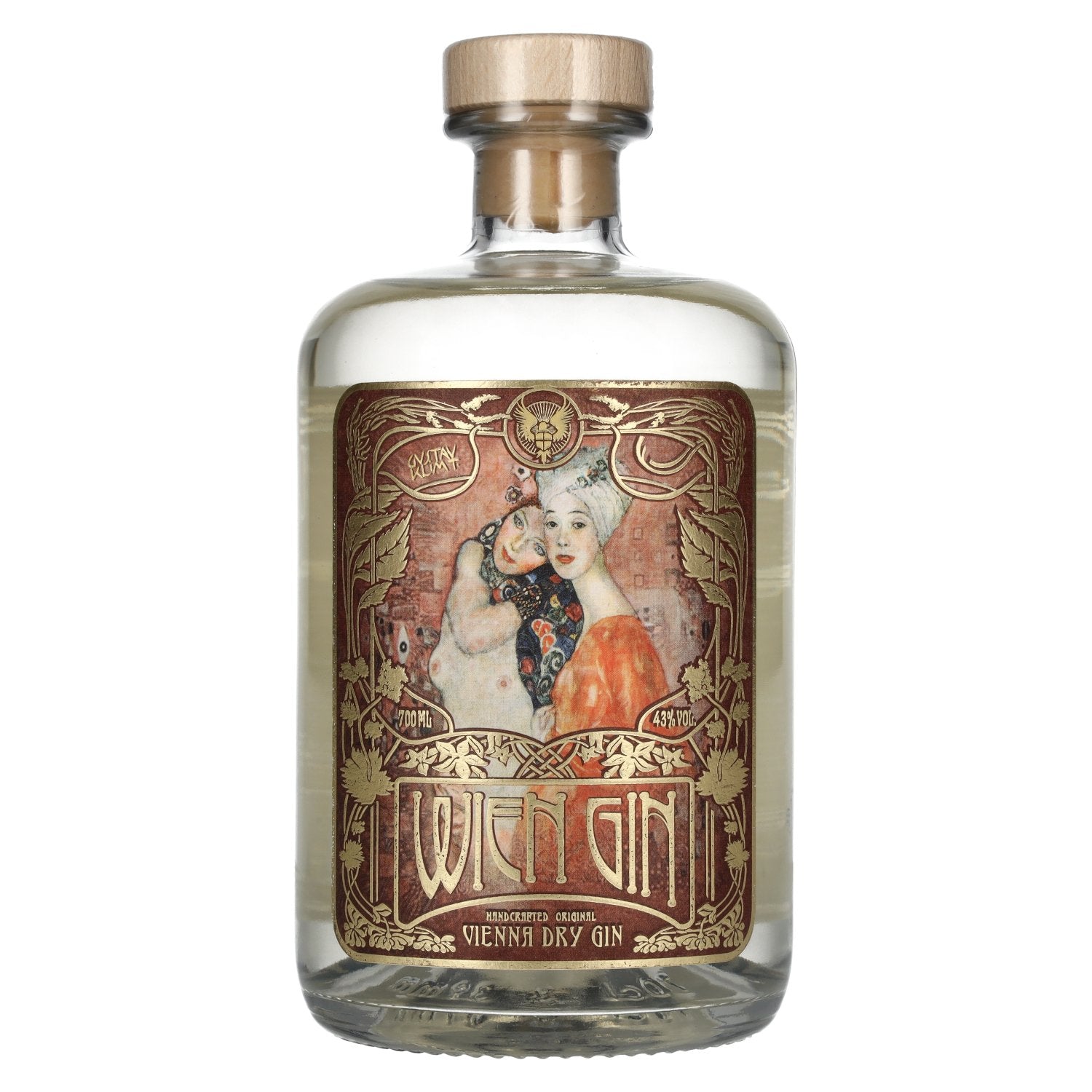
Gin, Vienna and fine art come together in Wien Gin Gustav Klimt Edition Vienna Dry Gin 43% Vol. 0.7L.
The expression is produced through a collaboration between Reisetbauer and Kesselbrüder, with production and bottling taking place at the Reisetbauer distillery in Upper Austria.
Its inspiration, however, belongs unmistakably to Vienna.
Klimt WienGin is presented as a tribute to the golden atmosphere of Vienna around 1900 and the sensual visual language of Gustav Klimt.
A Floral, Vienna-Inspired Botanical Profile
The official producer describes the gin as being made with 12 concentrated herbs and flowers.
Highlighted botanicals include:
-
elderflower;
-
St John’s wort;
-
nettle;
-
lady’s mantle;
-
lavender.
The MyDrinx product profile also highlights classic supporting botanicals such as:
-
juniper;
-
lemon zest;
-
angelica;
-
coriander;
-
violet root.
Together, they create a floral-herbal gin rather than an aggressively dry juniper bomb.
What Does Klimt WienGin Taste Like?
The producer describes:
Nose:
Lavender and aromatic florals.
Palate:
Soft texture, delicate sweetness, nutty notes and refreshing spice.
Finish:
Elderflower, citrus and deeper herbal tones.
It is a particularly appealing style for drinkers who enjoy aromatic gin with strong floral detail.
Easy Serve: Klimt Gin & Tonic
Try:
-
50 ml Klimt WienGin
-
Dry tonic water
-
Plenty of ice
-
Grapefruit peel
The grapefruit provides citrus without overwhelming the lavender and elderflower.
Grapefruit Highball
For something more expressive:
-
40 ml Klimt WienGin
-
Pink grapefruit mixer
-
Ice
-
Lime
-
Red currants
The grapefruit bridges the floral, herbal and citrus elements naturally.
Why It Works as a Gift
This is an obvious bottle for someone whose interests extend beyond spirits.
Choose it for:
-
Gustav Klimt fans;
-
art lovers;
-
Vienna enthusiasts;
-
Austrian gin collectors;
-
premium birthdays;
-
housewarming gifts;
-
design-led home bars;
-
collectors of unusual bottle art.
The visual identity gives the bottle meaning even before the gin is poured.
Choose a bottle where Vienna, contemporary distilling and Gustav Klimt meet in one distinctly Austrian gin.
Shop Wien Gin Gustav Klimt Edition 43% at MyDrinx
Which Rare European Gin Should You Buy?
The easiest way to choose is by personality.
Choose Amuerte Blue for Visual Impact
Best when:
-
bottle design matters;
-
you enjoy fig;
-
premium presentation is important;
-
you want something immediately memorable.
Choose Momotaro for Unusual Botanicals
Best when:
-
peach and yuzu appeal to you;
-
Japanese flavors are interesting;
-
tea and floral notes sound more exciting than a conventional London Dry.
Choose Svarog Gin Citra for Regional Craft
Best when:
-
organic ingredients matter;
-
you want to discover Slovenian gin;
-
citrus and classic juniper remain important;
-
you prefer balanced botanicals to dramatic fruit flavor.
Choose Wien Gin Klimt Edition for Art & Vienna
Best when:
-
the recipient loves Klimt or Vienna;
-
floral gin is appealing;
-
gifting is important;
-
bottle presentation matters.
There is no single best rare European gin.
The better question is what flavor — and what story — you want the bottle to bring to your home bar.
Four European Gins, Four Botanical Directions
The headline flavor profiles make the differences easy to understand.
Fig & Herbs — Amuerte Blue
Sweet fig, juniper, herbs and balanced bitterness.
Peach, Yuzu & Tea — Momotaro
Fresh peach, aromatic citrus, sakura and Sencha.
Citrus, Spice & Lavender — Svarog Gin Citra
Juniper, citrus peel, cardamom, coriander and floral notes.
Floral Vienna — Klimt WienGin
Lavender, elderflower, herbs, juniper and citrus.
Putting the four side by side demonstrates how broad modern European gin has become.
How to Host a Rare European Gin Tasting
The best way to compare unusual gin is to taste the spirits before building full Gin & Tonics.
Pour approximately 15–20 ml of each gin into separate glasses.
Try this order:
-
Svarog Gin Citra
-
Momotaro Craft Gin
-
Wien Gin Gustav Klimt Edition
-
Amuerte Blue Edition
The sequence moves from a more recognizable citrus-juniper profile toward increasingly distinctive floral and fruit styles.
Step 1: Taste Neat
Smell each gin first.
Look for:
-
juniper;
-
citrus;
-
fruit;
-
flowers;
-
herbs;
-
spice.
Then take a small sip.
Step 2: Add the Same Tonic
Use a neutral or dry tonic with all four bottles.
This is important.
If every gin receives a different flavored tonic, you are comparing cocktails rather than the spirits themselves.
Step 3: Change the Garnish
Once you know the base spirit, experiment.
Amuerte: fresh fig
Momotaro: orange, grapefruit or peach
Svarog: lemon or grapefruit peel
Klimt: grapefruit or red currant
Step 4: Choose by Style
Instead of asking only “Which one is best?”, ask:
-
Which is best neat?
-
Which makes the best G&T?
-
Which has the most interesting botanicals?
-
Which is the best gift?
-
Which bottle would you display?
That makes the tasting much more useful.
Are Unusual Gin Bottles Collectible?
They can be, but collectible does not automatically mean investment-grade.
A gin bottle may deserve a place in a collection because of:
-
distinctive artwork;
-
unusual botanicals;
-
regional origin;
-
limited international availability;
-
collaborations;
-
discontinued packaging;
-
unusual production;
-
personal travel connections.
Amuerte Blue, for example, is part of Amuerte’s permanent collection rather than a scarcity-driven limited edition.
Its collector appeal comes instead from bottle design, gold detailing and distinctive flavor identity.
Klimt WienGin naturally appeals to collectors because of its art connection.
Momotaro is interesting for its Japanese-inspired botanical concept.
Svarog adds a smaller Slovenian producer to a gin shelf that might otherwise be dominated by much larger international brands.
The best reason to collect unusual gin is diversity and personality, not speculation about resale value.
Discover Rare European Spirits on Pinterest
Rare gin is naturally suited to visual discovery.
Bottle design, botanicals and regional styling can communicate the personality of a spirit before anyone reads the tasting notes.
The MyDrinx Rare European Spirits Pinterest board brings together unusual gins, liqueurs, herbal spirits, aperitivos, brandies and other European bottles.
Explore Rare European Spirits on Pinterest
For these four gins, the visual directions are especially different.
Amuerte Blue
Blue figs, dark backgrounds, metallic gold details and luxury lighting.
Momotaro
Peach, yuzu, sakura blossom, Sencha tea and Japanese-inspired minimalism.
Svarog Gin Citra
Fresh citrus, herbs, natural materials and Slovenian craft styling.
Klimt WienGin
Gold, Vienna Secession references, floral botanicals and art-inspired gifting.
Pinterest introduces the bottle visually.
The tasting profile explains why it deserves a place in the glass.
FAQ: Rare European Gins
What are the best European gins to try?
For unusual European gin, start with Amuerte Blue for fig and dramatic presentation, Momotaro for peach and yuzu, Svarog Gin Citra for Slovenian citrus-and-spice craft gin, and Wien Gin Gustav Klimt Edition for floral Austrian character.
What is a rare European gin?
In this guide, rare European gin refers to bottles that are less commonly encountered internationally or stand out because of unusual botanicals, regional production, independent craft identity or distinctive design. It does not necessarily mean a numbered limited edition.
What is the most unusual gin in this guide?
Amuerte Blue is arguably the most visually dramatic because it combines blue fig with an elaborate matte-blue bottle finished with gold detailing.
Is Momotaro a Japanese gin?
No. Momotaro is produced in Germany by Destille Kaltenthaler. It is inspired by Japan and uses botanicals including Momo peach, yuzu, sakura and Sencha tea.
Is Svarog Gin Citra organic?
Yes. The current MyDrinx product listing describes Gin Citra as certified organic and made from organic spirit and natural botanicals.
How strong is Svarog Gin Citra?
The current MyDrinx bottling is listed at 39% ABV.
What makes Wien Gin Gustav Klimt Edition unusual?
It combines Austrian gin production with Gustav Klimt-inspired presentation and a floral-herbal botanical profile featuring ingredients such as lavender and elderflower.
Which rare European gin is best for a gift?
Amuerte Blue is particularly strong for dramatic presentation, while Wien Gin Gustav Klimt Edition is an excellent choice for art lovers. Momotaro works especially well for someone interested in Japanese flavors and unusual botanicals.
What tonic should I use with premium craft gin?
Start with a neutral or dry tonic. It allows the gin’s own botanicals to remain visible before you experiment with flavored mixers.
Build a European Gin Shelf with More Personality
The point of discovering rare European gin is not to replace the classics.
It is to make the collection more interesting.
Choose Amuerte Blue when you want blue fig, Belgian craftsmanship and a statement bottle.
Choose Momotaro for peach, yuzu, sakura and Sencha.
Choose Svarog Gin Citra for organic Slovenian craft, copper distillation and citrus-spice character.
Choose Wien Gin Gustav Klimt Edition when Vienna, floral botanicals and art belong in the same bottle.
Four gins. Four European origins. Four completely different interpretations of the modern category.
Explore more regional bottles, rare liqueurs, aperitivos and unusual European spirits on the MyDrinx Pinterest board.
Follow MyDrinx Rare European Spirits on Pinterest
Sources & Further Reading
-
European Union rules defining gin, distilled gin and minimum alcohol strength.
EUR-Lex — Regulation (EU) 2019/787 -
Official Amuerte information for Blue Edition, including 43% ABV, Belgian origin, blue fig, serving suggestions and bottle presentation.
Amuerte — Blue Edition Fig Gin -
Official Momotaro producer information on Momo peach, yuzu, sakura, Sencha tea and production methods.
Destille Kaltenthaler — Momotaro Spirits -
Regional information on Svarog Distillery, its family production in Maribor and Gin Citra recognition.
Visit Maribor — Svarog Distillery -
Official producer information for Klimt WienGin, its Reisetbauer × Kesselbrüder production and botanical profile.
Wien Gin — Klimt WienGin