
Sparkling bottles may look similar on the table, but they can taste completely different.
One can be fresh and easy-drinking.
Another can be intensely floral and sweet.
A third may be based on fruit rather than traditional grape wine.
And a pink bottle labeled Brut can be much drier and more food-friendly than its color suggests.
That is why choosing sparkling wine by bottle design alone can be misleading.
A more useful question is:
Which sparkling style do you actually prefer?
This guide compares four very different bottles from MyDrinx:
-
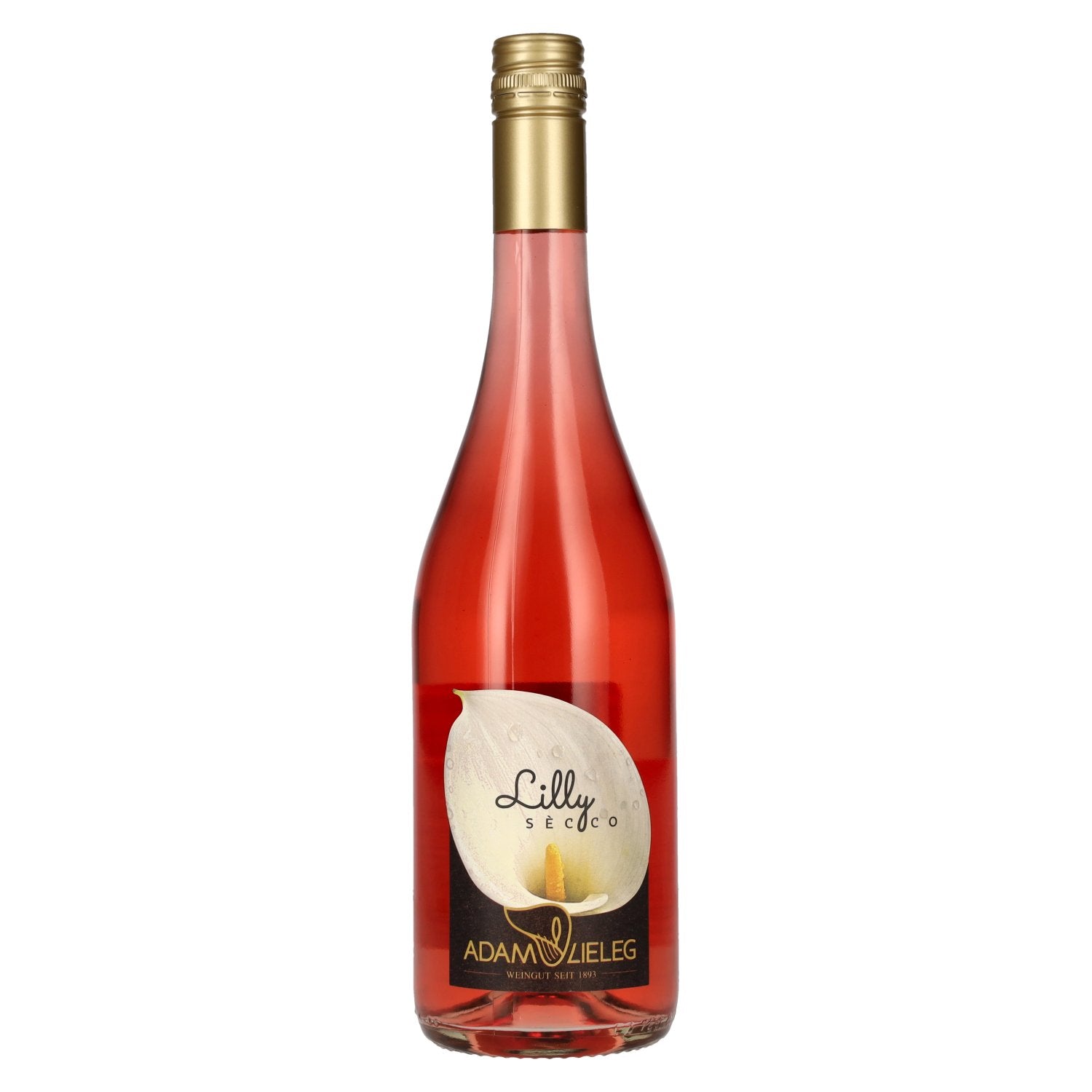
Adam-Lieleg Lilly Secco
-
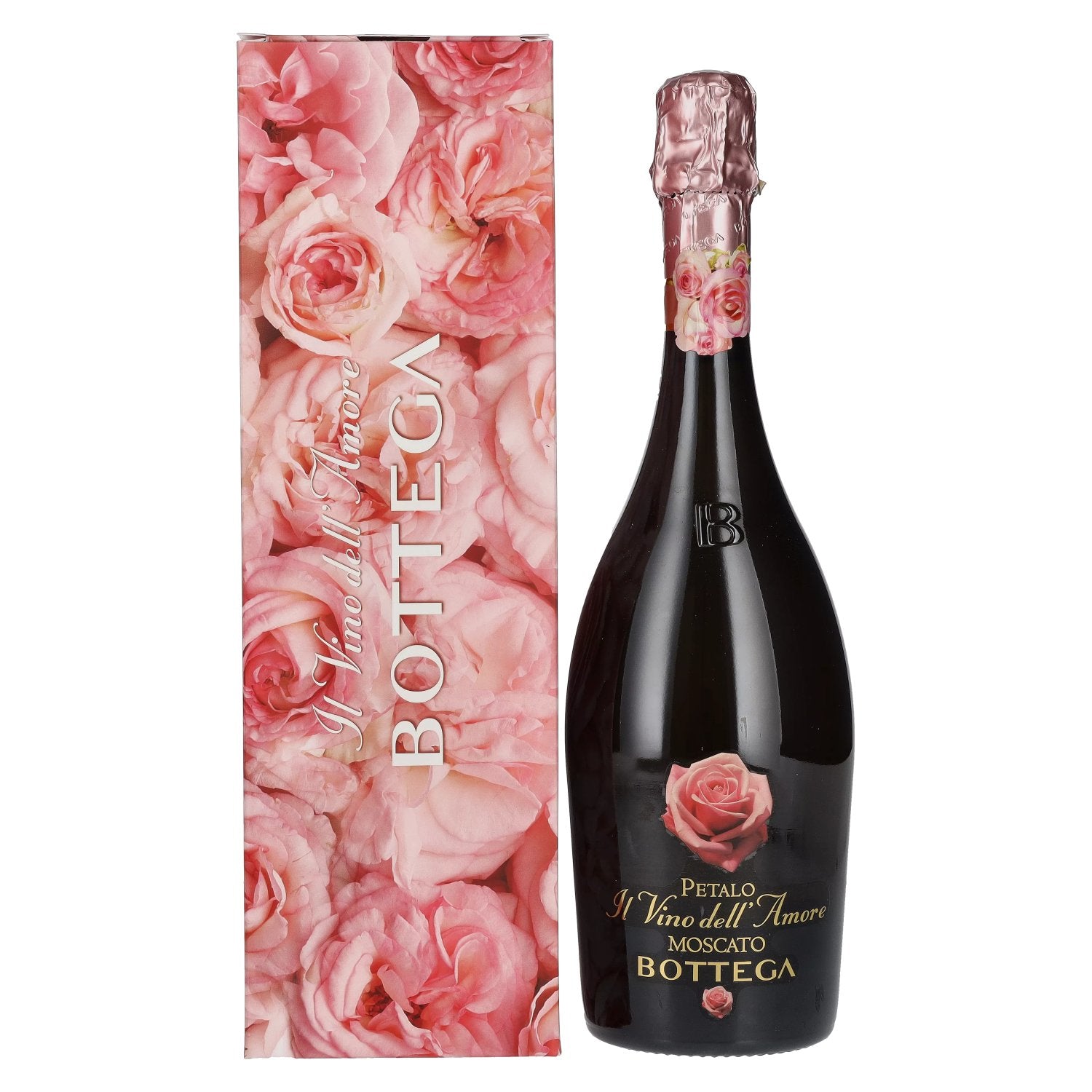
Bottega Petalo Moscato Il Vino dell’Amore
-
Katlenburger Sparkling Pink Grapefruit
-
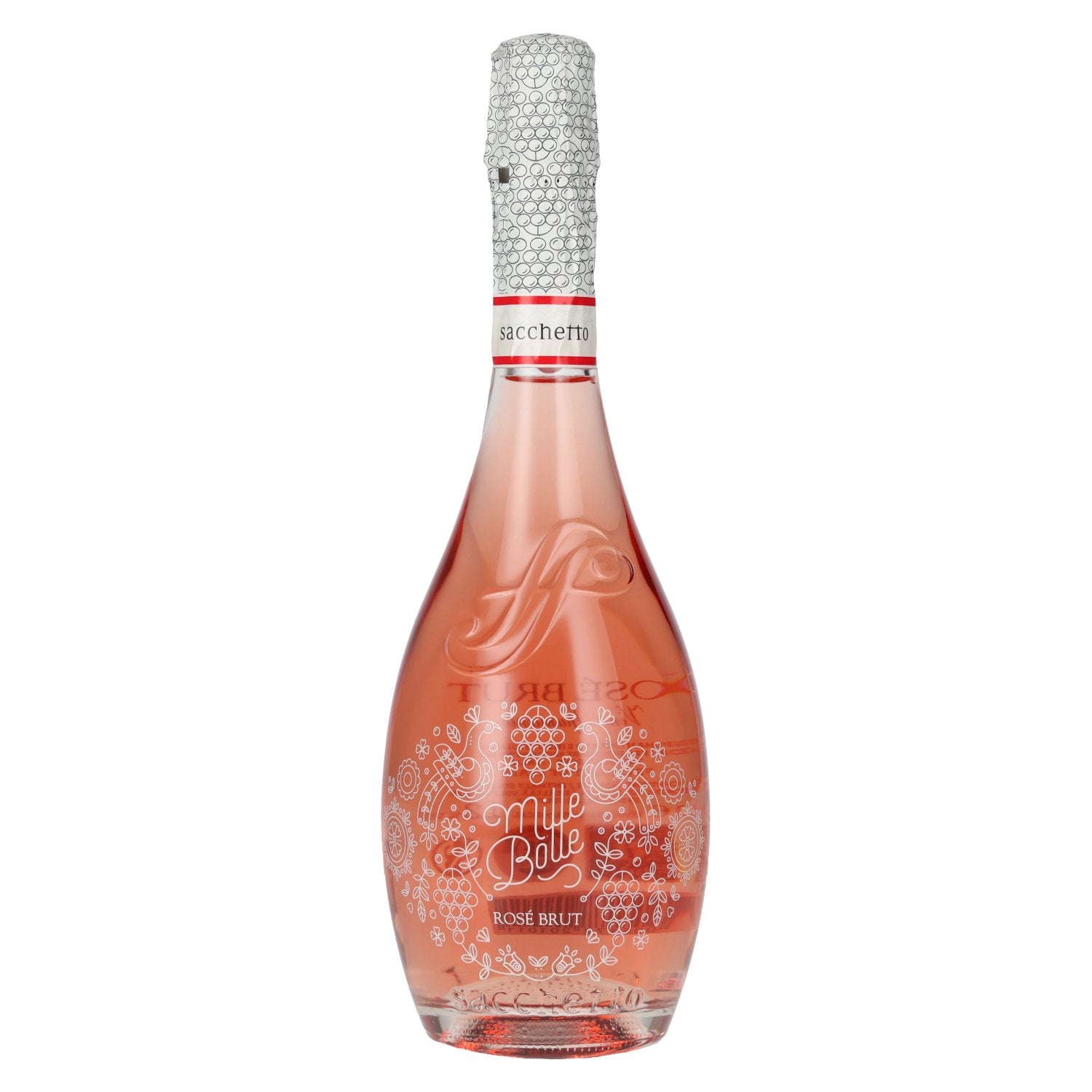
Sacchetto Mille Bolle Rosé Brut
Together they show four distinct directions:
fresh Secco → sweet Moscato → sparkling fruit wine → dry Rosé Brut
For visual inspiration, bottle styling and sparkling-wine ideas, explore the Champagne, Sparkling Wine & Celebration Bottles Pinterest board.
Quick Guide: Which Sparkling Style Should You Choose?
| Bottle | Category / Style | Flavor Direction | Choose It If... |
|---|---|---|---|
| Adam-Lieleg Lilly Secco | Austrian Secco | Fresh, lively, easy-drinking | You want relaxed aperitif bubbles |
| Bottega Petalo Moscato | Moscato Spumante Dolce | Floral, peach, apricot, sweet | You enjoy aromatic sweet sparkling wine |
| Katlenburger Pink Grapefruit | Sparkling Fruit Wine | Grapefruit, bright fruit, refreshing | You want something fruit-forward and playful |
| Sacchetto Mille Bolle Rosé Brut | Rosato Brut Vino Spumante | Red berries, flowers, dry finish | You prefer dry pink bubbles with food |
The simplest buying rule is:
Fresh → Adam-Lieleg
Sweet → Bottega
Fruity → Katlenburger
Dry → Sacchetto
Secco, Moscato, Fruit Wine & Spumante: What Is the Difference?
These terms describe genuinely different styles.
Secco is commonly used for fresh, accessible sparkling or lightly sparkling wines, particularly in German-speaking markets.
Moscato refers to aromatic Muscat-family grapes, famous for floral, peachy and often sweet wines.
Spumante is the Italian term for fully sparkling wine.
Sparkling fruit wine may be based on fruit other than traditional wine grapes.
Champagne is different again: it is a geographically protected sparkling wine from Champagne, France.
For this comparison, however, the key distinction is not prestige or geography.
It is taste.
1. Adam-Lieleg Lilly Secco — Fresh & Easy-Drinking
Adam-Lieleg Lilly Secco represents the freshest and most relaxed style in this comparison.
It comes from Weingut Adam-Lieleg in South Styria, Austria, a family winery whose history dates back to 1893 and which is now run in its fifth generation.
The winery places Lilly Secco within its Prickelndes, or sparkling, range.
Unlike sweet Moscato or richer rosé sparkling wine, the appeal here is simplicity:
freshness + bubbles + easy aperitif drinking
What Kind of Drinker Will Like Lilly Secco?
Choose it if you usually enjoy:
-
light sparkling wine;
-
easy aperitifs;
-
fresh rather than sweet flavors;
-
outdoor wine;
-
simple food pairings.
It is an uncomplicated entry point into sparkling wine without moving into dessert-style sweetness.
How to Serve It
Serve well chilled.
Good glass choices include:
-
white wine glass;
-
tulip-shaped sparkling glass;
-
flute.
A white wine glass can be especially useful for casual serving because it allows more aroma to develop.
What to Pair with Lilly Secco
Try it with:
-
fresh cheese;
-
prosciutto;
-
crostini;
-
smoked salmon;
-
light salads;
-
vegetable tartlets;
-
strawberries;
-
salty appetizers.
When Does It Work Best?
Lilly Secco works naturally as:
-
a welcome drink;
-
garden-party sparkling wine;
-
brunch aperitif;
-
rooftop drink;
-
casual birthday bottle;
-
warm-weather starter.
The important point is style:
this is the bottle for fresh, easy bubbles rather than obvious sweetness or heavy food pairing.
Start with Austrian Secco when you want a relaxed sparkling style made for aperitif hour, garden tables and easy entertaining.
Shop Adam-Lieleg Lilly Secco at MyDrinx
2. Bottega Petalo Moscato Il Vino dell’Amore — Sweet, Floral & Aromatic

Bottega Petalo Moscato Il Vino dell’Amore sits at the opposite end of the sweetness spectrum.
Bottega officially classifies Petalo as Moscato Spumante Dolce.
That means it is a sweet sparkling Moscato, not Prosecco.
The producer describes the wine around aromatic and floral characteristics associated with Moscato, including:
-
rose;
-
peach;
-
apricot;
-
citrus;
-
intense floral notes.
Bottega lists residual sugar at approximately 90–95 g/L, making the sweetness intentional and central to the style.
Important: Moscato Is Not Prosecco
This distinction matters.
Prosecco and Moscato come from different grape traditions and generally offer different flavor profiles.
Petalo is not trying to deliver a dry, crisp aperitif experience.
It is built around:
aroma + fruit + flowers + sweetness
That is why it makes more sense with dessert or for drinkers who already know they prefer sweeter sparkling wine.
How to Serve Bottega Petalo
Bottega recommends serving Petalo well chilled, around 5–6°C.
Use:
-
small white wine glass;
-
tulip sparkling glass;
-
flute;
-
coupe for decorative party service.
Best Food Pairings
Try it with:
-
strawberry cake;
-
fruit tart;
-
panna cotta;
-
peach desserts;
-
macarons;
-
pastries;
-
berries;
-
sweet cheese pairings.
Because the wine is sweet, pairing it with equally delicate or sweet food usually works better than forcing it beside strongly savory dishes.
Best for Romantic Gifting
The Il Vino dell’Amore — The Wine of Love identity gives Petalo an obvious gifting role.
The MyDrinx version also comes in a gift box, making this the strongest presentation-focused bottle in this comparison.
Who Should Choose It?
Choose Bottega Petalo if you want:
sweetness + flowers + peach + romantic presentation.
Choose aromatic Italian Moscato when you want bubbles that are unmistakably sweet, floral and gift-ready.
Shop Bottega Petalo Moscato Il Vino dell’Amore at MyDrinx
3. Katlenburger Sparkling Pink Grapefruit — Fruit First, Wine Second

Katlenburger Sparkling Pink Grapefruit belongs to a different category from the grape-based sparkling wines around it.
Katlenburger is a German producer specializing in fruit wines and fruit-based sparkling drinks.
The company dates back to 1925 and has built its identity around fruit rather than relying exclusively on conventional wine grapes.
That is why Pink Grapefruit is better understood as a sparkling fruit wine rather than a traditional grape sparkling wine such as Champagne, Prosecco or Spumante.
What Does Pink Grapefruit Taste Like?
The bottle is centered on:
grapefruit + freshness + fruit + bubbles
The flavor idea is direct and easy to understand.
Compared with Bottega Petalo, it is less floral and more citrus-led.
Compared with Sacchetto Rosé Brut, it is much more obviously fruit-driven.
Why Choose Sparkling Fruit Wine?
Choose it when you want something:
-
brighter;
-
more playful;
-
more overtly fruity;
-
less traditional than classic sparkling wine.
It can be particularly appealing to drinkers who enjoy:
-
spritzes;
-
fruit cocktails;
-
radler-style drinks;
-
grapefruit mixers;
-
sweeter summer drinks.
How to Serve It
Serve thoroughly chilled.
Good options include:
-
wine glass;
-
large spritz glass;
-
flute.
A thin grapefruit slice can reinforce the profile visually without overwhelming the drink.
Best Food Pairings
Try it with:
-
goat cheese;
-
salads;
-
grilled chicken;
-
shrimp;
-
fruit plates;
-
brunch pastries;
-
salty snacks;
-
picnic food.
Best Occasion
Katlenburger fits naturally into:
-
summer parties;
-
brunch;
-
poolside tables;
-
picnics;
-
girls’ weekends;
-
BBQs;
-
casual outdoor gatherings.
Who Should Choose It?
Choose Katlenburger if you want:
fruit and bubbles first, traditional wine structure second.
Bring bright grapefruit character to the table with a German sparkling fruit wine made for easy, colorful summer drinking.
Shop Katlenburger Sparkling Pink Grapefruit at MyDrinx
4. Sacchetto Mille Bolle Rosé Brut — Dry, Food-Friendly & Elegant

Sacchetto Mille Bolle Rosé Brut takes the comparison back toward classic sparkling wine.
Sacchetto officially classifies it as:
Rosato Brut Vino Spumante
and uses:
-
Pinot Nero;
-
Merlot;
-
Raboso.
The official technical information describes:
-
bright pink color;
-
berry aromas;
-
rose;
-
violet;
-
fresh savory character;
-
fine perlage.
Most importantly for this comparison, it is Brut.
That puts it much closer to a dry sparkling style than Bottega Petalo Moscato.
How Dry Is Sacchetto Mille Bolle?
The producer lists approximately 9–11 g/L residual sugar.
Compare that with Bottega Petalo’s roughly 90–95 g/L.
That difference explains why two attractive sparkling bottles can taste almost opposite.
How to Serve It
Sacchetto recommends approximately:
7–9°C
Use:
-
tulip-shaped sparkling wine glass;
-
white wine glass;
-
flute.
A slightly wider glass can help the berry and floral aromas show more clearly.
What Does It Taste Like?
Think:
red berries + flowers + freshness + fine bubbles + dry finish
This is the bottle in the group that moves most naturally from aperitif into food.
Best Food Pairings
Sacchetto recommends it with:
-
appetizers;
-
first courses;
-
white meat;
-
grilled fish.
It also works well with:
-
seafood;
-
sushi;
-
salmon;
-
antipasti;
-
chicken;
-
summer salads;
-
mild cheese.
Recognition
Sacchetto’s official technical material lists a Decanter Bronze Medal in 2022, alongside earlier international recognition.
One credible award is enough to support the bottle without turning the section into an awards list.
Who Should Choose It?
Choose Mille Bolle Rosé Brut if you want:
pink sparkling wine without obvious sweetness.
Choose Italian Rosé Brut when you want red berries, fine bubbles and a dry style that can stay on the table with dinner.
Shop Sacchetto Mille Bolle Rosé Brut at MyDrinx
Secco vs Moscato: Which Is Better for You?
These two styles may both be sparkling, but they serve different tastes.
Choose Adam-Lieleg Lilly Secco If You Want
-
freshness;
-
lighter aperitif drinking;
-
less obvious sweetness;
-
savory snacks;
-
easy entertaining.
Choose Bottega Petalo Moscato If You Want
-
sweetness;
-
floral aroma;
-
peach and apricot;
-
dessert;
-
romantic presentation.
The easiest distinction:
Secco = fresh and easy
Moscato = sweet and aromatic
Moscato vs Rosé Brut: Sweet or Dry?
This is one of the most useful comparisons in the article.
Both Bottega Petalo and Sacchetto Mille Bolle can look elegant and celebratory.
Their taste profiles are dramatically different.
Bottega Petalo Moscato
Official residual sugar:
approximately 90–95 g/L
Expect:
-
flowers;
-
peach;
-
apricot;
-
sweetness;
-
dessert-friendly character.
Sacchetto Mille Bolle Rosé Brut
Official residual sugar:
approximately 9–11 g/L
Expect:
-
berries;
-
rose;
-
fine bubbles;
-
freshness;
-
much drier finish.
The practical buying rule is simple:
Dessert & sweetness → Moscato
Aperitif & food → Rosé Brut
Sparkling Fruit Wine vs Rosé Brut
Pink color can be misleading.
Katlenburger Pink Grapefruit and Sacchetto Mille Bolle Rosé may both fit a pink-themed table, but they belong to very different styles.
Katlenburger Pink Grapefruit
The fruit drives the bottle.
Think:
grapefruit + freshness + easy summer drinking
Sacchetto Rosé Brut
The wine structure drives the bottle.
Think:
berries + grapes + dryness + food pairing
Choose Katlenburger when you want overt fruit.
Choose Sacchetto when you want a more traditional sparkling-wine experience.
Four Bottles, Four Different Sparkling Styles
You do not need four similar sparkling wines on one table.
Build contrast instead.
Fresh
Adam-Lieleg Lilly Secco
Best for aperitif and relaxed drinking.
Sweet
Bottega Petalo Moscato
Best for dessert and aromatic sparkling-wine drinkers.
Fruity
Katlenburger Pink Grapefruit
Best for summer refreshment and fruit-forward tastes.
Dry
Sacchetto Mille Bolle Rosé Brut
Best for food and traditional sparkling-wine drinkers.
This is more useful than ranking them from first to fourth.
Each bottle solves a different drinking preference.
Which Sparkling Style Is Best for Brunch?
That depends on the food.
Sweet Brunch
Choose Bottega Petalo Moscato with pastries, fruit and desserts.
Fruity Brunch
Choose Katlenburger Pink Grapefruit.
Savory Brunch
Choose Sacchetto Mille Bolle Rosé Brut.
Welcome Glass
Choose Adam-Lieleg Lilly Secco.
Matching the bottle to the table is more useful than automatically reaching for the same sparkling wine every time.
Which Bottle Makes the Best Gift?
For presentation:
Bottega Petalo Moscato
has the clearest advantage.
The gift-box presentation and Il Vino dell’Amore identity make its purpose immediately understandable.
But recipient preference still matters.
For someone who dislikes sweet wine:
Sacchetto Mille Bolle Rosé Brut
is likely to be the better actual bottle.
A good wine gift should match the recipient’s taste rather than simply having attractive packaging.
Which Sparkling Style Works Best with Food?
Among these four:
Sacchetto Mille Bolle Rosé Brut
has the widest traditional food-pairing role.
Its drier style works from aperitif into:
-
seafood;
-
fish;
-
chicken;
-
antipasti;
-
first courses.
Adam-Lieleg Lilly Secco
works best with lighter appetizers.
Katlenburger Pink Grapefruit
fits fresh summer food and brunch.
Bottega Petalo
is better with dessert or sweet pairings.
Build a Four-Style Sparkling Tasting
These bottles make an interesting at-home tasting because their differences are large enough to notice without specialist wine knowledge.
Pour small amounts rather than full glasses.
Try this order:
Adam-Lieleg Lilly Secco → Sacchetto Mille Bolle Rosé Brut → Katlenburger Pink Grapefruit → Bottega Petalo Moscato
This moves broadly from:
fresh → dry → fruity → sweet
Compare:
-
sweetness;
-
acidity;
-
fruit;
-
floral aroma;
-
bubbles;
-
finish.
Keep water nearby and taste each bottle before adding food.
At the end, ask:
Which would I serve before dinner?
Which would I pair with dessert?
Which would I buy for brunch?
Which would I gift?
Pinterest: Four Sparkling Styles, Four Visual Stories
The Champagne, Sparkling Wine & Celebration Bottles Pinterest board is a natural place to turn these four styles into visual comparison content.
Adam-Lieleg Lilly Secco — Fresh
Visual direction:
-
Austrian garden;
-
wildflowers;
-
chilled glass;
-
linen;
-
afternoon light.
Pin idea: Fresh Austrian Secco Explained
Bottega Petalo — Sweet
Visual direction:
-
rose petals;
-
peaches;
-
gift box;
-
dessert;
-
soft romantic styling.
Pin idea: Sweet Moscato vs Dry Sparkling Wine
Katlenburger Pink Grapefruit — Fruity
Visual direction:
-
grapefruit;
-
pink-orange sunset;
-
ice bucket;
-
summer table;
-
colorful glassware.
Pin idea: What Is Sparkling Fruit Wine?
Sacchetto Mille Bolle Rosé Brut — Dry
Visual direction:
-
pale pink wine;
-
antipasti;
-
seafood;
-
Italian terrace;
-
fine bubbles.
Pin idea: Rosé Brut for Dry Sparkling Wine Lovers
Comparison Pin
Place all four bottles together.
Headline:
4 BUBBLY STYLES. WHICH ONE IS YOURS?
Subline:
SECCO / MOSCATO / FRUIT / ROSÉ BRUT
That makes the pin useful even before someone clicks through to the article.
Explore More Champagne & Sparkling Wine at MyDrinx
This guide focuses specifically on style differences.
If you are shopping primarily by occasion, presentation or prestige, explore the broader Champagne & Sparkling Wine Celebration Bottles guide.
That guide covers statement and prestige bottles, while this page helps answer:
Which sparkling style do I actually want to drink?
You can also browse the full Sparkling Wine Collection at MyDrinx to compare more bottles by sweetness, origin and style.
FAQ: Sparkling Wine Styles
Is every sparkling wine Champagne?
No. Champagne is a protected geographical designation from Champagne, France. Secco, Moscato, Italian Spumante and sparkling fruit wines belong to other categories and traditions.
Is Bottega Petalo Moscato Prosecco?
No. Bottega officially classifies Petalo as Moscato Spumante Dolce — a sweet sparkling Moscato.
What is the difference between Moscato and Brut sparkling wine?
Moscato Petalo is intentionally sweet and highly aromatic, while Sacchetto Mille Bolle Brut has much lower residual sugar and a drier, more food-friendly profile.
How sweet is Bottega Petalo Moscato?
Bottega lists approximately 90–95 g/L residual sugar, placing it firmly in a sweet sparkling style.
Is Sacchetto Mille Bolle Rosé sweet?
It is classified as Brut and contains approximately 9–11 g/L residual sugar, making it considerably drier than Bottega Petalo Moscato.
What is sparkling fruit wine?
Sparkling fruit wine is made from fruit-based wine rather than relying exclusively on conventional wine grapes. Katlenburger specializes in this category.
Is Katlenburger Pink Grapefruit a traditional grape sparkling wine?
It is better understood as a sparkling fruit wine, with grapefruit and fruit character at the center of the style.
How cold should Sacchetto Mille Bolle Rosé Brut be served?
Sacchetto recommends approximately 7–9°C.
Which sparkling style is best with dessert?
Choose Bottega Petalo Moscato for the sweetest and most aromatic dessert-friendly style in this group.
Which sparkling style is best for someone who prefers dry wine?
Choose Sacchetto Mille Bolle Rosé Brut.
Choose Sparkling Wine by Style, Not Just by Label
Four sparkling bottles can look equally festive while tasting almost nothing alike.
Choose Adam-Lieleg Lilly Secco for fresh, easy bubbles.
Choose Bottega Petalo Moscato for flowers, peach and obvious sweetness.
Choose Katlenburger Pink Grapefruit when fruit is the main attraction.
Choose Sacchetto Mille Bolle Rosé Brut when you want dry pink sparkling wine that works naturally with food.
The real spectrum is:
fresh → dry → fruity → sweet
Once you understand where your own preferences fall, choosing sparkling wine becomes much easier.
For more bottle inspiration, sparkling-wine styling and visual comparisons, explore the Champagne, Sparkling Wine & Celebration Bottles Pinterest board.
Sources & Further Reading
-
Weingut Adam-Lieleg — Official Winery — South Styria producer information, history and sparkling range.
-
Bottega — Petalo Moscato — official classification, tasting profile, sweetness and serving guidance.
-
Katlenburger Kellerei — Official Website — official information on Katlenburger’s fruit-wine tradition.
-
Sacchetto — Mille Bolle Rosé Brut — official grapes, residual sugar, tasting notes, service temperature and food pairings.