
After a good dinner, the right drink can do more than close the meal — it can change the whole mood of the evening. That is where digestifs come in. Bitter, herbal, warming, aromatic, sweet, spicy, or deeply botanical, digestifs are drinks traditionally served after food, often in small pours, to create a slow and memorable finish.
From Italian amaro to Hungarian herbal liqueurs, Latvian balsams, Croatian pelinkovac, German herbal miniatures, and tea-based Slovak liqueurs, the digestif world is full of bottles with history, personality, and bold flavor. Some are dark and intense. Some are citrusy and refreshing. Others feel almost medicinal in the best old-European way.
If you are building a home bar, planning a dinner party, or looking for something more interesting than another whiskey or sweet dessert liqueur, digestifs are one of the most underrated categories to explore.
What Is a Digestif?
A digestif is a drink usually served after a meal. The word comes from the idea of “digestion,” but today it is less about function and more about ritual. A digestif signals that dinner is finished, conversation can slow down, and the table can move into a more relaxed, intimate mood.
Digestifs can include brandy, cognac, grappa, amaro, herbal liqueurs, bitters, balsams, fortified wines, and even some strong tea or coffee-based liqueurs. What connects them is not one exact flavor, but the way they are enjoyed: slowly, after food, usually in a small glass.
The most iconic digestifs often have a bittersweet or herbal profile. They may include roots, bark, spices, flowers, citrus peel, berries, mountain herbs, tea, or secret botanical blends. This complexity makes them especially good after rich meals, cheese boards, roasted meats, chocolate desserts, or long dinners with friends.
Amaro, Herbal Liqueur and Balsam: What Is the Difference?
The terms often overlap, but each one has its own identity.
Amaro is the Italian word for “bitter.” It usually refers to Italian bitter herbal liqueurs made with botanicals, citrus peel, spices, roots, and sugar. Some are intensely bitter, while others are softer, sweeter, and more orange-forward.
Herbal liqueur is a broader category. It can come from Germany, Hungary, Croatia, Slovakia, France, the Baltics, the Balkans, or almost anywhere in Europe. These drinks are usually made with herbs, roots, spices, and aromatic plants, but they are not always as bitter as amaro.
Balsam usually refers to a dark, intense herbal spirit or liqueur, especially from the Baltic region. Balsams are often bold, warming, earthy, and complex, with a strong old-world character.
In simple terms: all three can work as digestifs, but amaro is usually associated with Italy, herbal liqueur is the wider family, and balsam is often darker, stronger, and more mysterious.
Why Digestifs Are Perfect for a Home Bar
A good digestif is one of the easiest ways to make your home bar feel more sophisticated. You do not need a complicated cocktail setup. In many cases, the best serve is also the simplest: chilled, neat, over ice, or with a small twist of citrus.
Digestifs are also excellent conversation bottles. Many of them come with long histories, secret recipes, regional traditions, and unusual flavor profiles. They are not just drinks — they are small cultural stories in a glass.
They also pair beautifully with food. A bitter herbal liqueur can balance a heavy dinner. A dark balsam can work with chocolate or spiced desserts. A tea liqueur can feel natural after cake, nuts, dried fruit, or winter sweets. A small herbal miniature can be the perfect ending after a long meal without feeling too heavy.
Best Digestif Styles to Try
1. Classic Herbal Bitters
Classic herbal bitters are bold, aromatic, and bittersweet. They are often made with a large number of herbs, roots, and spices, creating a layered flavor that feels intense but elegant.
A great example is Zwack Unicum, a Hungarian herbal liqueur known for its deep, bitter, botanical character. It is the kind of bottle that immediately gives a home bar a more European after-dinner feel. Serve it chilled in a small glass after roasted meat, rich stews, or a traditional dinner.
2. Dark Balsams
Balsams are for people who like intense, old-world flavors. They often taste earthy, spicy, warming, and slightly medicinal, with a long finish. They are not shy drinks, and that is exactly why they are so memorable.
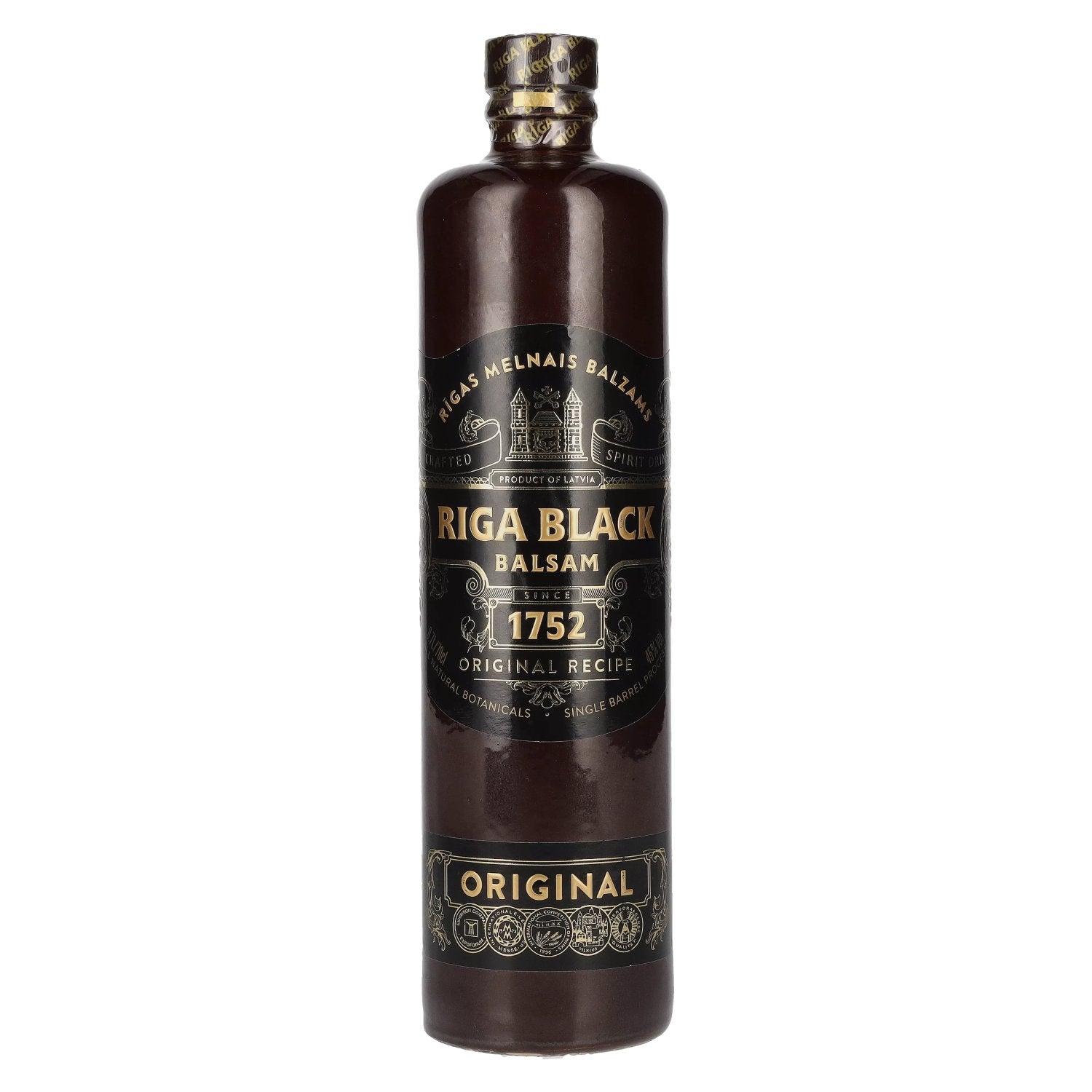
Riga Black Balsam 1752 Original Recipe is a perfect example of this style. It brings together herbal bitterness, dark spice, and Baltic character in a bottle that feels made for cold evenings, after-dinner sipping, or pairing with dark chocolate.
Try it neat, over ice, or mixed with blackcurrant juice, tonic, or even coffee for a deeper after-dinner serve.
3. Balkan Herbal Liqueurs
The Balkans have a rich tradition of herbal liqueurs, often built around bitter herbs, mountain botanicals, and regional recipes. These bottles are excellent for anyone who wants something less common than Italian amaro but still deeply connected to European drinking culture.
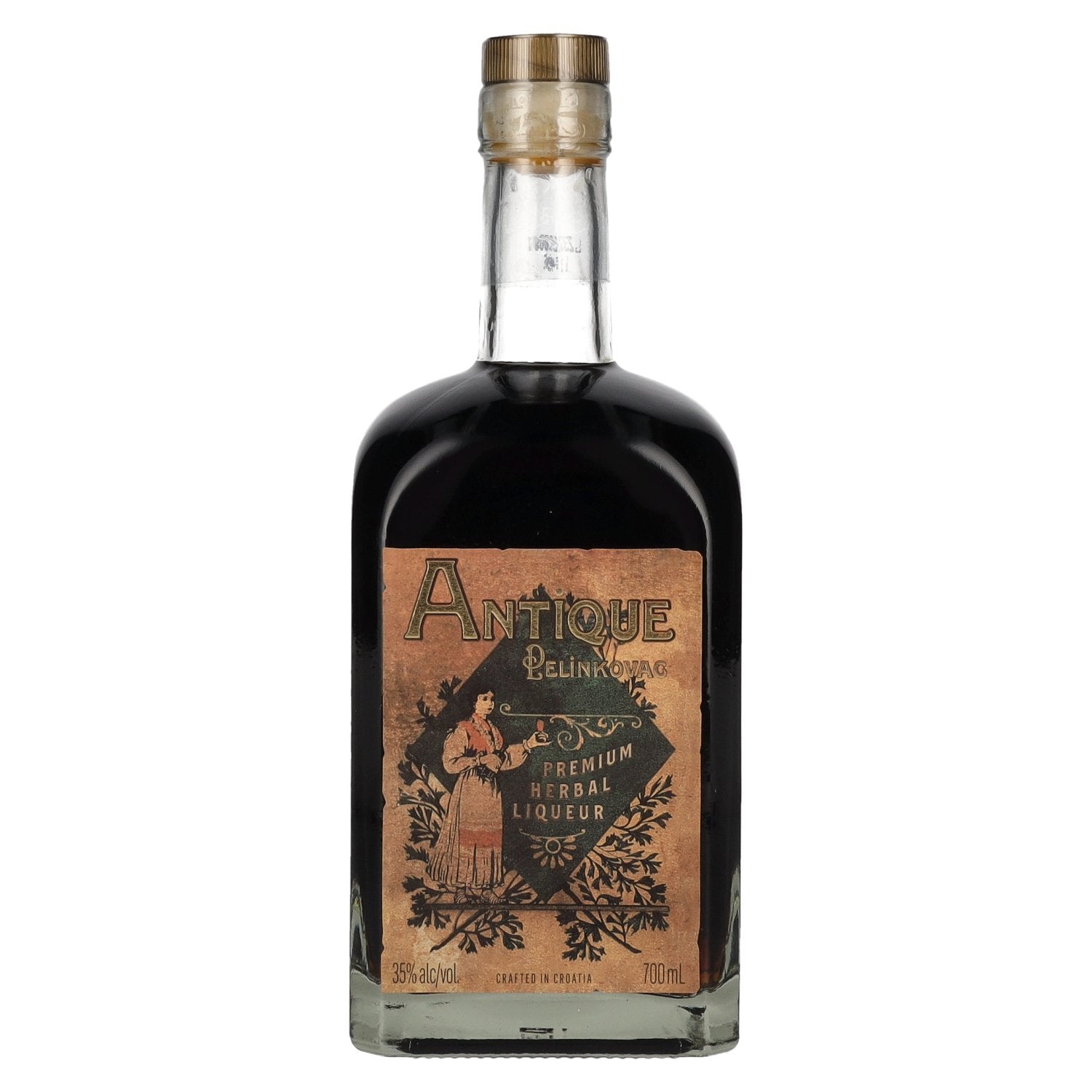
Badel Antique Pelinkovac Premium Herbal Liqueur is a Croatian herbal liqueur with a complex botanical profile. It works beautifully as a chilled digestif, especially after grilled meat, charcuterie, aged cheese, or a long Mediterranean-style dinner.
Its balance of bitterness, herbs, and subtle sweetness makes it approachable enough for curious beginners, while still interesting for people who already love herbal liqueurs.
4. Small-Serve Digestifs
Some digestifs are designed for small, precise pours. This makes them ideal after a heavy dinner, during travel, or as a fun addition to a tasting board.
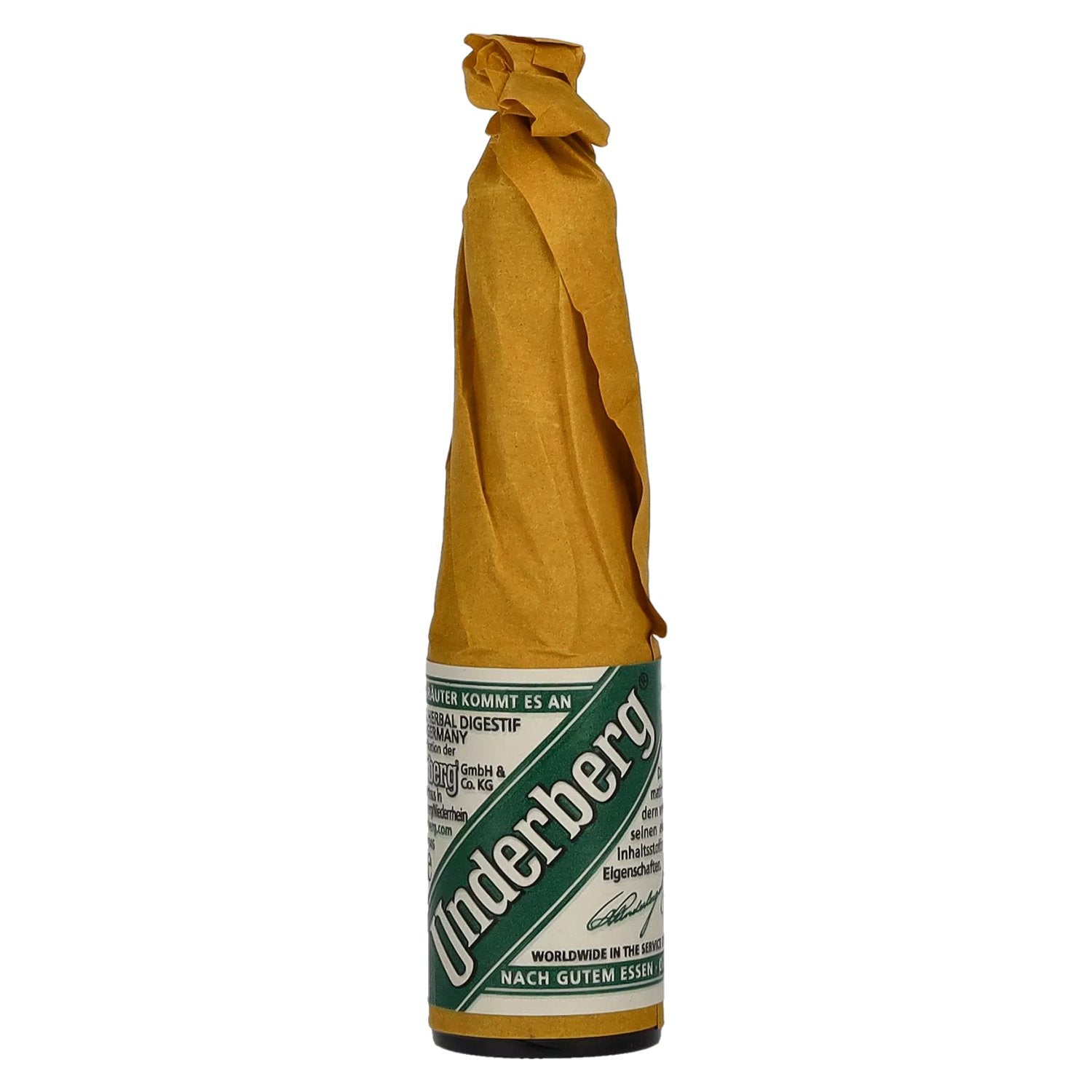
Underberg Natural Herbal Digestif is one of the most recognizable examples. The small bottles make the serving ritual part of the experience. It is intense, herbal, compact, and perfect when you want just a small after-dinner moment rather than a full glass.
Serve it very cold and straight from the miniature bottle, or pour it into a tiny digestif glass for a more elegant table presentation.
5. Tea-Based Herbal Liqueurs
Tea liqueurs are a fascinating bridge between dessert drinks, herbal digestifs, and after-dinner sipping. They can be strong, aromatic, warming, and slightly sweet, with a flavor profile that feels natural after pastries, fruit desserts, nuts, or spiced cakes.
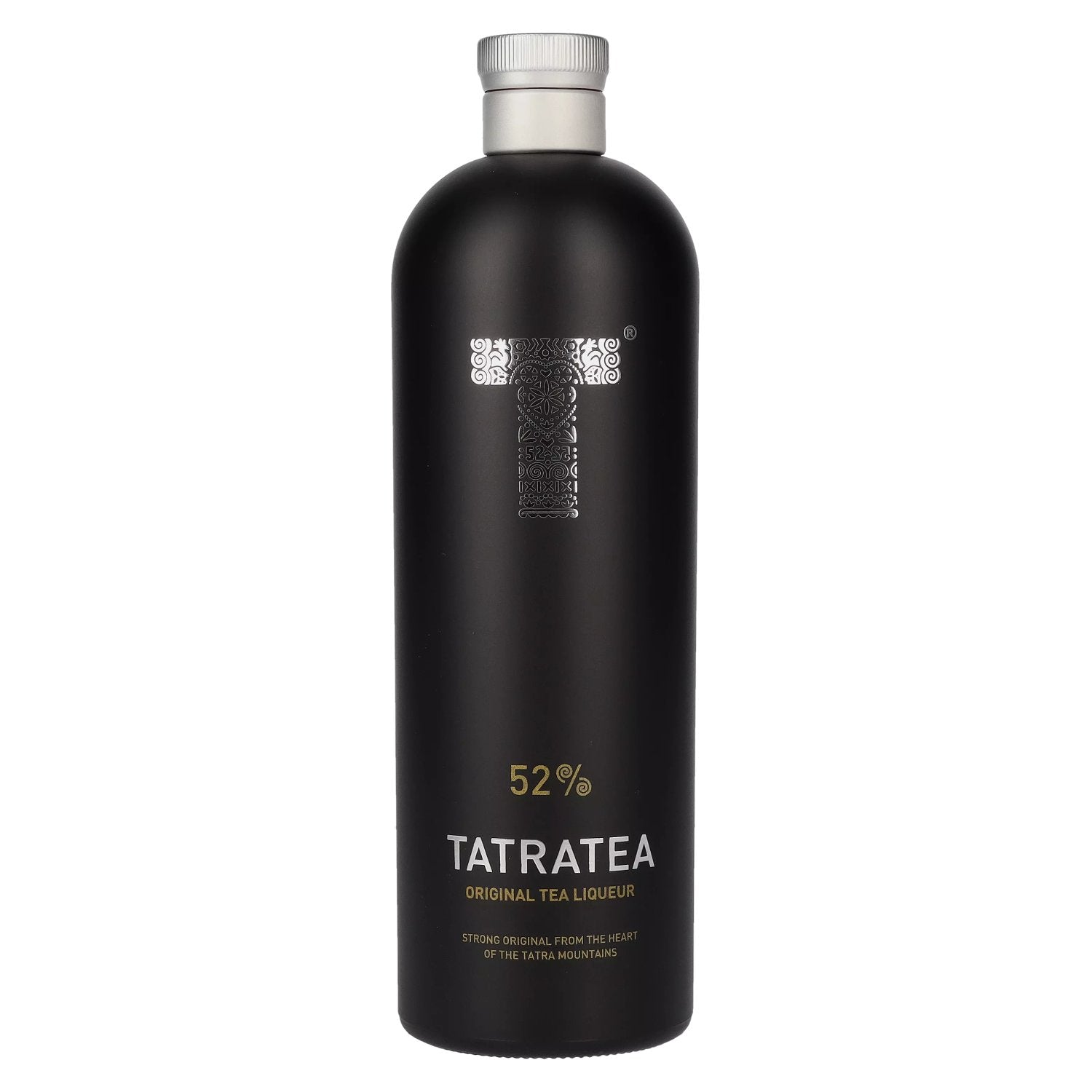
TATRATEA Original Tea Liqueur is a Slovak tea-based liqueur with a bold personality. It combines tea, herbs, spices, and mountain-inspired character, making it a strong choice for people who want something different from classic amaro or fruit liqueur.
Try it neat in a small glass, over ice, or added carefully to hot tea for a warming after-dinner drink.
How to Serve Digestifs
The best way to serve a digestif depends on the bottle, but the rule is simple: keep it small and intentional.
Serve bitter herbal liqueurs chilled in a small glass. Dark balsams can be served neat, over ice, or with a mixer such as tonic, blackcurrant juice, or ginger ale. Tea liqueurs work well neat, chilled, or in warm drinks. If the flavor is very intense, start with a small pour and let the drink open slowly.
For dinner parties, place one or two digestif bottles on the table after dessert. Add small glasses, citrus peel, ice, and maybe a bowl of dark chocolate or dried fruit. It instantly creates a more thoughtful ending to the evening.
Food Pairing Ideas for Digestifs
Digestifs are especially good with rich, dark, salty, or sweet flavors.
Pair herbal bitters with roasted meats, grilled vegetables, aged cheese, or charcuterie. Serve dark balsams with dark chocolate, gingerbread, blackcurrant desserts, or spiced cakes. Try Balkan herbal liqueurs after grilled meats, sausages, or salty snacks. Tea liqueurs work beautifully with pastries, honey desserts, nuts, dried fruit, or simple butter cookies.
The goal is not to overpower the food, but to create contrast. Bitterness can balance sweetness. Herbs can refresh the palate. Spice can echo dessert flavors. A good digestif makes the final course feel more complete.
Digestifs for Cocktails
Although many digestifs are best served neat, they can also add depth to cocktails. A small amount of herbal liqueur can make a spritz more complex, add bitterness to a highball, or bring structure to a sour-style drink.
Try a simple herbal spritz with a bitter liqueur, sparkling wine, soda, and orange. Mix a dark balsam with tonic and citrus for a refreshing but grown-up highball. Add a tea liqueur to hot tea, lemon, and honey for a winter-style after-dinner drink.
Digestifs are powerful, so use them carefully. A small measure can completely change the drink.
Which Digestif Should You Choose First?
If you like bold, bitter, classic herbal flavors, start with Zwack Unicum. If you want something dark, strong, and mysterious, choose Riga Black Balsam. If you want a Croatian bottle with regional character, try Badel Antique Pelinkovac. If you prefer small ritual servings, Underberg is a fun and iconic choice. If you want something aromatic, strong, and tea-based, TATRATEA Original is a great discovery.
The best digestif is the one that fits the meal, the mood, and the people around the table. Some are elegant. Some are intense. Some are unusual. But all of them bring one thing that every good dinner deserves: a memorable final sip.
Featured Digestifs to Explore
Final Sip
Digestifs are one of the most characterful categories in the world of spirits. They are not designed for rushing. They are made for slow endings, long conversations, and the kind of table moments people remember.
Whether you choose an Italian-style bitter, a Hungarian herbal liqueur, a Latvian balsam, a Croatian pelinkovac, a German miniature digestif, or a Slovak tea liqueur, the idea is the same: pour less, taste more, and let the evening finish beautifully.