
Choosing Champagne becomes much easier once you understand what the words on the label actually mean.
Brut, Vintage, Non-Vintage, Blanc de Blancs, Blanc de Noirs, Rosé — these are not decorative terms. They tell you something about sweetness, grapes, production and style.
And one distinction matters before everything else:
not every sparkling wine is Champagne.
Champagne is a protected wine from the Champagne region of France, produced under specific appellation rules. Italian Spumante, Asti DOCG, flavored wine drinks and sparkling fruit wines may all have bubbles, but they belong to different categories.
This guide explains how to choose real Champagne, how to read the label, how to serve it correctly and how to choose the right bottle as a gift.
We will also compare one authentic Champagne with four very different sparkling alternatives from MyDrinx:
-
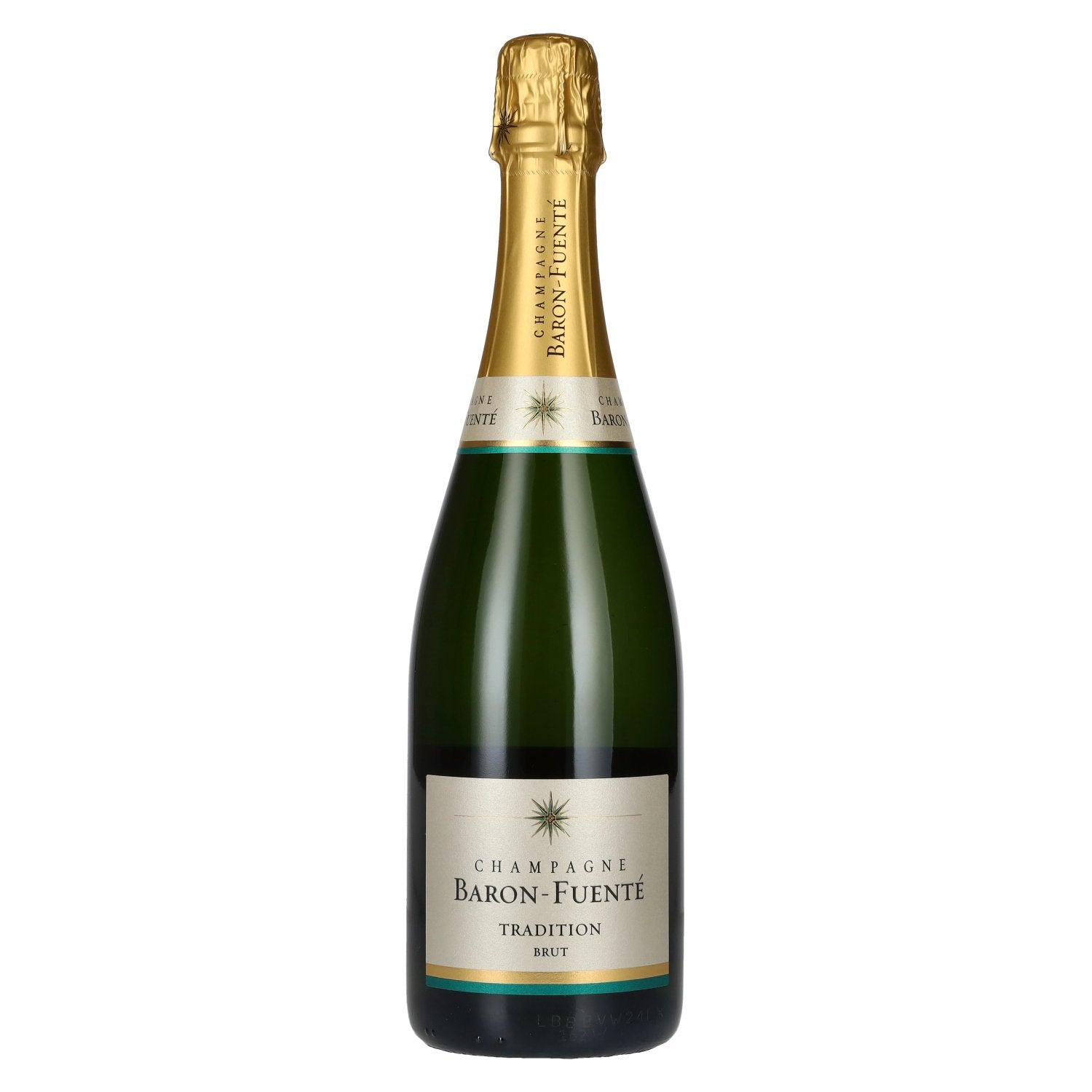
Baron-Fuenté Tradition Brut Champagne
-
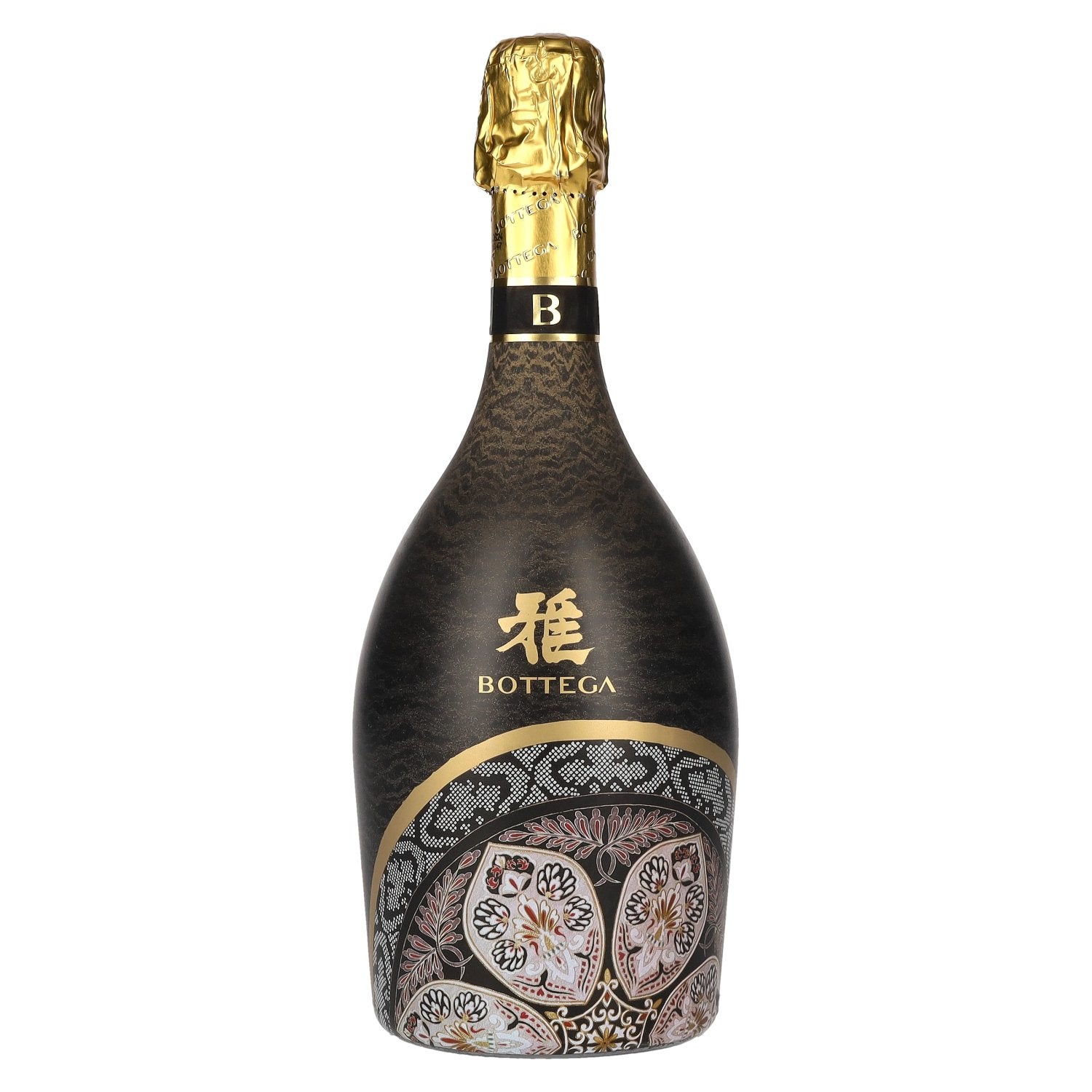
Bottega MIABI Pinot Nero Spumante Brut
-
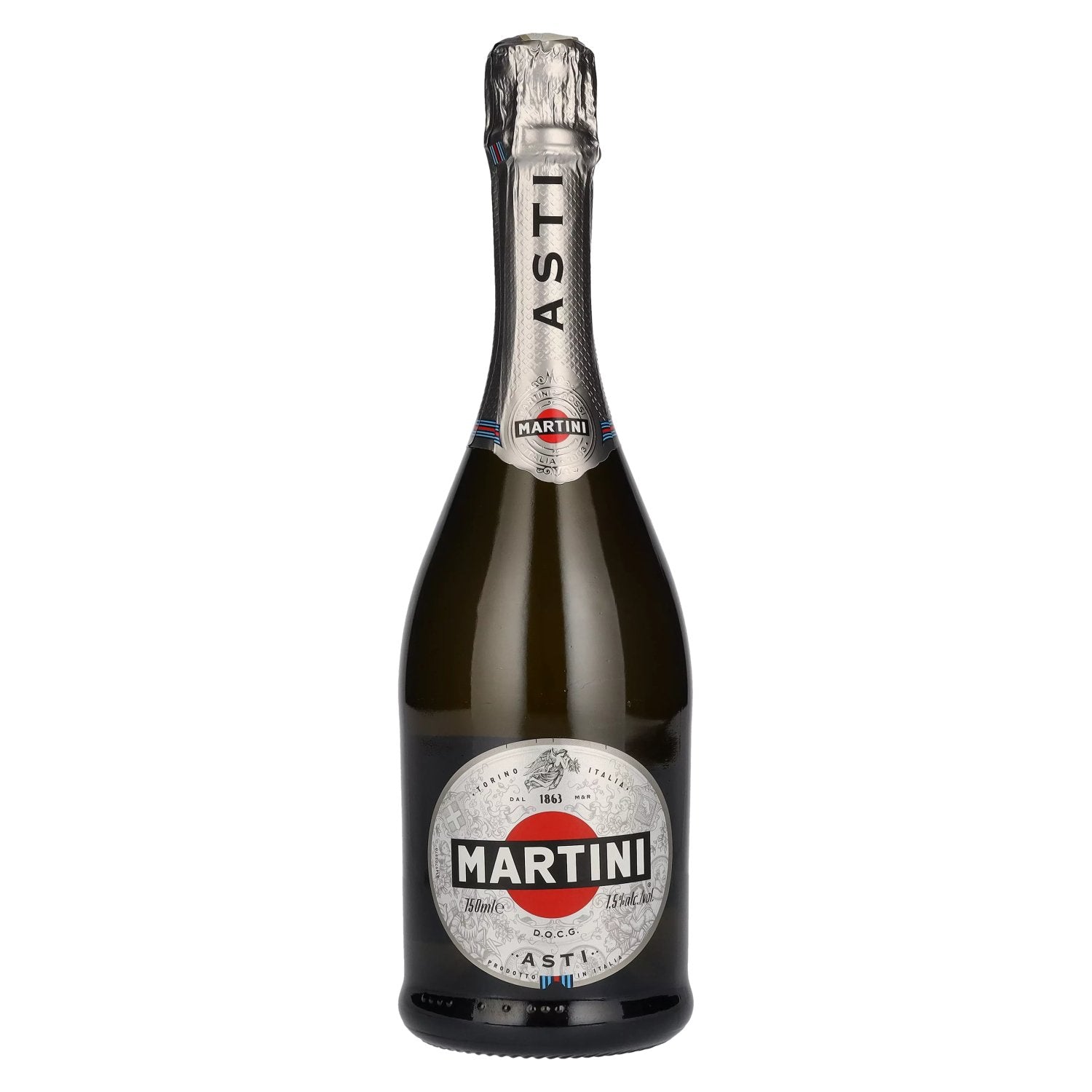
Martini Asti DOCG
-
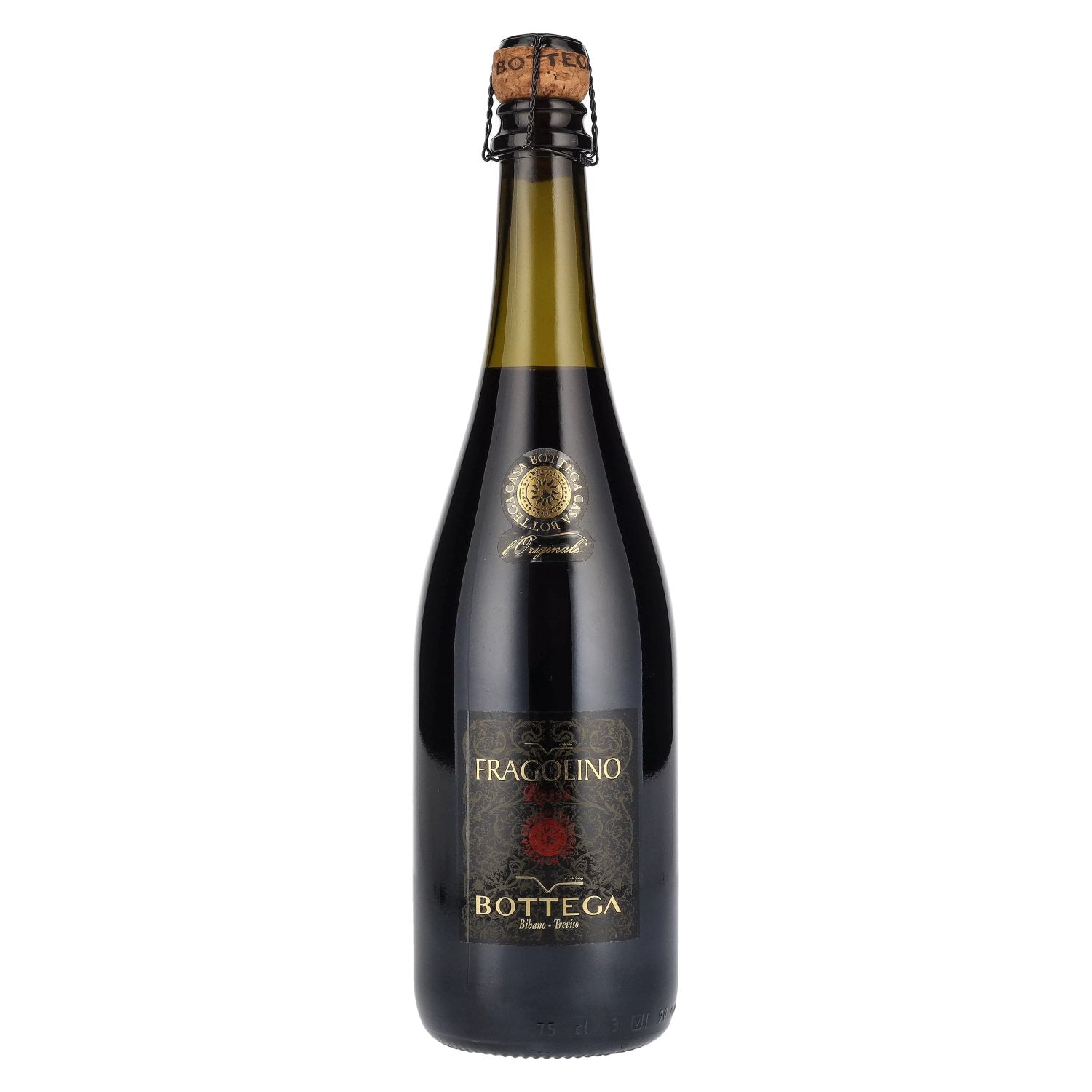
Bottega Fragolino Rosso
-
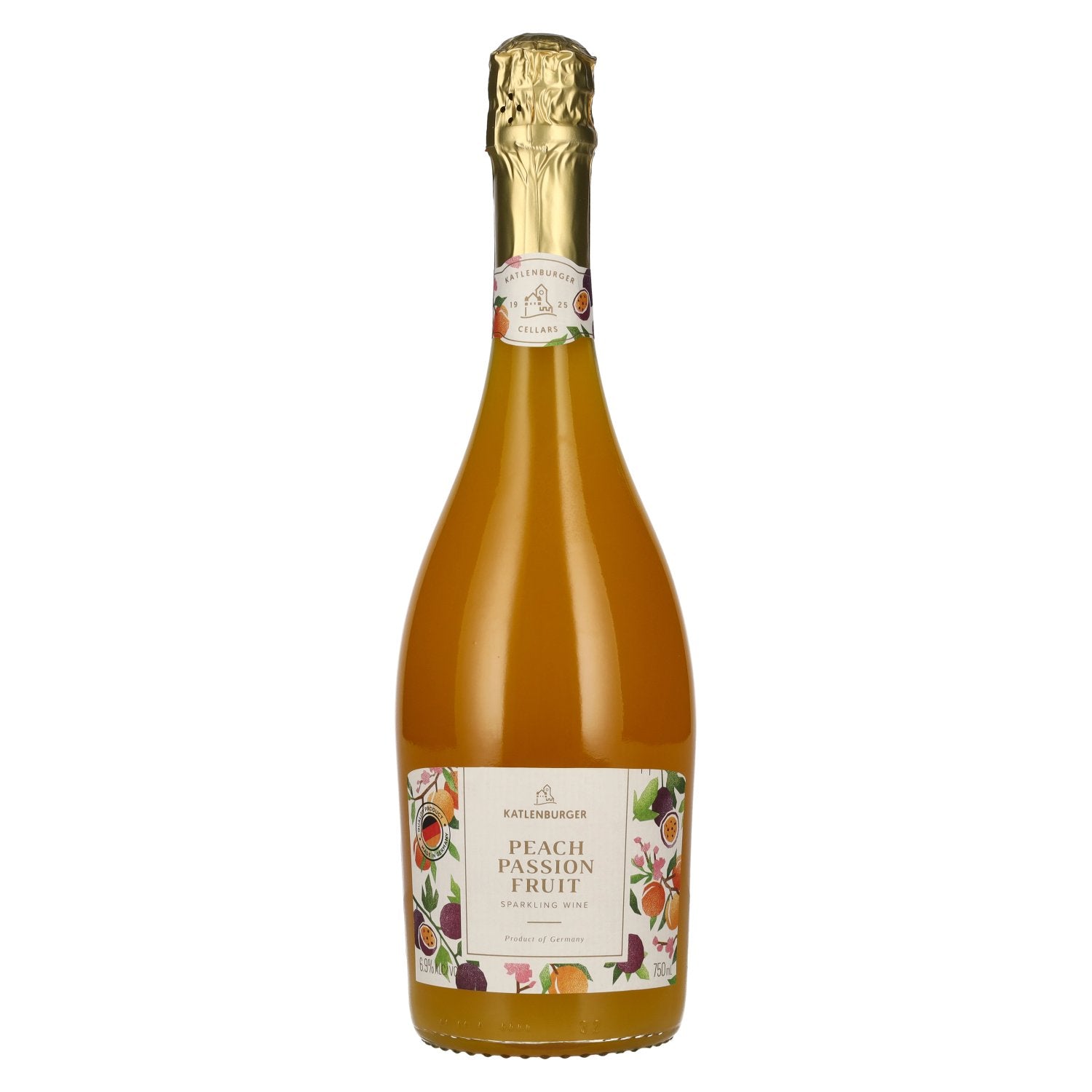
Katlenburger Sparkling Peach & Passion Fruit
The goal is simple:
buy the bottle that matches the drinker — not just the occasion.
Quick Guide: Which Bottle Should You Choose?
| Bottle | Category | Taste Direction | Best For |
|---|---|---|---|
| Baron-Fuenté Tradition Brut | Champagne Brut | Dry, balanced, brioche, fruit | Champagne gifts, aperitif, formal dinners |
| Bottega MIABI | Pinot Nero Spumante Brut | Dry, structured, yellow fruit, almond | Italian sparkling wine, sushi, design-led gifts |
| Martini Asti DOCG | Moscato-based Asti DOCG | Sweet, peachy, aromatic | Moscato fans, desserts, sweeter palates |
| Bottega Fragolino Rosso | Flavored wine-based drink | Sweet, wild strawberry, lively | Strawberry lovers, desserts |
| Katlenburger Peach & Passion Fruit | Sparkling fruit wine | Sweet, peach, passion fruit | Tropical fruit fans, casual occasions |
The simplest choice:
Authentic Champagne → Baron-Fuenté
Dry Italian alternative → Bottega MIABI
Sweet Moscato → Martini Asti
Wild strawberry → Bottega Fragolino
Tropical fruit → Katlenburger
What Makes Champagne Champagne?
Champagne is not a generic term for wine with bubbles.
The name is protected by the Champagne Appellation d’Origine Contrôlée and can only be used for wines that meet the geographical and production requirements of the Champagne region in France.
The Comité Champagne actively protects the designation internationally.
Champagne production is built around several permitted grape varieties, with three accounting for the vast majority of plantings:
-
Chardonnay
-
Pinot Noir
-
Meunier
The bubbles are created through a second fermentation in the bottle, followed by ageing on the lees.
Non-vintage Champagne must meet a minimum maturation period before release, while vintage Champagne requires longer ageing.
For the official explanation of the designation and production rules, see the Comité Champagne.
How to Read a Champagne Label Before You Buy
This is the most useful skill when choosing Champagne.
Instead of choosing only by brand or packaging, look for the style terms.
Non-Vintage Champagne
Most Champagne sold worldwide is Non-Vintage, sometimes shown as NV.
It is usually blended from wines from more than one harvest year to create a consistent house style.
Best for:
-
first-time Champagne buyers;
-
dinner parties;
-
gifts when you do not know the recipient's exact preferences;
-
aperitif;
-
versatile food pairing.
A good Non-Vintage Brut is often the safest starting point.
Vintage Champagne
Vintage Champagne comes from grapes harvested in a single declared year.
Producers generally declare a vintage when they believe the harvest deserves to be presented independently rather than blended across years.
Vintage Champagne also receives longer mandatory ageing.
Best for:
-
milestone birthdays;
-
anniversaries;
-
collectors;
-
people interested in a particular harvest year;
-
more serious Champagne gifts.
Vintage does not automatically mean “better” for every drinker, but it usually offers a more specific story.
Blanc de Blancs
Blanc de Blancs literally means white from whites.
In Champagne, it indicates Champagne made exclusively from white grapes. Chardonnay is overwhelmingly the grape most commonly associated with the style.
Blanc de Blancs often appeals to drinkers looking for:
-
freshness;
-
citrus;
-
finesse;
-
mineral character;
-
lighter structure.
Best for:
seafood, oysters, sushi and recipients who enjoy elegant, precise sparkling wine.
Blanc de Noirs
Blanc de Noirs means white from blacks.
It is made from permitted dark-skinned grapes such as Pinot Noir and/or Meunier while producing a white wine.
These Champagnes can feel:
-
fuller;
-
broader;
-
fruitier;
-
more structured.
Best for:
richer appetizers, poultry, charcuterie and drinkers who prefer more body.
Rosé Champagne
Rosé Champagne combines Champagne structure with additional color and often more obvious red-fruit character.
Depending on production style, you may find:
-
strawberry;
-
raspberry;
-
cherry;
-
floral notes;
-
richer fruit.
Best for:
romantic gifts, dinners, salmon, tuna, charcuterie and anyone who already enjoys rosé wine.
Brut Nature, Extra Brut, Brut and Demi-Sec: What Does Dosage Mean?
The sweetness category on a Champagne label is one of the most important buying clues.
After disgorgement, Champagne may receive a dosage that influences the final sweetness level.
A simplified scale:
Brut Nature → extremely dry
Extra Brut → very dry
Brut → dry and highly versatile
Extra Dry → slightly sweeter despite the name
Sec → noticeably sweeter
Demi-Sec → sweet
Doux → sweetest category
For Champagne specifically, Brut contains less than 12 g/L of sugar.
If you are buying for someone who usually drinks dry wine, Brut is usually the safest choice.
If the recipient enjoys sweeter sparkling wine or dessert pairings, Demi-Sec may be more appropriate.
See the official sweetness definitions at the Comité Champagne.
Best Example: Baron-Fuenté Tradition Brut Champagne
Among the five bottles in this guide, Baron-Fuenté Tradition Brut is the one that is actual Champagne.
Champagne Baron-Fuenté is based in Charly-sur-Marne in the Vallée de la Marne.
Its Tradition Brut is particularly useful as a real-world example of how to read a Champagne specification.
The official technical sheet lists:
-
70% Meunier
-
30% Chardonnay
-
5 g/L dosage
-
2 years in the cellars
-
service at 8–10°C
That 5 g/L dosage puts it comfortably within Brut territory while keeping the wine distinctly dry.
See the official Baron-Fuenté Tradition Brut technical sheet
What Does Baron-Fuenté Tradition Brut Taste Like?
The house describes:
-
fine bubbles;
-
brioche;
-
candied fruit;
-
ripe fruit;
-
honey;
-
soft, supple texture;
-
balanced finish.
Meunier plays the leading role here, giving the cuvée a strong connection to the Vallée de la Marne.
A Recent Award
Baron-Fuenté announced that Tradition Brut received a Gold Medal at the Berliner Wine Trophy 2026.
That is a useful current recognition, but the better reason to choose the bottle is still its style:
Meunier-led + Brut + balanced + versatile.
How to Serve It
Serve at approximately:
8–10°C
Use:
-
a tulip-shaped Champagne glass;
-
a quality sparkling-wine glass;
-
or a white-wine glass with enough room for aroma.
Avoid serving it extremely cold, as excessive chilling can mute aroma.
Food Pairing
Baron-Fuenté itself positions Tradition Brut as an excellent aperitif.
It also works naturally with:
-
oysters;
-
shellfish;
-
smoked salmon;
-
sushi;
-
light poultry;
-
mild cheese;
-
elegant appetizers.
Who Should Choose It?
Choose Baron-Fuenté if you want:
-
genuine Champagne;
-
a versatile Brut;
-
a Meunier-led Vallée de la Marne style;
-
a formal gift;
-
something suitable for both aperitif and food.
Choose authentic Champagne when origin, tradition and dry Brut style are part of what makes the gift special.
Shop Baron-Fuenté Tradition Brut Champagne at MyDrinx
How to Choose Champagne as a Gift
The safest Champagne gift depends on how much you know about the recipient.
If You Know Almost Nothing About Their Taste
Choose:
Non-Vintage Brut
It is the most versatile style and works across many occasions.
If They Like Very Dry Wine
Look for:
Brut Nature
or
Extra Brut
These styles keep sweetness extremely restrained.
If They Like Chardonnay and Finesse
Look for:
Blanc de Blancs
If They Like Fuller, Richer Wine
Look for:
Blanc de Noirs
If You Want Something More Romantic or Visually Distinctive
Choose:
Rosé Champagne
If the Gift Is Connected to a Specific Year
Consider:
Vintage Champagne
provided the relevant vintage exists and fits your budget.
If They Prefer Sweet Wine
Traditional Brut Champagne may not actually be the best gift.
Consider a sweeter Champagne category such as Demi-Sec — or choose a different sparkling style such as Asti.
The goal is not to buy the most prestigious label.
It is to buy something the recipient will want to drink.
How to Serve Champagne Properly
Serving Champagne correctly improves both aroma and texture.
Champagne Serving Temperature
The Comité Champagne recommends serving Champagne at approximately:
8–10°C
Too warm and the wine may feel less fresh.
Too cold and you can suppress aroma and flavor.
How to Chill Champagne
You can chill a bottle:
-
in an ice bucket containing both ice and water for around 20–30 minutes;
-
or in the lower section of a refrigerator for several hours.
Do not freeze Champagne.
Which Glass Is Best for Champagne?
A tall tulip-shaped glass is one of the best choices.
It combines:
-
enough width for aromas to develop;
-
a narrower rim to concentrate aroma;
-
enough height for the bubbles.
Traditional narrow flutes preserve bubbles well but offer less aromatic space.
Broad coupes look dramatic but allow aroma and carbonation to escape more quickly.
How to Open Champagne Safely
Do not aim the bottle at anyone.
Keep one hand firmly over the cork.
Remove the foil and loosen the wire cage while maintaining control of the cork.
Then:
hold the cork and rotate the bottle slowly.
The pressure should release gradually.
A controlled sigh is better than launching the cork across the room.
How to Pour Champagne
Pour a small amount first.
Allow the initial foam to settle.
Then continue the pour.
A glass filled around two-thirds leaves enough space for aroma.
How Many Glasses Are in a Bottle of Champagne?
A standard 750ml bottle provides approximately:
six 125ml servings
That makes planning straightforward.
2 guests → generous pours
4 guests → toast plus additional wine
6 guests → around one standard serving each
For a full dinner rather than just a toast, plan more generously.
Champagne vs Sparkling Wine: Know What You Are Buying
These five bottles show why the terminology matters.
| Bottle | What It Actually Is |
|---|---|
| Baron-Fuenté Tradition Brut | French Champagne Brut |
| Bottega MIABI | Italian Pinot Nero Spumante Brut |
| Martini Asti | Italian Moscato-based Asti DOCG |
| Bottega Fragolino Rosso | Flavored wine-based drink |
| Katlenburger Peach & Passion Fruit | Sparkling fruit wine |
They can all have a place at a celebration.
They are not the same category.
For a deeper comparison of Secco, Moscato, fruit wine and Rosé Brut, read our Sparkling Wine Styles Explained guide.
Sparkling Alternative #1: Bottega MIABI Pinot Nero Spumante Brut
If you want dry bubbles but do not specifically need Champagne, Bottega MIABI is an interesting Italian alternative.
It is a Pinot Nero Spumante Brut produced using the long Charmat method.
Bottega describes:
-
fine persistent bubbles;
-
bread-crust and yeast notes;
-
flowers;
-
yellow fruit;
-
balanced acidity;
-
sweet almond on the finish.
Its published sugar level of approximately 4–8 g/L keeps it firmly in a dry style.
Why Choose It Instead of Champagne?
Choose MIABI if the recipient prefers:
-
dry sparkling wine;
-
Italian wine;
-
distinctive bottle design;
-
Pinot Nero;
-
something less conventional than a standard Champagne gift.
Bottega recommends serving it at approximately 4–5°C, with foods including seafood, sushi, fish, risotto and white meat.
Choose MIABI when you want refined dry Italian bubbles and distinctive design rather than Champagne appellation.
Shop Bottega MIABI Pinot Nero Spumante Brut at MyDrinx
Sparkling Alternative #2: Martini Asti DOCG
Martini Asti DOCG is for a completely different palate.
Made from Moscato Bianco, Asti is aromatic and noticeably sweeter than Brut Champagne.
Martini highlights flavors including:
-
peach;
-
pear;
-
pineapple;
-
sage.
Who Should Choose Asti?
Choose it for someone who likes:
-
Moscato;
-
sweet sparkling wine;
-
ripe orchard fruit;
-
dessert;
-
softer, more aromatic bubbles.
This is an important gifting lesson:
someone who dislikes dry wine may genuinely prefer Asti to Champagne.
Pair it with fruit desserts, pastries, panna cotta or ripe fruit.
Choose Martini Asti when Moscato aroma and sweetness matter more than Champagne-style dryness.
Shop Martini Asti DOCG at MyDrinx
Sparkling Alternative #3: Bottega Fragolino Rosso
Bottega Fragolino Rosso goes even further toward fruit.
Bottega classifies it as a flavored wine-based drink, not Champagne.
Its defining flavor is:
wild strawberry.
The profile is sweet, fresh and lively, with intense strawberry character.
Bottega recommends serving it at approximately 6–8°C.
Who Should Choose Fragolino?
Choose it for:
-
strawberry lovers;
-
sweet-wine drinkers;
-
dessert;
-
people who prefer obvious fruit flavor over traditional wine structure.
It works particularly well with berry desserts, pastries and cake.
Choose Fragolino when the recipient wants strawberries and sweetness rather than classic Brut structure.
Shop Bottega Fragolino Rosso at MyDrinx
Sparkling Alternative #4: Katlenburger Peach & Passion Fruit
Katlenburger Sparkling Peach & Passion Fruit is not conventional grape sparkling wine.
Katlenburger specializes in fruit wine.
The producer describes this sparkling style around:
velvety peach + tangy passion fruit.
Who Should Choose It?
Choose Katlenburger for someone who prefers:
-
peach;
-
passion fruit;
-
fruit cocktails;
-
sweeter drinks;
-
tropical flavors;
-
sparkling fruit wine rather than traditional wine.
Serve thoroughly chilled.
Choose Katlenburger when fruit is supposed to be the main flavor, not simply a background note in the wine.
Shop Katlenburger Sparkling Peach & Passion Fruit at MyDrinx
How to Choose Between Champagne and a Sparkling Alternative
Start with one question:
Does the recipient specifically want Champagne?
If yes:
choose real Champagne such as Baron-Fuenté Tradition Brut.
If not, consider their flavor preferences.
Dry & Traditional
Baron-Fuenté Tradition Brut
Dry & Italian
Bottega MIABI
Sweet & Aromatic
Martini Asti
Sweet & Strawberry-Led
Bottega Fragolino
Sweet & Tropical
Katlenburger Peach & Passion Fruit
The word “sparkling” does not tell you enough.
Flavor preference does.
Is More Expensive Champagne Always the Better Gift?
No.
Price can reflect:
-
producer reputation;
-
vineyard sourcing;
-
ageing;
-
vintage;
-
scarcity;
-
bottle format;
-
packaging.
But price cannot tell you whether the recipient likes dry Champagne.
A carefully chosen bottle of Asti may be a better gift for a Moscato lover than an expensive Brut they will never enjoy.
Similarly, someone who explicitly loves Champagne heritage may appreciate a genuine French bottle far more than a decorative sparkling wine.
The right gift is the bottle that matches the drinker.
Browse More Champagne at MyDrinx
If this guide has helped you identify the style you want, the next step is to compare actual bottles.
Browse the full Champagne Collection at MyDrinx for more French Champagne producers, styles and presentation options.
For broader sparkling-wine education, explore Sparkling Wine Styles Explained.
For special-occasion presentation and statement bottles, see the MyDrinx Champagne & Sparkling Wine Celebration Bottles guide.
The content roles are different:
This guide → how to understand and choose Champagne
Sparkling Styles → how different sparkling categories compare
Celebration Bottles → presentation and occasion
FAQ: Choosing, Serving and Gifting Champagne
Is every sparkling wine Champagne?
No. Champagne is a protected appellation tied to the Champagne region of France and its production rules.
Which bottle in this guide is actual Champagne?
Baron-Fuenté Tradition Brut.
The other four are different sparkling or wine-based categories.
What is the safest Champagne to buy as a gift?
A Non-Vintage Brut is usually the most versatile starting point if you do not know the recipient's precise preferences.
What is the difference between vintage and non-vintage Champagne?
Vintage Champagne comes from grapes from one declared harvest year.
Non-vintage Champagne may blend wines from multiple harvests to maintain a consistent house style.
What does Blanc de Blancs mean?
It means white Champagne made from white grapes. Chardonnay is the grape most commonly associated with the style.
What does Blanc de Noirs mean?
It means white Champagne produced from dark-skinned permitted grapes such as Pinot Noir and/or Meunier.
What does Brut mean?
Brut describes a dry Champagne sweetness category containing less than 12 g/L of sugar.
What temperature should Champagne be served?
Approximately 8–10°C.
What glass should I use for Champagne?
A tulip-shaped Champagne or sparkling-wine glass offers a good balance between preserving bubbles and allowing aroma to develop.
Is Martini Asti Champagne?
No. Martini Asti is Italian Asti DOCG made from Moscato Bianco.
Is Bottega MIABI Champagne?
No. It is Italian Pinot Nero Spumante Brut.
Is Bottega Fragolino Champagne?
No. Bottega classifies Fragolino Rosso as a flavored wine-based drink.
Is Katlenburger Peach & Passion Fruit Champagne?
No. It belongs to Katlenburger's sparkling fruit-wine range.
What should I buy for someone who dislikes dry Champagne?
Consider Martini Asti for sweet Moscato character, Fragolino for strawberry flavor or Katlenburger for tropical fruit.
Choose Champagne with Confidence
Choosing Champagne does not require memorizing every producer or vintage.
Start with the label.
Decide:
Vintage or Non-Vintage?
Blanc de Blancs, Blanc de Noirs or Rosé?
Brut Nature, Brut or sweeter?
Then think about the person who will drink it.
For a versatile authentic Champagne, Baron-Fuenté Tradition Brut offers a Meunier-led Vallée de la Marne expression with Brut dosage and classic Champagne structure.
If genuine Champagne is not actually what the recipient wants, choose a sparkling alternative according to taste:
Bottega MIABI for dry Italian bubbles.
Martini Asti for aromatic Moscato sweetness.
Bottega Fragolino for wild strawberry.
Katlenburger for peach and passion fruit.
The perfect bottle is not simply the one with the most prestigious name.
It is the one whose style, sweetness and story fit the person opening it.